
Can Transport Vehicles Cross Water Safely?
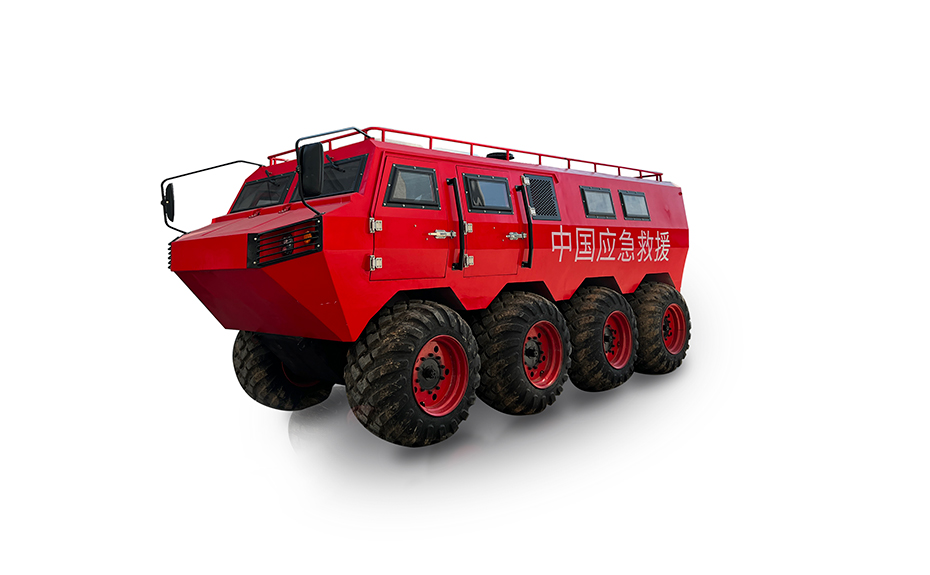
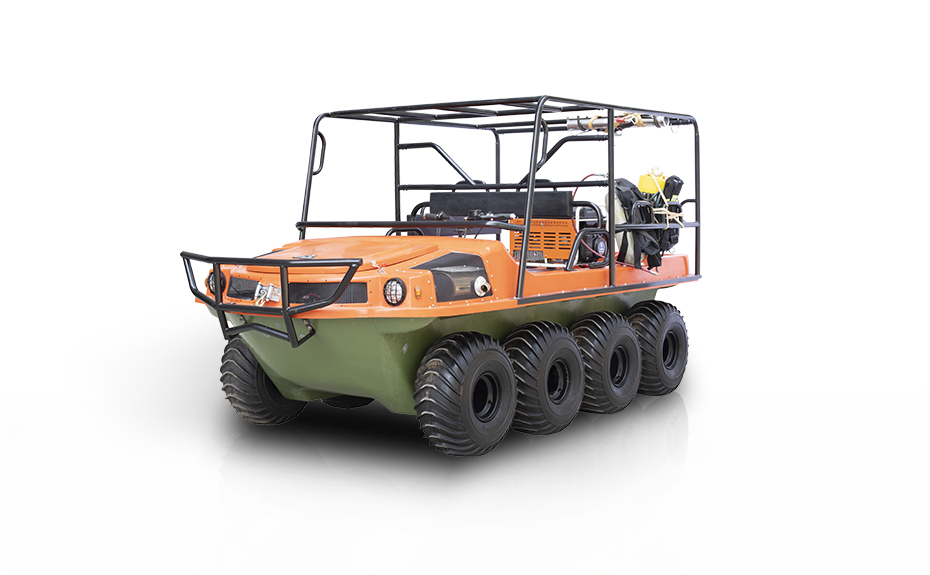
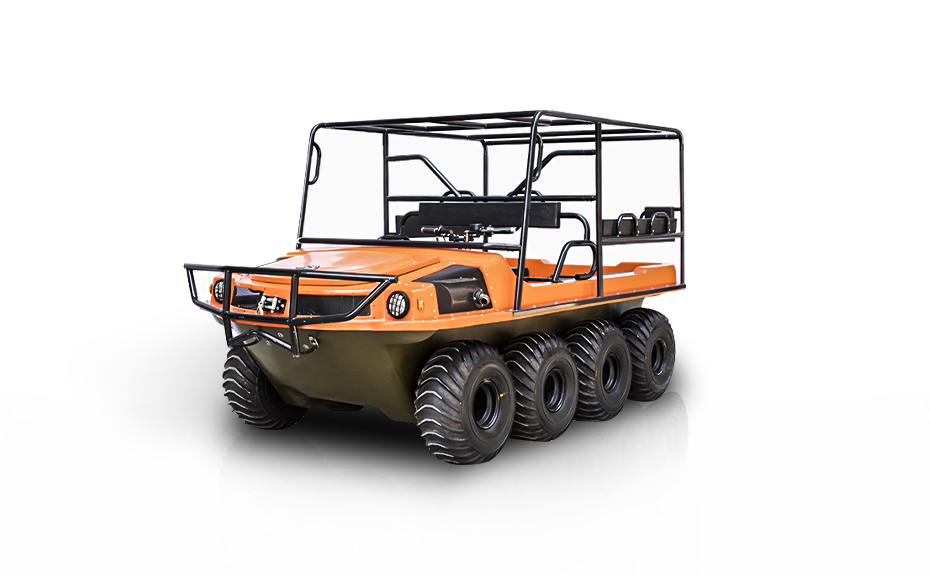
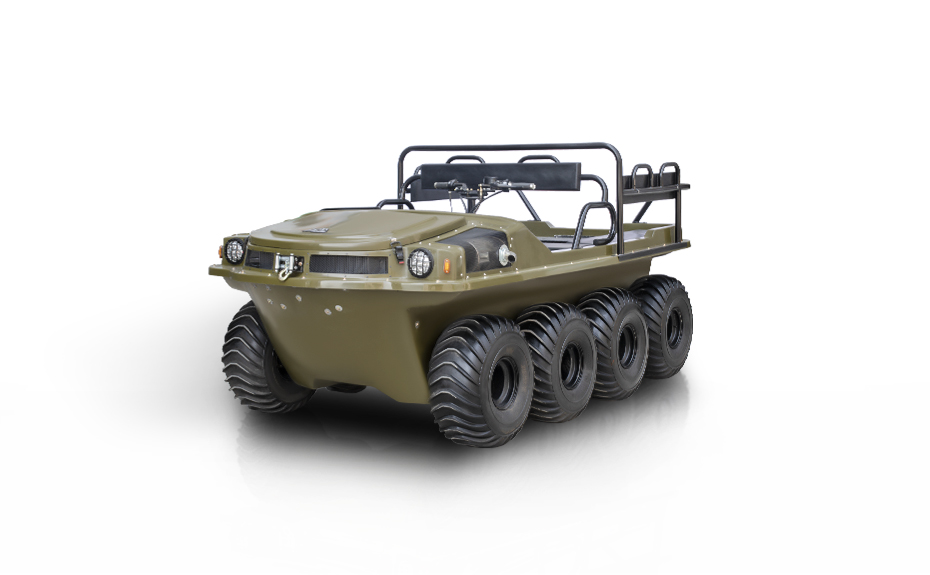
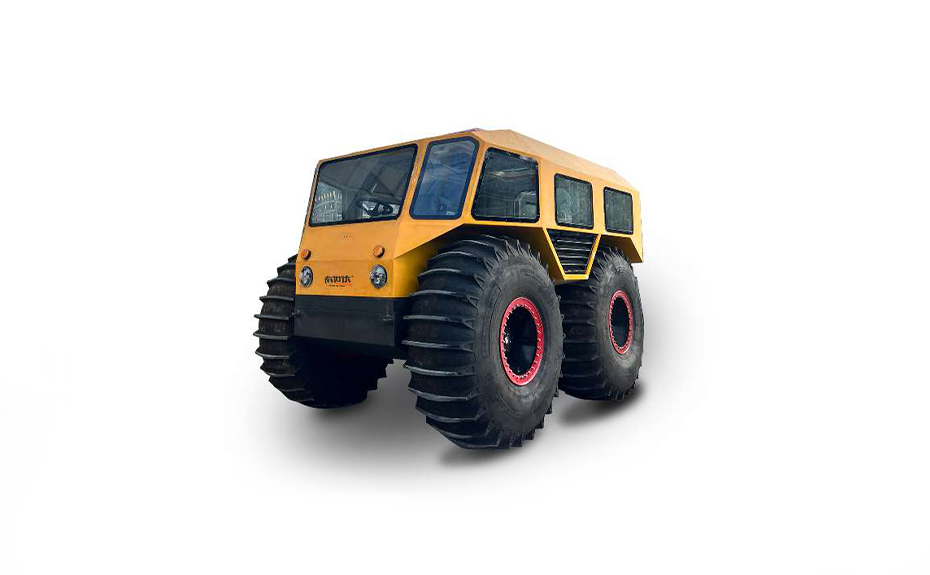
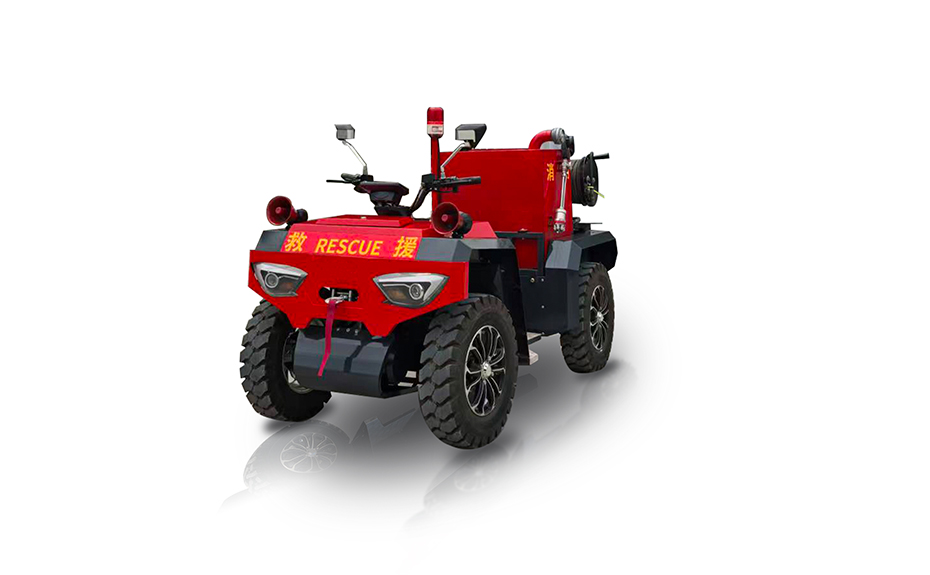
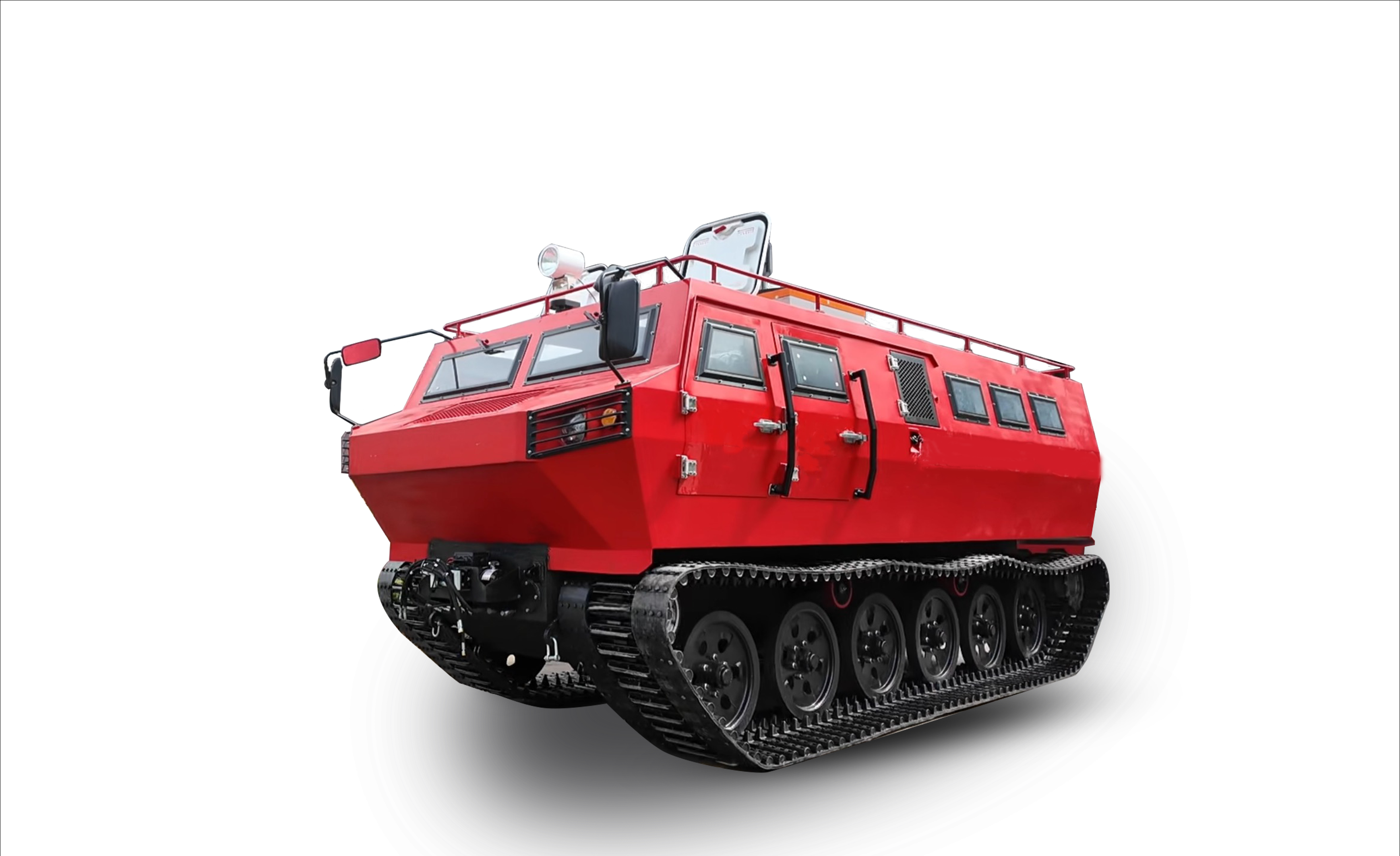
Transport vehicles cover a wide range these days, stretching well past the flatbed trucks and vans that come to mind first. For buyers working with rescue agencies, utility crews, and remote logistics operations, the category now includes tracked, amphibious platforms designed to move personnel and cargo across ground where wheeled trucks simply can't follow. Marsh, mud, snow, and shallow water routes all fall outside the reach of conventional transport vehicles, which is why interest in tracked all-terrain designs keeps climbing among buyers stocking equipment for field operations.
Tracks Instead of Wheels for Soft Ground
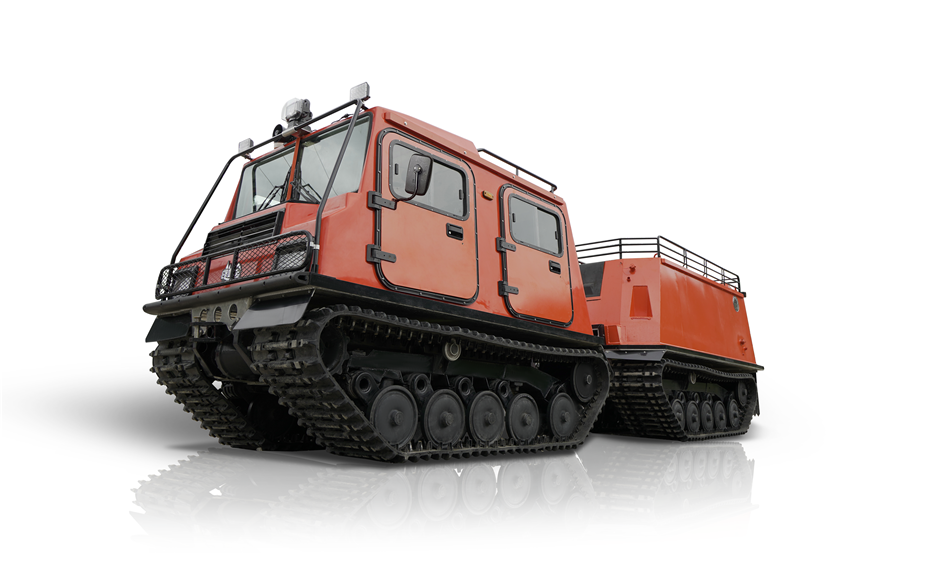
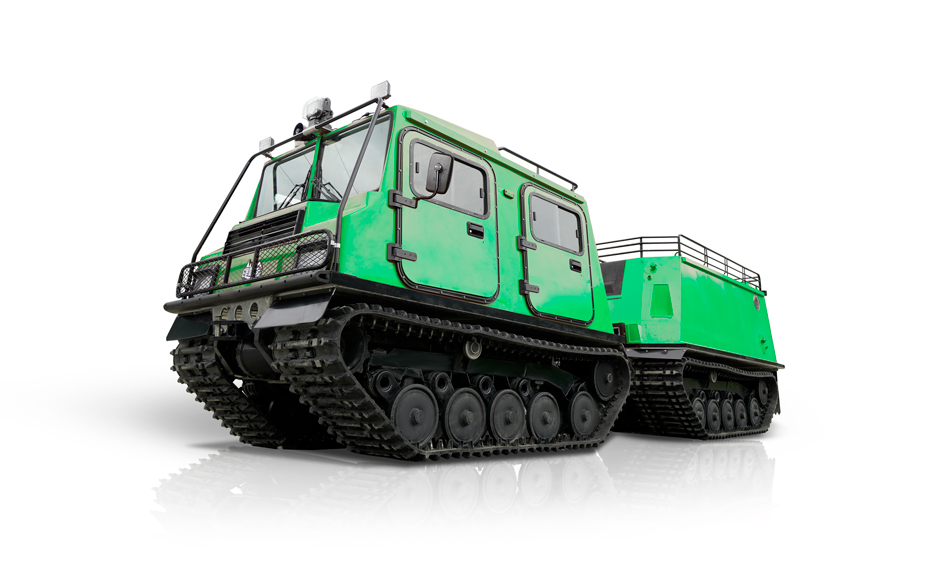
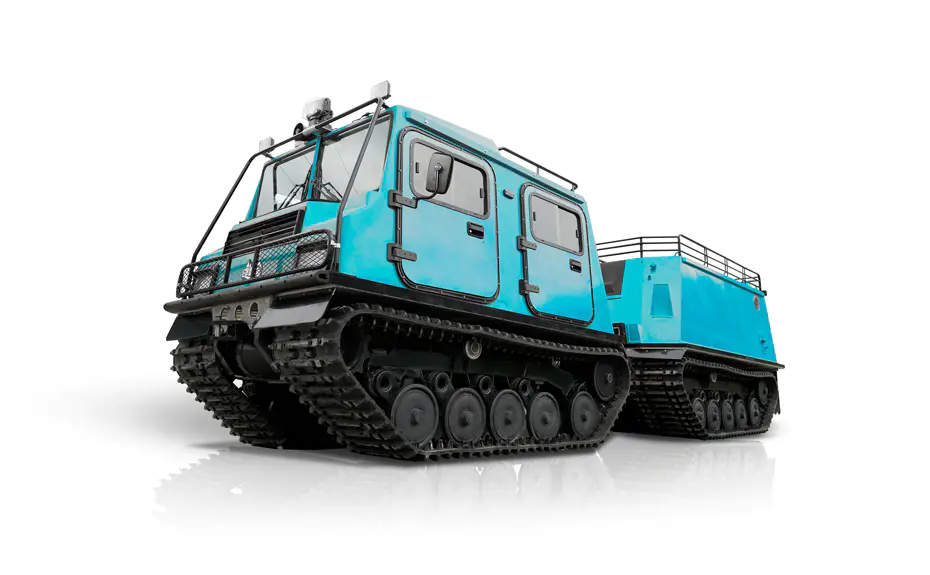
The biggest functional difference among these transport vehicles comes down to how they distribute weight. A tracked platform spreads its load across a wider contact area than a set of tires, which keeps it from sinking into marshland, loose sand, or storm-damaged ground. That low ground-pressure behavior matters for teams responding after flooding or heavy snow, when the terrain between a staging area and the response site is often unpredictable. Buyers sourcing tracked transport vehicles for rescue or utility fleets tend to prioritize this trait early, since it directly affects whether a vehicle can actually reach a job site rather than getting stuck partway there.
Steady traction across rain, snow, and debris-covered ground is another point buyers raise when comparing tracked transport vehicles against wheeled alternatives. Wheeled trucks can lose grip quickly on wet clay or loose gravel, while a tracked design tends to hold a line more consistently, which shortens the gap between dispatch and arrival in time-sensitive situations.
One Platform, Several Roles
A recurring theme among buyers sourcing transport vehicles for institutional fleets is modularity. Rather than purchasing a separate vehicle for every task, many operations look for a base platform that can be reconfigured with different interior setups: bench seating for personnel transport, cargo racks for tools and supplies, or towing hardware for hauling damaged equipment out of a site. This flexibility lets a single unit serve troop transport, medical evacuation support, and general cargo hauling depending on which module gets installed for a given mission.
Buyers stocking transport vehicles for agencies with tight budgets often see this modularity as a practical way to cover several operational needs without expanding fleet size, since swapping a module tends to take far less time and space than adding an entirely separate vehicle class.
Matching Vehicle Type to Mission Terrain
Not every buyer sourcing transport vehicles needs the same specifications. A crew working primarily on paved or graded roads has different priorities than one covering marshland, forest fire lines, or storm-damaged infrastructure zones. Payload capacity, ground clearance, water-crossing depth, and cabin layout all shift depending on whether the vehicle will spend of its working life on packed roads or genuinely off-road terrain.
Buyers evaluating transport vehicles for mixed-use fleets often ask about how a given platform performs across a range of surfaces rather than in one ideal condition, since real deployments rarely stick to a single terrain type. A vehicle that handles snow well but struggles in mud, for instance, may not suit a team responding to varied seasonal conditions across a wide service region.
Communication before ordering tends to matter here — specifying expected terrain mix, typical payload, and crew size upfront helps narrow down which configuration among available transport vehicles will actually match how the fleet plans to use it once it's in the field.



 浙ICP备2022029871号