
Can Transport Vehicles Cross Wet Ground?
Teams working in remote or uneven locations often need machines that can carry personnel and light loads where standard trucks face limits. Transport vehicles designed for mixed surfaces provide that capability. These units combine all-wheel drive, sealed construction, and adaptable tires to keep operations moving across changing ground conditions.
Core Design Elements
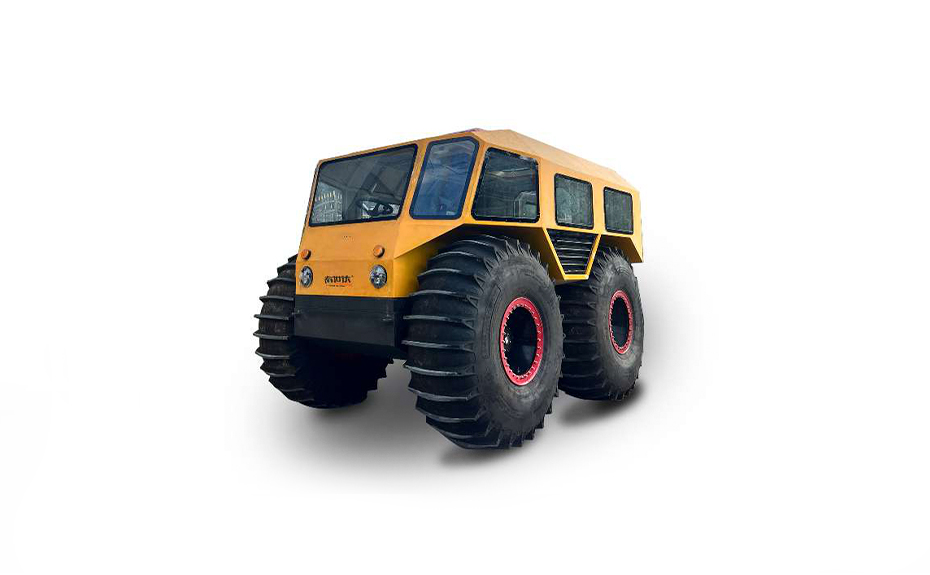
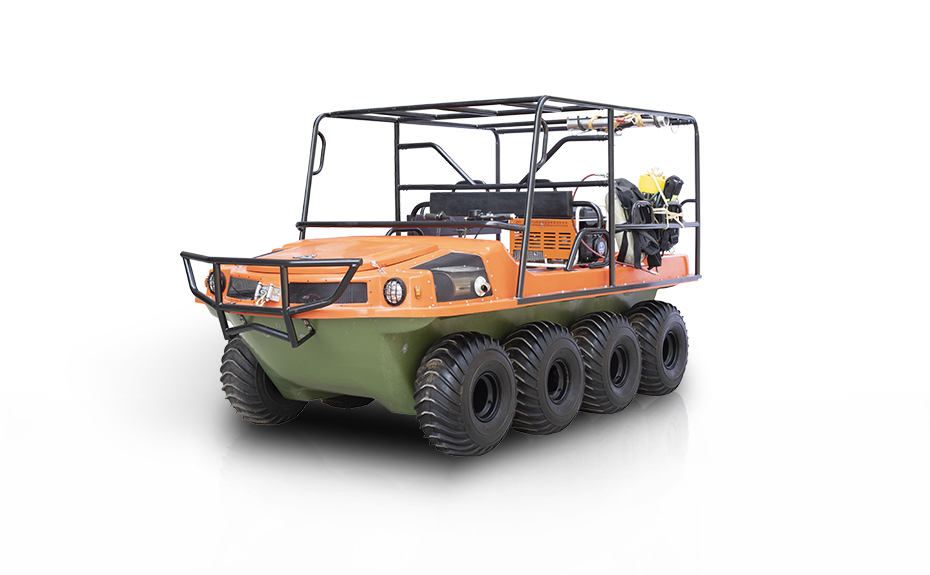
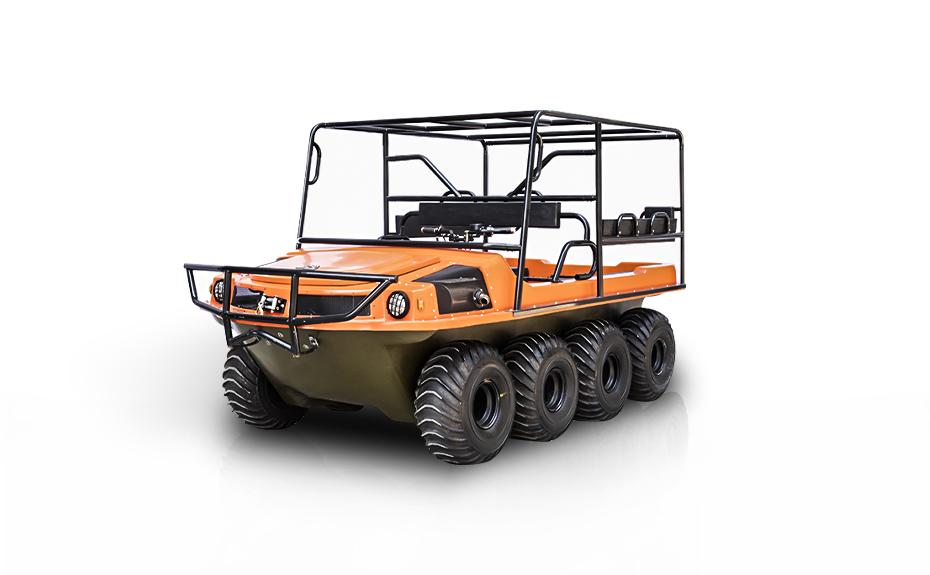
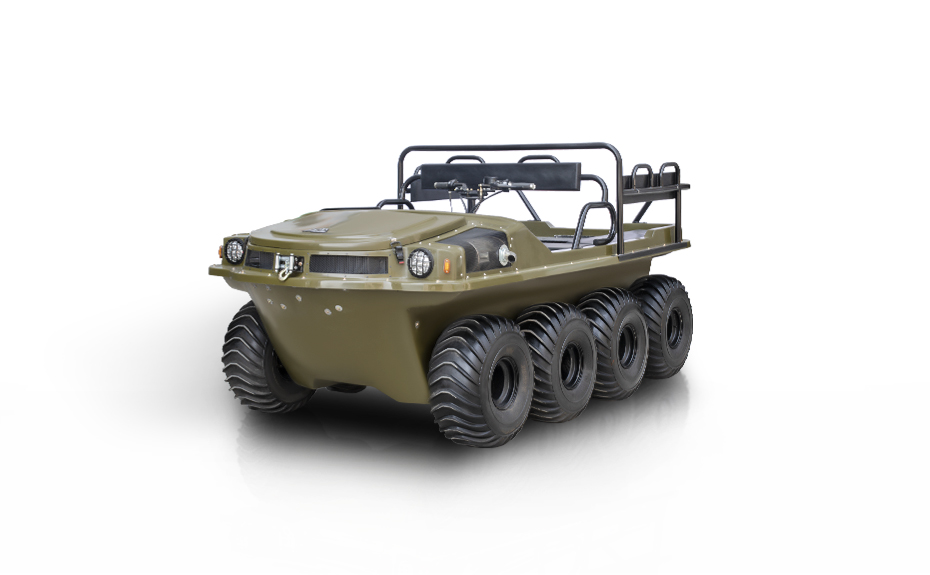
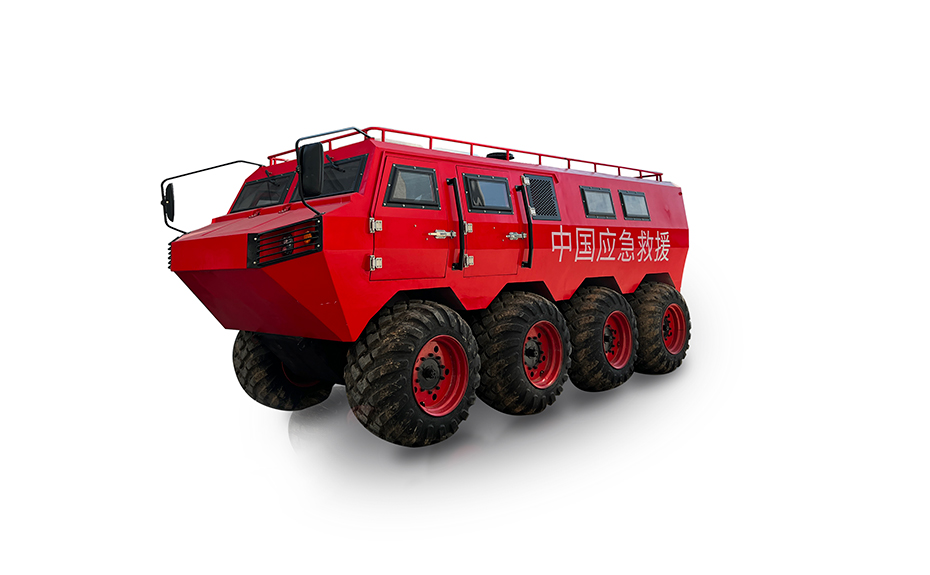
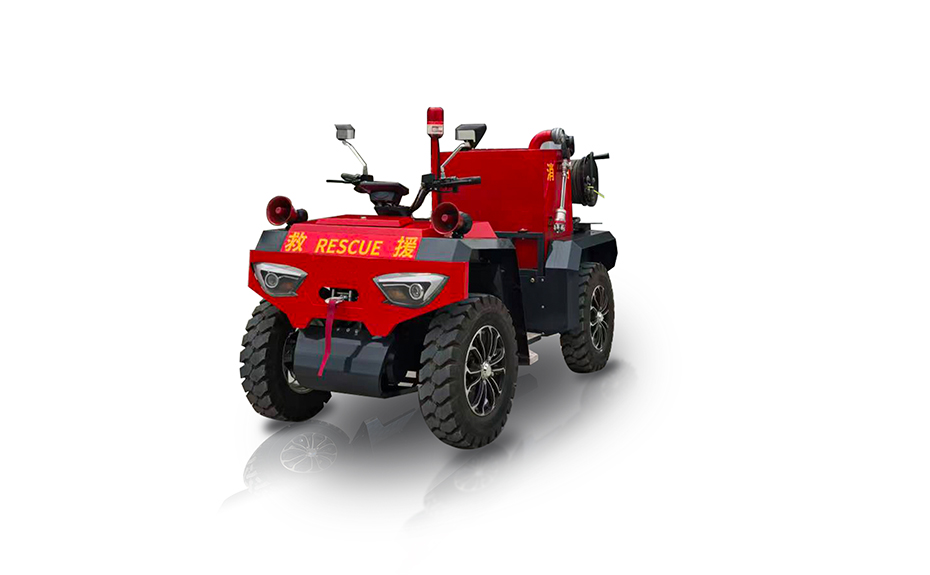
Modern transport vehicles of this type typically feature a fully sealed body that limits water and debris entry during wet crossings or muddy travel. Four-wheel-drive systems distribute torque to all wheels, helping maintain traction on sand, gravel, soft soil, and shallow water. Amphibious-style tires support both flotation on saturated ground and grip on firmer surfaces.
An 8-speed automatic transmission delivers smooth power progression. This arrangement reduces sudden shifts and helps operators maintain steady momentum when the surface changes from firm to loose. Land speeds reach approximately 50 km/h under suitable conditions, balancing relocation speed with control on technical routes.
Traction and Surface Adaptability
On broken or transition zones—such as wet soil meeting gravel or sand meeting rock—the continuous drive to all four wheels reduces the chance of one axle spinning while others lose contact. The sealed body structure further supports travel through splash-prone or waterlogged sections without immediate interruption.
Low-temperature operation receives attention through integrated oil-line insulation. This design helps the vehicle continue functioning during extended shifts in cold conditions without requiring temporary external measures.
Typical Work Environments
Transport vehicles see regular use in remote utility inspection, where crews must reach infrastructure along unpaved or seasonally flooded paths. Emergency logistics teams deploy them to move personnel and supplies into areas affected by weather-related route damage. Rural patrol and cross-terrain monitoring tasks also benefit from the ability to travel between locations without relying on prepared roads.
Agricultural operations use similar units for field checks, fence-line travel, and movement of light tools across pastures or between crop areas. River-adjacent and wet-ground tasks form another common application, where the combination of sealed construction and specialized tires supports shallow crossings and saturated approaches.
Power Delivery and Operator Control
The automatic transmission contributes to consistent handling during stop-start movement common in field work. Operators can focus on route selection and load management rather than frequent gear changes. The overall chassis layout prioritizes stability on slopes and uneven sections, with ground clearance suited to obstacles typical of unprepared terrain.
Cargo capacity and seating arrangements vary by configuration. Many units accommodate a small crew plus space for tools or light materials, making them suitable for short-range transport within a work zone.
Configuration Flexibility
Suppliers of transport vehicles often provide modular options that allow adjustments to seating, cargo beds, or accessory mounts. This flexibility helps match the machine to the specific mix of surfaces and tasks encountered by a given team. Color and identification markings can distinguish units assigned to different functions or locations.
The relatively compact footprint compared with larger trucks permits travel along narrower trails or between obstacles that restrict wider vehicles.
Performance Across Terrain Types
In mud and soft soil, the tire design and drive system work together to limit excessive sinking while still generating forward progress. On gravel and firmer ground the same components support controlled higher speeds. Shallow water and saturated edges are handled through the sealed body and tire flotation characteristics.
Cold-region use benefits from the oil-circuit insulation that supports reliable operation of Transport vehicles during longer duty cycles. Across these varied surfaces Transport vehicles maintain a practical balance between mobility and operator control.


 浙ICP备2022029871号