
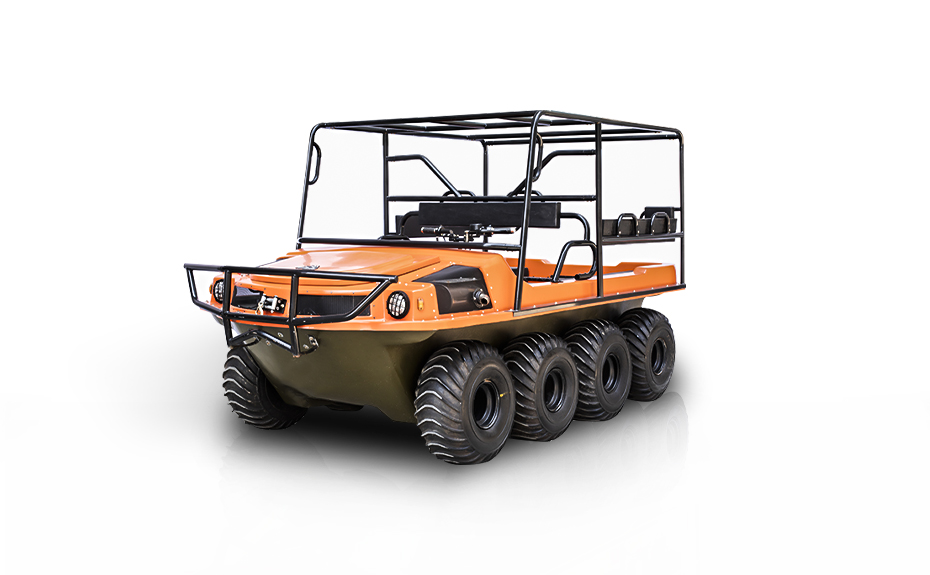
Do ATV All Roads Modified Brackets Improve Flexibility?
ATV all roads modified brackets serve as important components in adapting vehicles for operation across different surfaces. These brackets enable structural adjustments that support enhanced mobility in varied conditions. Manufacturers such as those producing tracked utility terrain vehicles incorporate these elements to facilitate modifications that align with operational requirements in multiple sectors.
Overview of Modification Brackets for ATVs
Modification brackets provide mounting points and structural support for changes to ATV frames and systems. In all-road applications, they help connect additional components that improve vehicle stability and functionality on uneven or soft ground. These parts often feature designs compatible with existing chassis layouts, allowing for integration without major alterations to the base vehicle.
The brackets typically use materials suited to mechanical stress, supporting attachments like reinforced frames or accessory mounts. This approach allows operators to configure vehicles for specific tasks while maintaining core performance characteristics. In practice, such brackets contribute to the adaptability of ATVs in environments ranging from fields to rough paths.
Design Features of All Roads Modified Brackets
All roads modified brackets come with configurations that address attachment needs for tracked or wheeled systems. Many include multiple connection points for secure fitting to vehicle frames, enabling the addition of support elements that distribute loads during movement.
Common designs focus on alignment with drive and suspension areas, ensuring that added parts do not interfere with track or wheel operation. Precision in hole placement and angle settings helps achieve proper fitment across compatible models. These features support modifications that allow vehicles to handle transitions between different terrain types with consistent contact and control.
Integration with Tracked Vehicle Systems
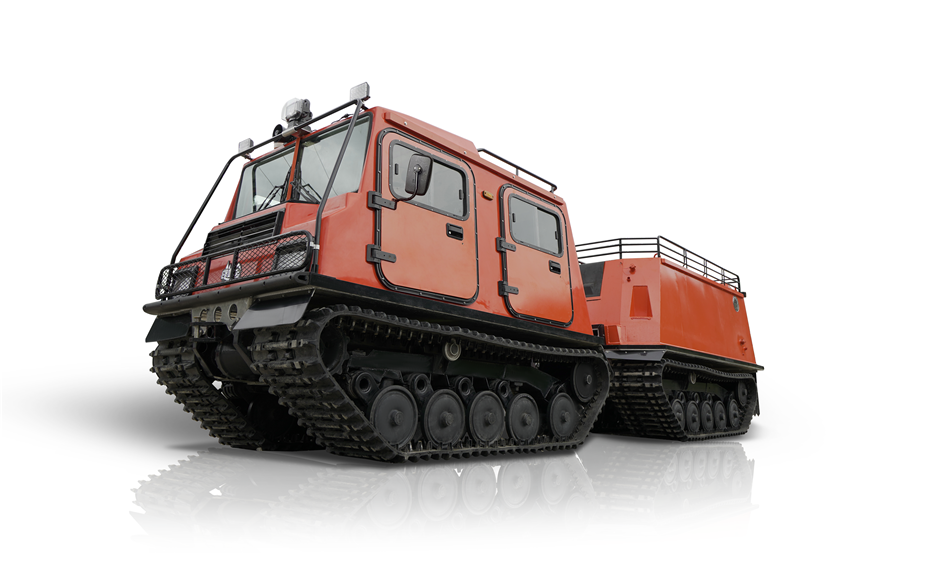
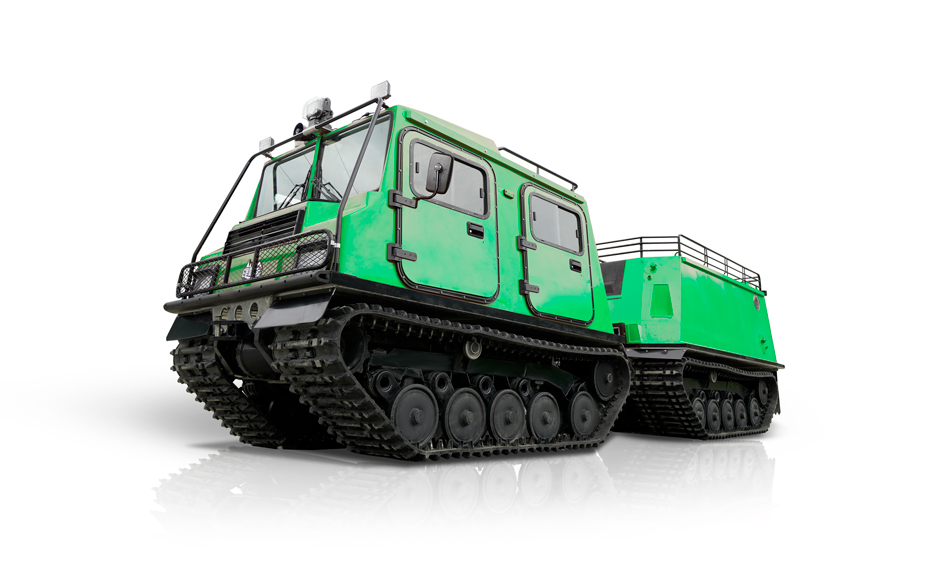
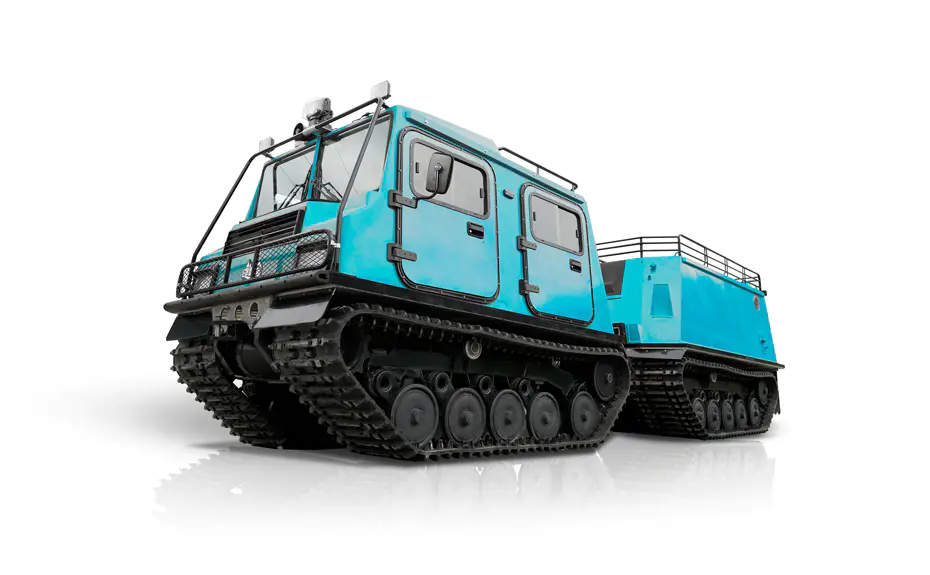
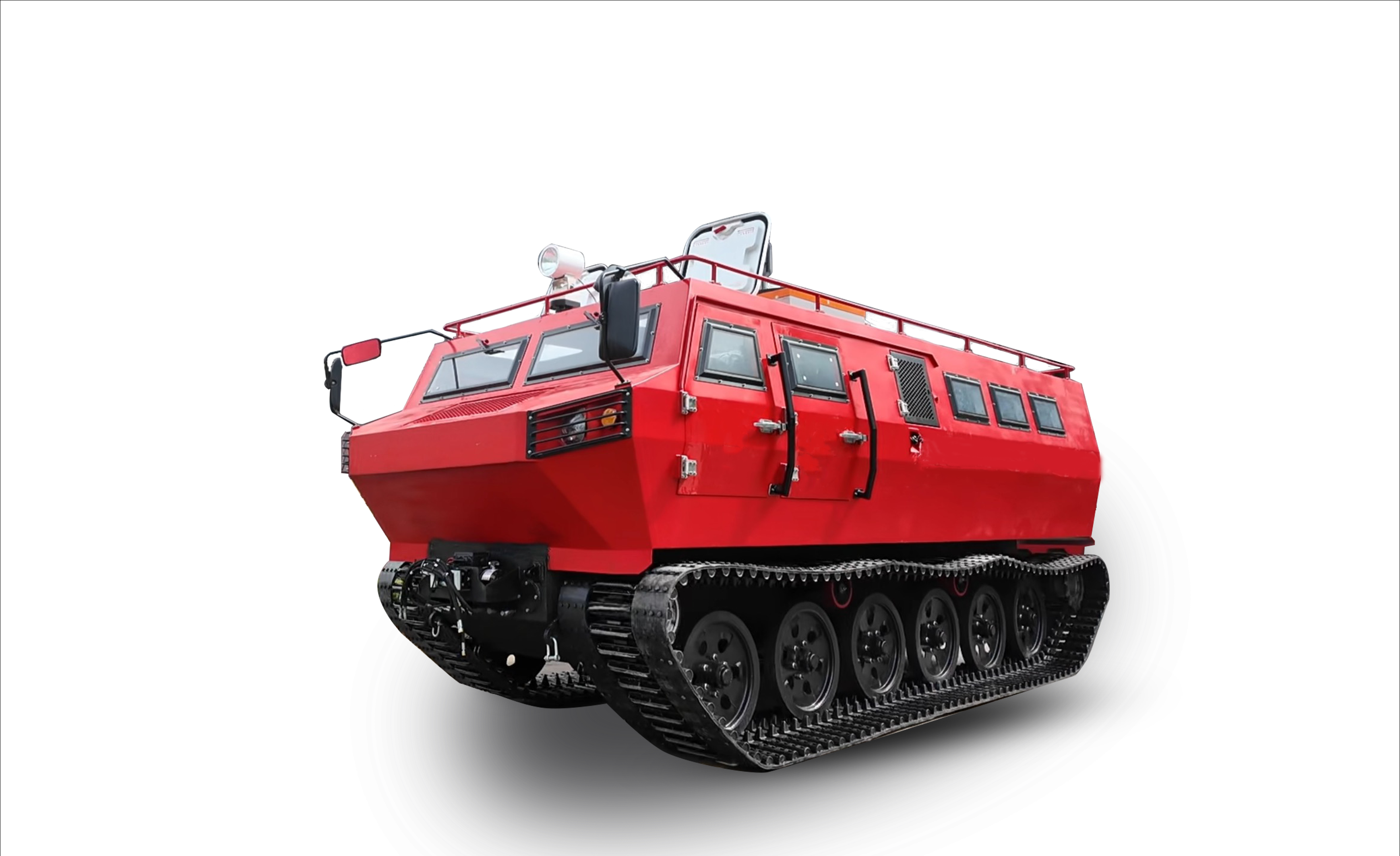
In tracked ATVs, modified brackets play a role in linking sections of the vehicle, such as in articulated or multi-carriage setups. They assist in connecting front and rear units through central pivot points, which aids in navigating contours and obstacles.
For models similar to established all-terrain carriers, brackets facilitate the installation of track-related assemblies and body extensions. This integration helps maintain balance and propulsion efficiency when the vehicle encounters mud, slopes, or mixed surfaces. The brackets ensure that added elements remain aligned with the drive sprockets and rollers during operation.
Applications in Utility and Transport Vehicles
Vehicles equipped with these brackets see use in utility transport, where modifications allow for cargo platforms or personnel compartments. The brackets support the attachment of modular bodies that can be adjusted for different load distributions.
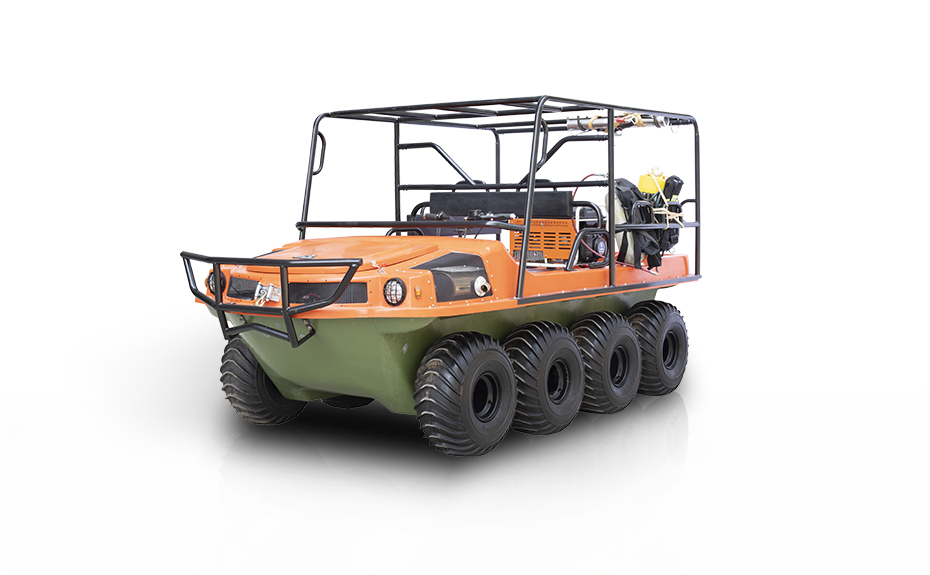
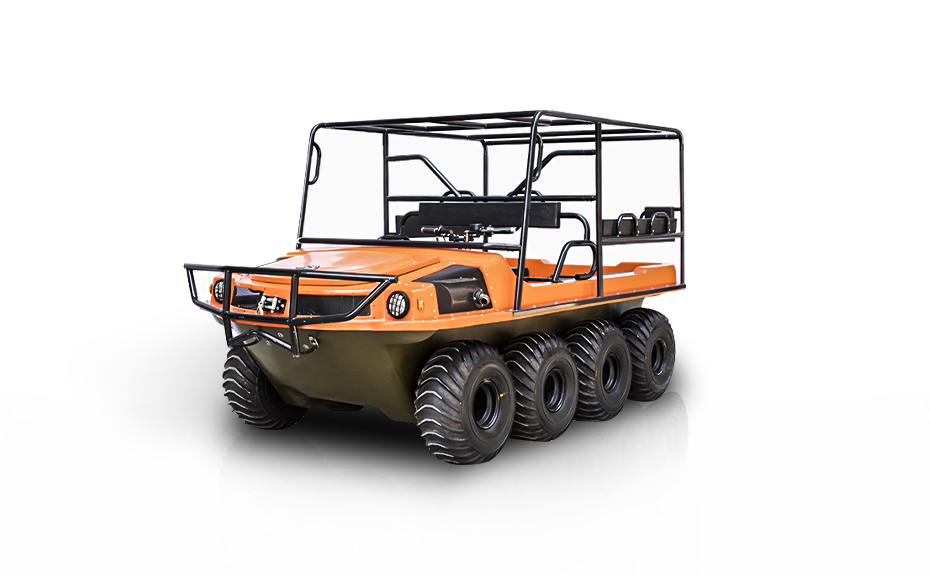
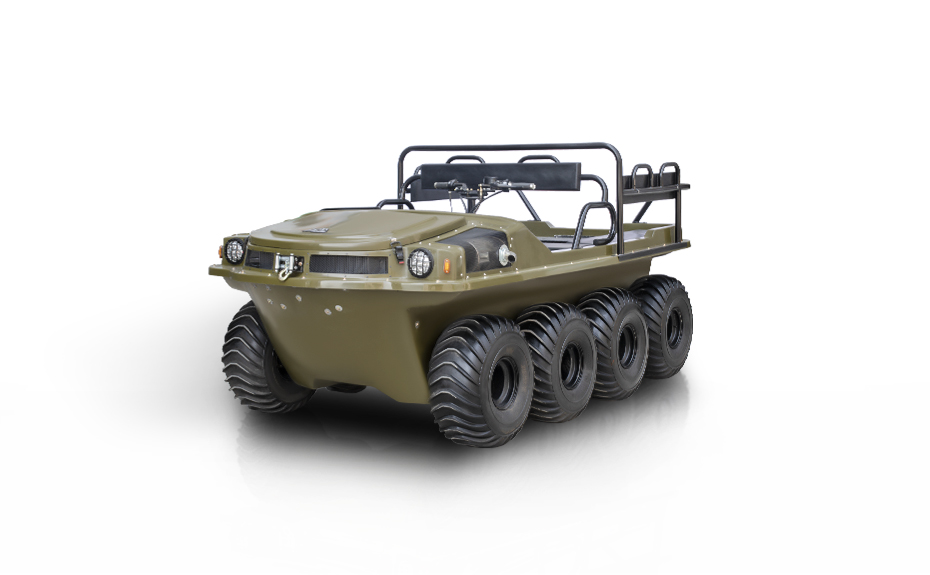
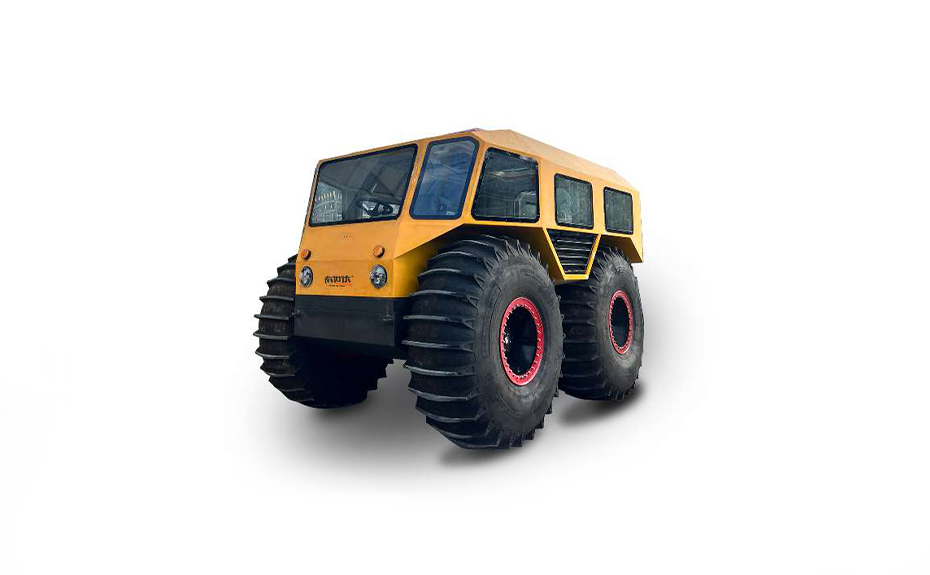
In amphibious configurations, modified brackets help secure elements that contribute to buoyancy and land performance. This setup enables the vehicle to move between water edges and shore areas with reduced disruption to structural integrity. Operators in logistics or support roles value the flexibility these brackets provide for task-specific adaptations.
Compatibility with Various ATV Models
Many all roads modified brackets are developed to match specifications of popular ATV platforms, including those with rubber track systems. Dimensions and mounting patterns align with standard frame measurements, simplifying the modification process for workshops or field adjustments.
This compatibility extends to both single-section and multi-unit vehicles, allowing users to select brackets that fit their existing equipment. Suppliers offer variations that address different wheelbase or track width requirements, supporting a range of vehicle sizes and configurations used in professional settings.
Structural Support and Load Management
The brackets contribute to overall frame strength by providing reinforced connection areas. In all-road modifications, they help manage forces encountered during travel over irregular ground, reducing stress concentrations at key points.
Designs often include provisions for additional cross members or support arms, which enhance torsional rigidity. This aspect supports safer handling when carrying equipment or navigating inclines, contributing to steady performance across repeated uses. Engineers focus on load paths to ensure brackets work in coordination with the vehicle's suspension and chassis.
Role in Amphibious and Multi-Terrain Setups
For vehicles designed for both land and water, modified brackets assist in securing transition components such as sealed joints or extended platforms. These attachments maintain structural connections while allowing the vehicle to adapt to changing conditions at shorelines or flooded routes.
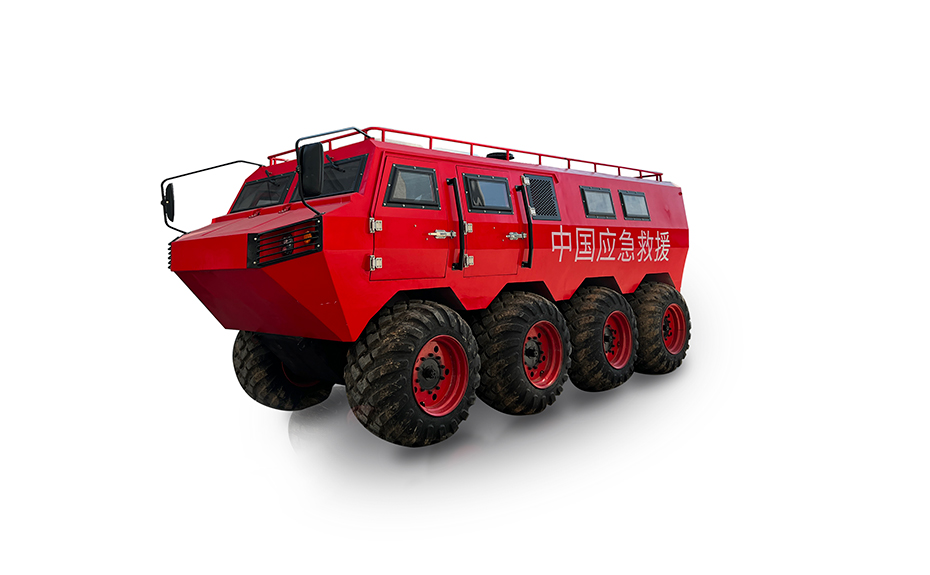
In 8x8 arrangements, brackets support the alignment of multiple axles or track units, promoting even weight distribution. This configuration aids in maintaining propulsion and stability during surface changes, which is relevant for operations in areas with variable access.
Benefits for Operational Flexibility
Operators using modified ATVs report that these brackets enable adjustments tailored to specific routes or tasks. Whether adding storage racks, tool mounts, or stability enhancements, the brackets provide a foundation for practical changes that support daily work in challenging locations.
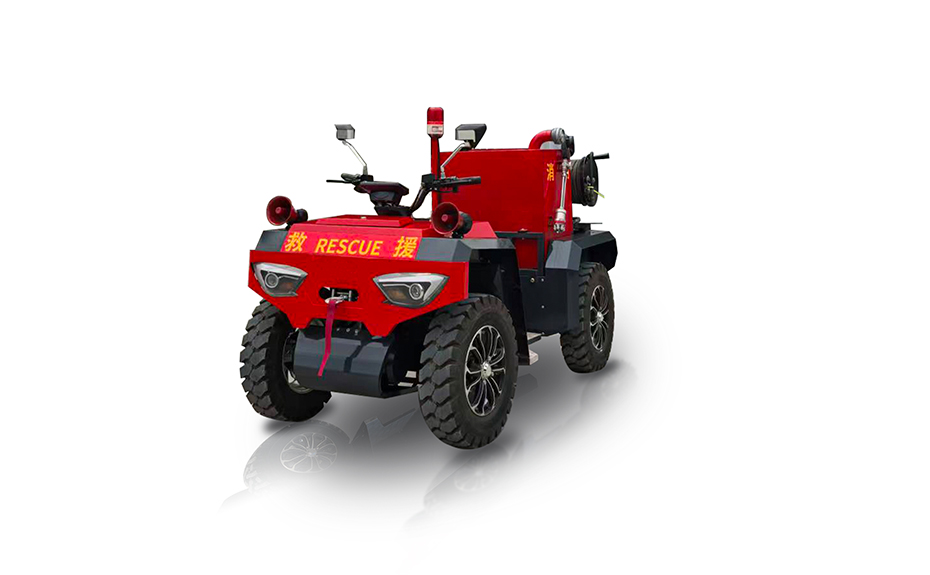
In sectors such as emergency support, resource management, or agricultural transport, the ability to modify vehicles on-site or in workshops adds to their utility. The brackets facilitate updates that keep vehicles aligned with evolving job demands without requiring complete replacements.
Contribution to Vehicle Performance in Diverse Conditions
By enabling targeted modifications, these brackets help ATVs maintain contact and control on grass, sand, snow, or rocky areas. The added structural options support consistent operation where standard setups might encounter limitations in stability or load capacity.
Teams involved in fieldwork appreciate how brackets allow incremental improvements that enhance vehicle suitability for local conditions. This adaptability contributes to reliable service across seasonal or regional variations in terrain challenges.
Summary of ATV All Roads Modified Brackets
ATV all roads modified brackets represent a practical element in vehicle customization, supporting adaptations that extend operational reach. From frame connections and track integrations to modular attachments, these components facilitate adjustments suited to multiple environments and tasks.
Producers in the all-terrain vehicle sector, including those offering parts for models like BV206-inspired systems, supply these brackets as part of broader accessory lines. Their role in enabling flexible configurations makes them relevant for users seeking dependable performance in real-world conditions across utility, transport, and support applications.



 浙ICP备2022029871号