
Fitting parts Serve Specialized Off-Road Equipment
Why Component Compatibility Matters in Tracked Vehicles
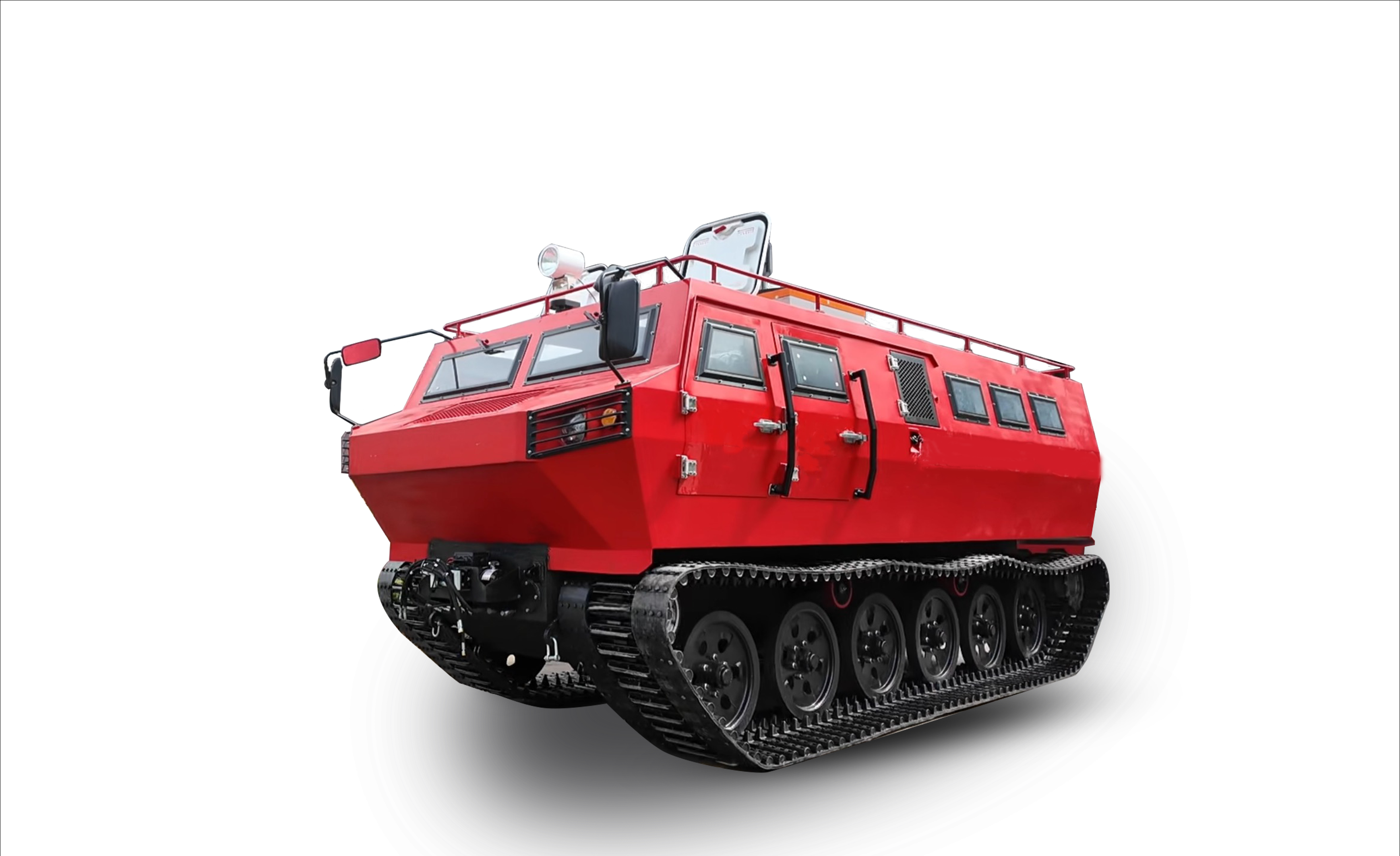
Tracked utility vehicles are built to travel across terrain where ordinary wheeled transport may struggle, including soft ground, muddy routes, snow-covered surfaces, and uneven paths. Their mobility depends on several connected mechanical systems working together, from the rubber tracks and drive wheels to the suspension and steering components.
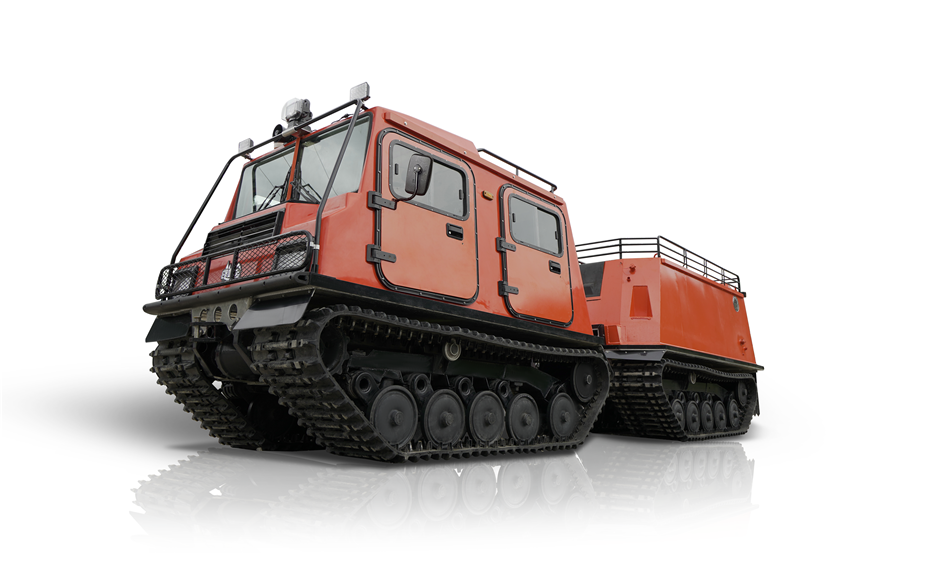
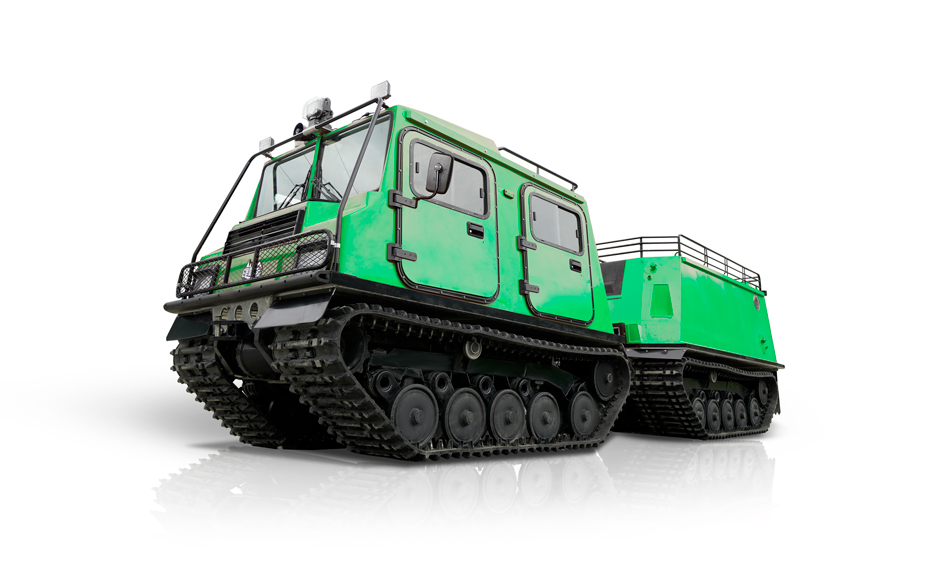
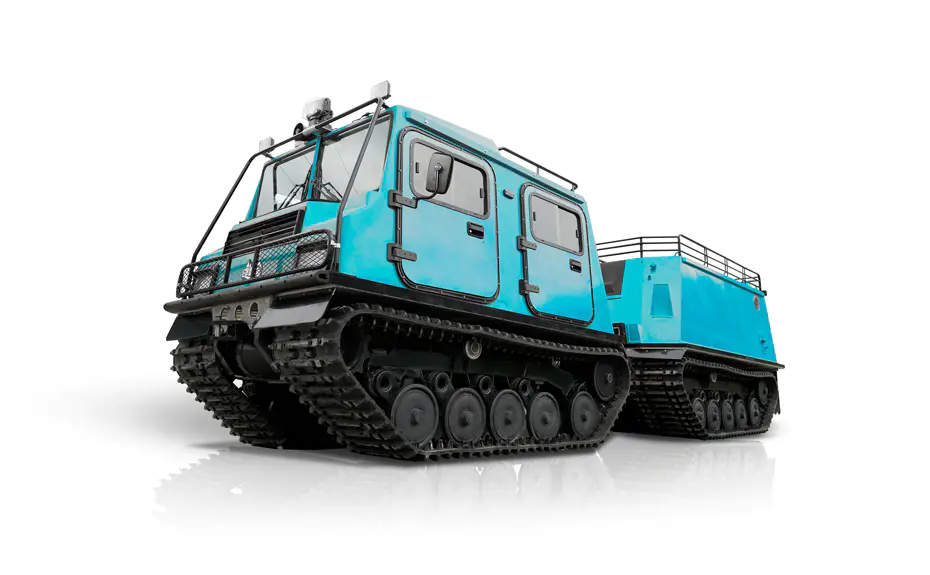
For equipment distributors, fleet operators, and specialist parts suppliers, Fitting parts are an important consideration when sourcing components for tracked vehicles such as the SISU NA-140. Choosing suitable parts requires more than matching a product name. Buyers need to understand the component's position, function, dimensions, and compatibility with the intended vehicle model.
Rubber Tracks and Drive Components
Rubber tracks form the contact surface between a tracked vehicle and the ground. They distribute vehicle weight across a larger area than individual wheels and provide continuous traction as the vehicle moves across different surfaces.
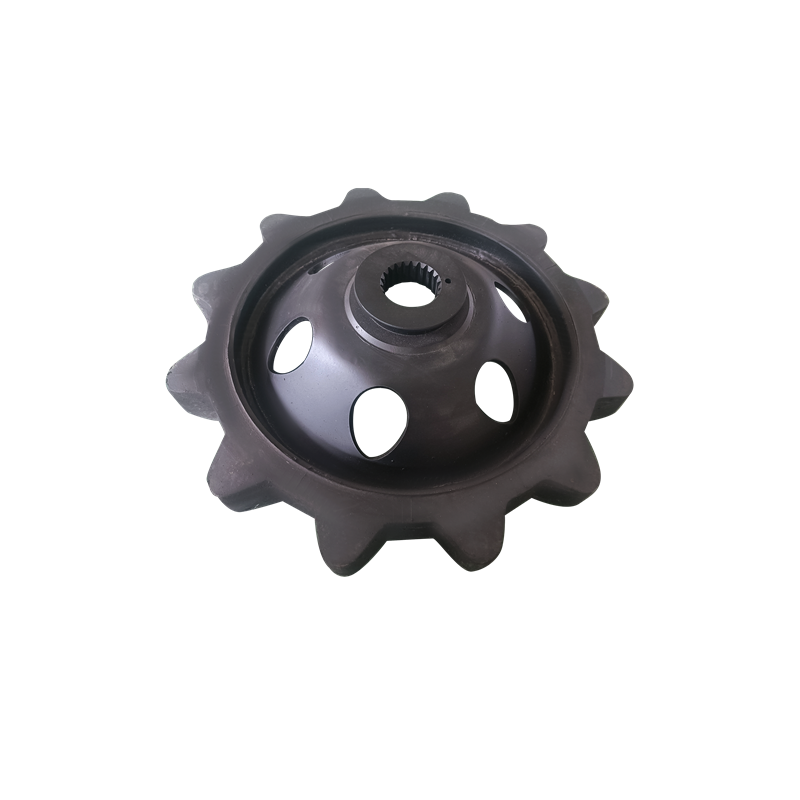
The track system also relies on supporting and driving components. Track wheels guide or support the track assembly, while driving wheels transfer mechanical force into the track system. Their dimensions and engagement characteristics need to match the vehicle's configuration.
When sourcing Fitting parts for the SISU NA-140, buyers may need to consider rubber tracks, track wheels, and driving wheels as related components rather than isolated products. Track specifications can involve width, pitch, and the number of links, so confirming the existing configuration helps reduce the risk of ordering incompatible parts.
Suspension Components Handle Uneven Terrain
Tracked vehicles encounter changing ground levels, obstacles, and varying loads. Suspension components help manage movement between the vehicle body and the track assembly, influencing how the vehicle responds to uneven surfaces.
The SISU NA-140 parts range includes several rocking arms, identified as No. 1, No. 2, and No. 3, along with front and rear springs. These components have distinct positions and functions within the vehicle structure.
Rocking arms form part of the mechanical arrangement that supports movement within the tracked undercarriage. Springs contribute to the suspension system's response to movement and loading. Since component positions and specifications may differ, buyers should verify the required part number and installation location before placing an order.
For wholesale procurement, organizing Fitting parts by component type and position can make it easier to distinguish similar-looking products and prepare accurate spare-parts lists.
Steering and Shock Absorption Components
Vehicle movement depends on more than track rotation. Steering components help direct the vehicle, while shock absorbers influence how movement and impacts are managed within the vehicle structure.
The SISU NA-140 range includes a steering cylinder and a shock absorber. The steering cylinder belongs to the vehicle's steering arrangement, while the shock absorber is associated with the connection between moving suspension components and the vehicle structure.
These parts have different technical requirements. Buyers should check mounting points, dimensions, connection arrangements, and the corresponding vehicle application rather than assuming that components with similar appearances can be exchanged.
When sourcing Fitting parts for specialized tracked vehicles, accurate identification is particularly relevant for components that connect separate mechanical assemblies. Clear product references help purchasing teams communicate requirements to suppliers and reduce confusion during order preparation.



 浙ICP备2022029871号