
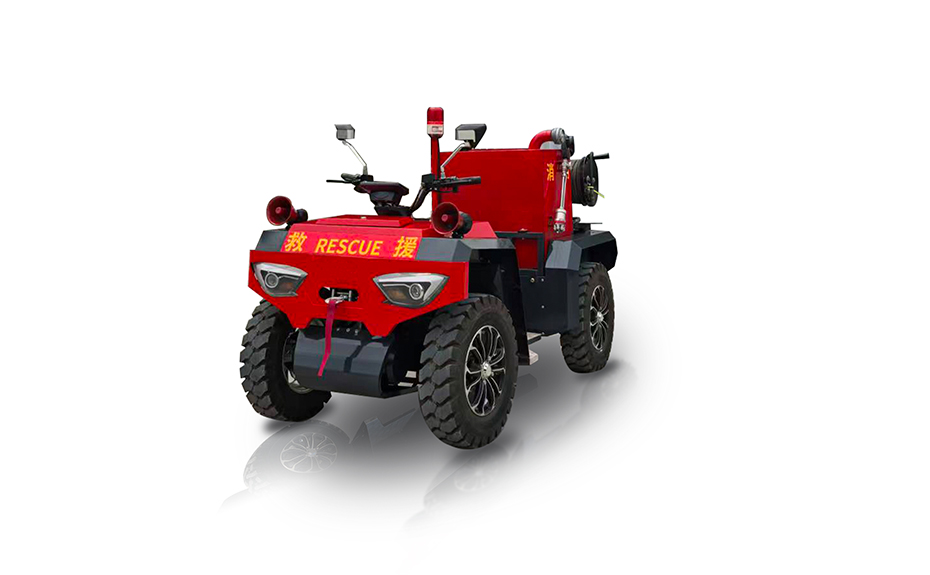
How Can A Firefighting Motorcycle Improve Emergency Response
Emergency vehicles do not always arrive under open road conditions. Daily traffic, roadside parking, delivery vehicles, construction barriers, and narrow residential lanes often slow rescue teams before they reach the fire scene. In many towns and industrial districts, several minutes may pass while large trucks search for enough turning space.
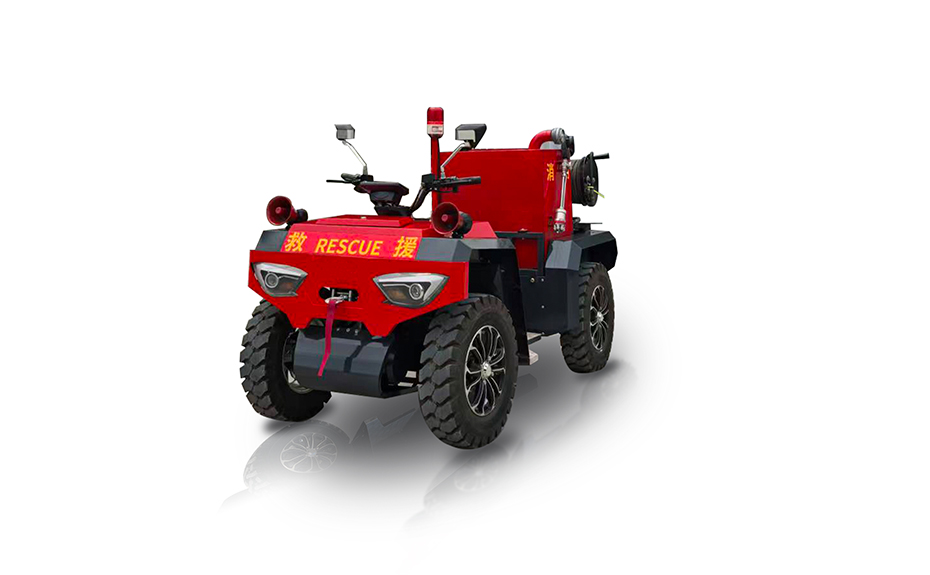
A Firefighting Motorcycle helps reduce part of that delay. Smaller dimensions allow emergency personnel to move through crowded streets, enter narrow passages, and approach locations where heavy rescue equipment cannot move smoothly. Early access gives firefighters time to inspect smoke sources, guide nearby residents away from danger, and control smaller flames before conditions become more difficult.
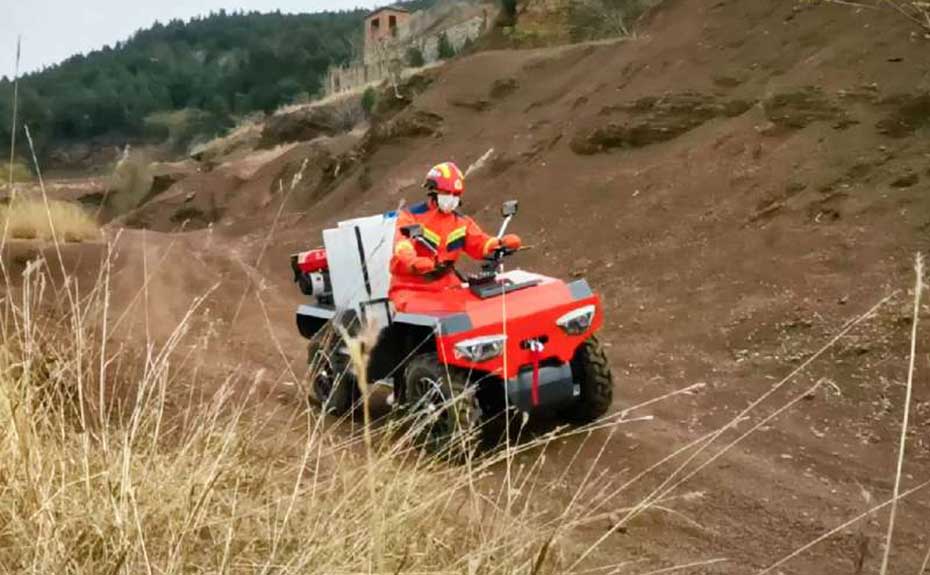
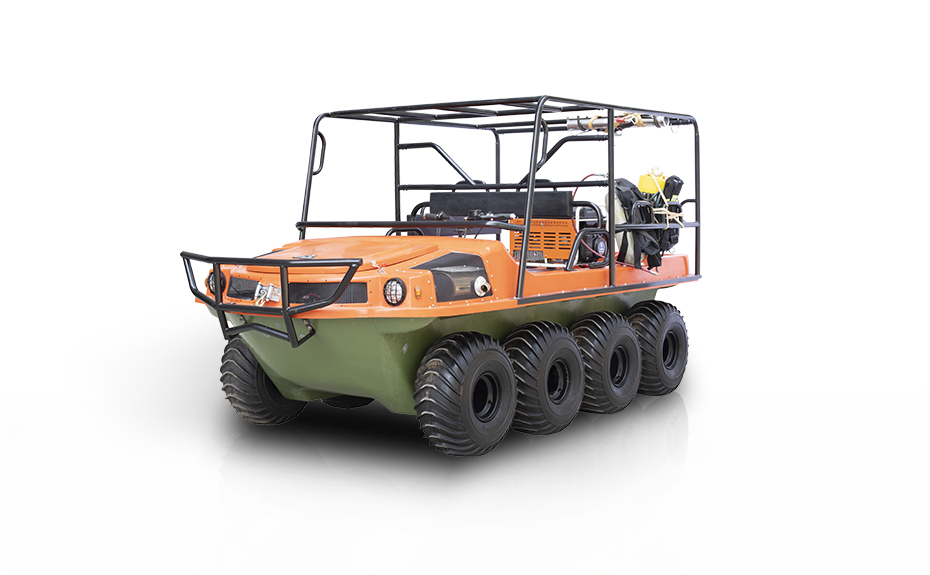
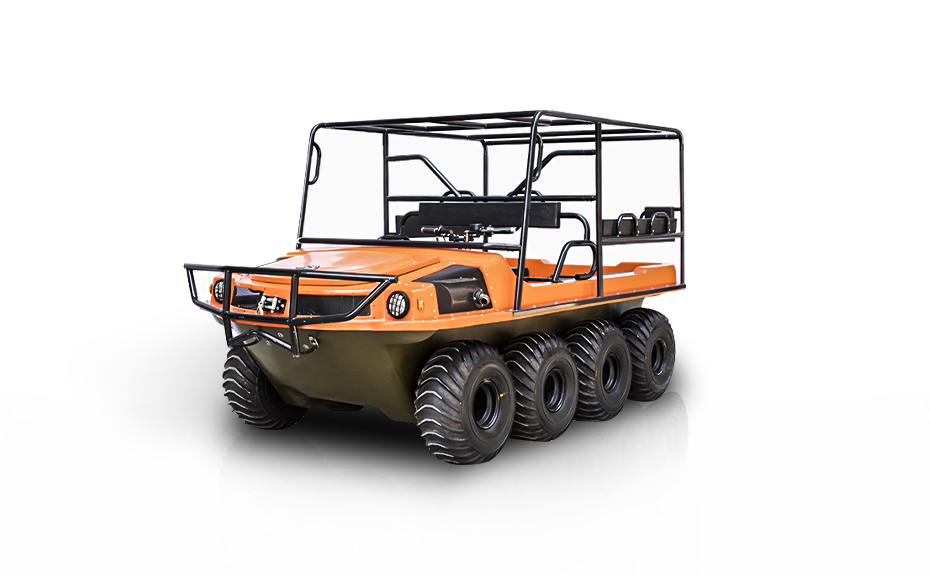
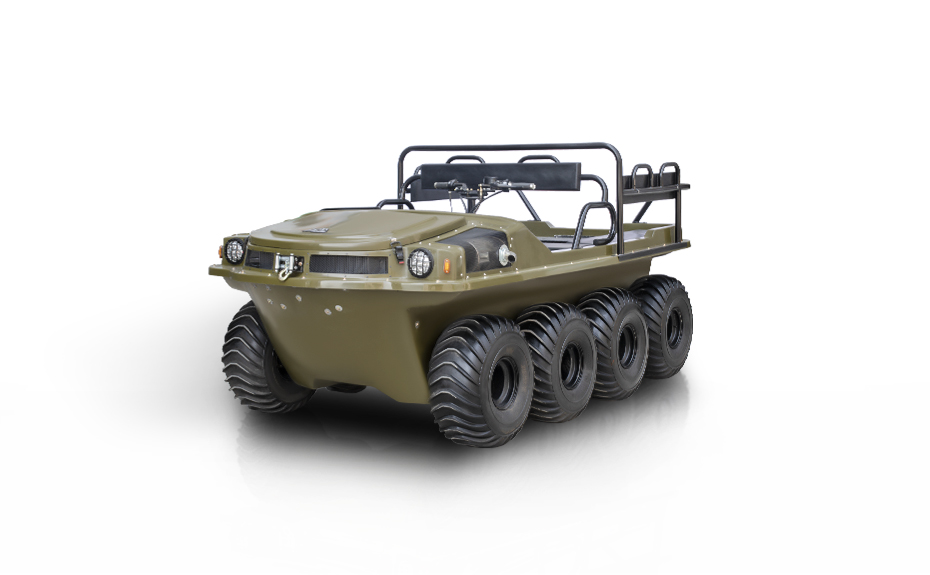
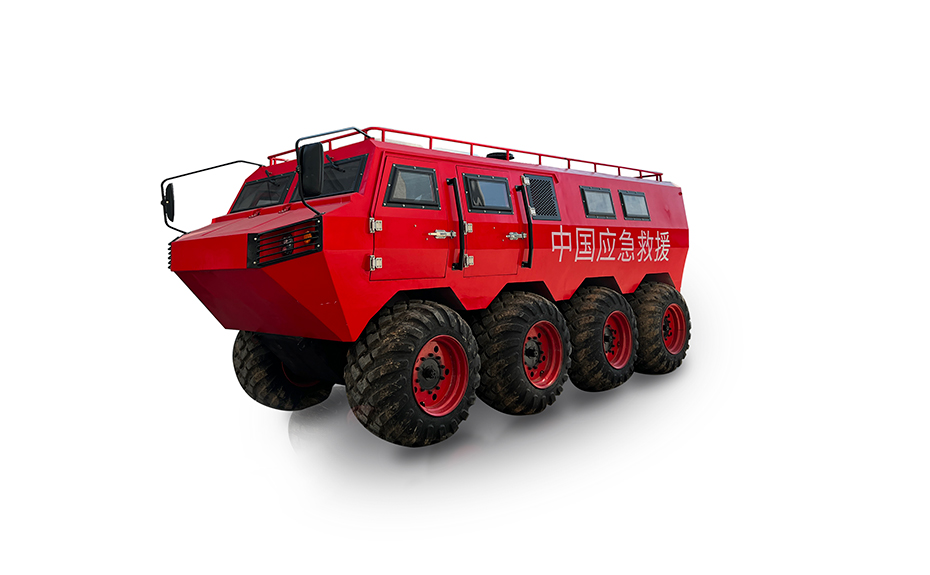
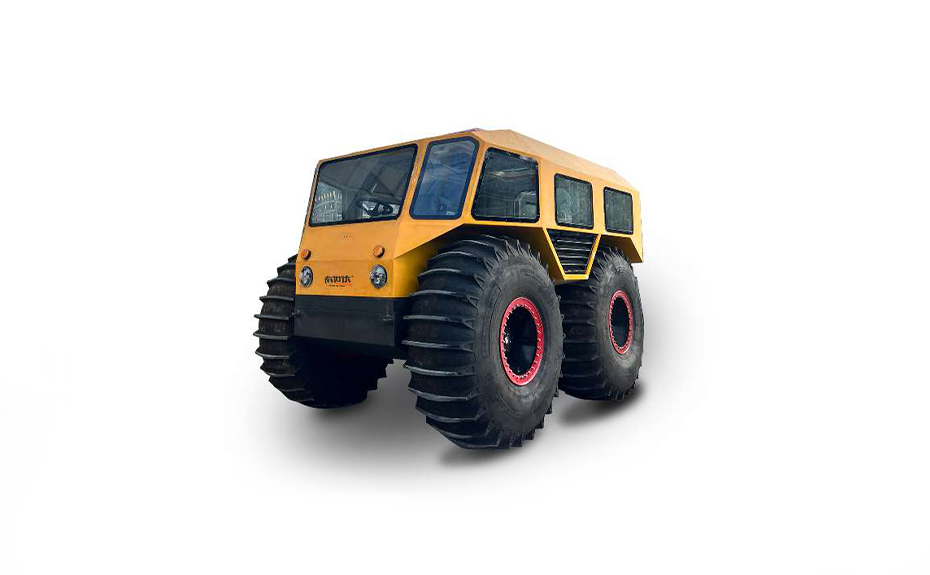
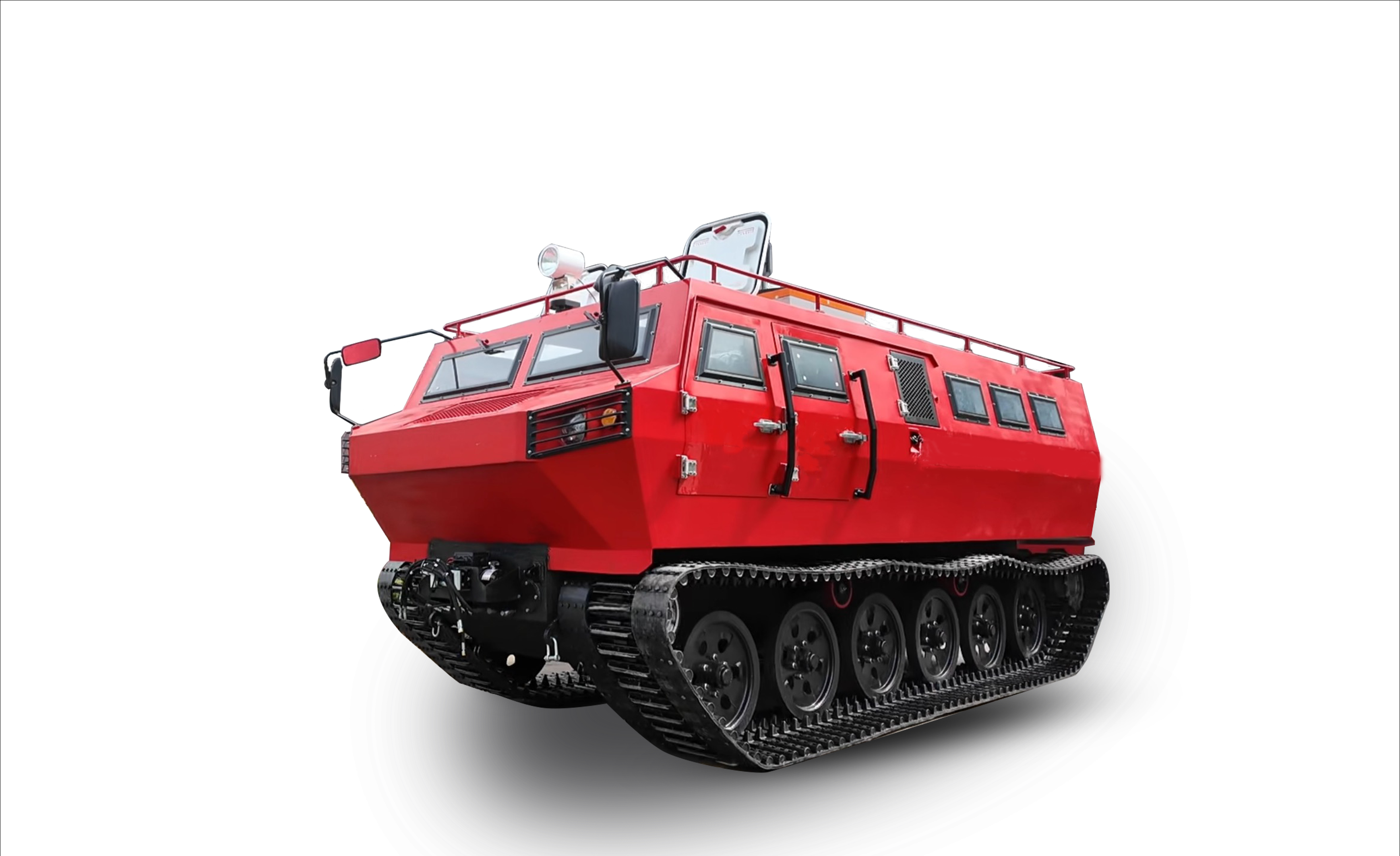
In remote areas, rough surfaces create another obstacle. Gravel roads, muddy trails, forest paths, and uneven hillsides may reduce the movement speed of standard emergency vehicles. A Wheeled All-Terrain Vehicle supports rescue work in locations where road conditions change frequently during patrol and fire response tasks.
Modern emergency work no longer depends on a single type of vehicle. Flexible transportation has become part of practical rescue planning, especially in areas with mixed terrain, dense traffic, or scattered industrial facilities.
What Makes A Firefighting Motorcycle Useful In Daily Emergency Work
A Firefighting Motorcycle is not designed to replace large fire engines. The main purpose involves fast arrival and quick field support during the early stage of an incident.
Many small fires begin in places where access conditions are difficult:
- Old residential streets
- Underground parking entrances
- Outdoor food markets
- Warehouse corridors
- Hillside villages
- Factory maintenance zones
- Tourist walkways
Large rescue trucks may need extra time to position safely. During that period, smoke can spread into stairways, nearby rooms, or public pathways.
A compact emergency motorcycle allows one or two responders to arrive earlier with portable firefighting tools. Even basic early actions can reduce risks around the scene.
Practical field tasks often include:
| Emergency Task | Practical Purpose |
|---|---|
| Checking smoke origin | Helps identify immediate danger zones |
| Carrying extinguishers | Supports early flame control |
| Guiding residents | Reduces crowd confusion |
| Blocking unsafe entry points | Protects pedestrians |
| Reporting field conditions | Helps dispatch larger support units |
| Carrying medical supplies | Assists injured individuals before ambulances arrive |
In many residential areas, rescue personnel spend valuable time searching for building entrances because parked vehicles block access roads. A Firefighting Motorcycle can move between roadside obstacles more easily and reach stairway entrances without waiting for road clearance.
Some industrial zones face similar problems. Warehouses and processing facilities often contain narrow internal roads shared by transport equipment. During an emergency, compact rescue vehicles move faster through crowded operating sections.
How Faster Access Changes Real Rescue Situations
Small fires can grow quietly before visible flames appear. Smoke usually spreads earlier than heat. In apartment buildings, residents may notice burning smells long before the source becomes visible.
During such moments, early inspection matters more than heavy equipment volume.
Imagine a kitchen fire inside a narrow residential block during evening traffic hours. Large emergency trucks may slow down because roadside parking leaves only a narrow driving path. A Firefighting Motorcycle can often enter the area sooner and allow responders to:
- Check whether flames are spreading upward
- Confirm whether elderly residents remain inside
- Use portable extinguishers around the source area
- Disconnect nearby electrical equipment
- Guide people away from smoke-filled hallways
Even several minutes of early action may help reduce confusion before larger rescue units arrive.
Road congestion creates similar problems near shopping streets and public markets. Delivery vehicles, temporary stalls, and pedestrian activity can block normal access routes.
Motorcycle-based rescue units improve movement through:
- Narrow roadside gaps
- Side entrances
- Service alleys
- Shared pedestrian roads
- Temporary construction passages
Such flexibility becomes especially useful during evening business hours when crowded conditions increase evacuation difficulty.
Rural environments present different challenges. Dirt roads may become slippery after rain. Mountain paths sometimes contain loose stones or damaged surfaces. Large emergency trucks may need to reduce speed for safety reasons.
A Wheeled All-Terrain Vehicle handles changing surfaces more effectively during patrol and inspection work. Rescue teams can carry lightweight firefighting tools into locations where larger support vehicles remain farther away.
Practical outdoor rescue work often includes:
- Checking smoke near dry vegetation
- Monitoring abandoned campfire areas
- Inspecting roadside grass fires
- Carrying water containers to isolated spots
- Transporting communication devices between patrol teams
In some cases, responders must travel beyond standard roads before reaching the affected area. Smaller all-terrain vehicles reduce physical strain during long outdoor operations.
Which Locations Benefit From Compact Rescue Vehicles
Different environments create different access problems. Compact emergency vehicles become useful mainly in areas where space, terrain, or crowd movement limit larger rescue equipment.
Narrow Residential Communities
Older neighborhoods often contain:
- Tight intersections
- Shared parking areas
- Utility poles close to roads
- Small turning spaces
- Closely connected buildings
Firefighters entering such areas may need portable equipment long before full support vehicles arrive.
A Firefighting Motorcycle allows rapid transport of:
- Hose connectors
- Portable extinguishers
- Medical kits
- Breathing masks
- Warning lights
Responders can begin evacuation guidance immediately after arrival rather than waiting outside blocked streets.
In apartment buildings, smoke spreads through stairways very quickly. Early warning and organized evacuation often reduce panic among residents unfamiliar with emergency exits.
Industrial Facilities
Factories and storage areas contain many internal movement barriers:
- Cargo containers
- Loading platforms
- Narrow maintenance roads
- Pipe corridors
- Temporary storage sections
Heavy rescue trucks may stop near the main entrance while smaller response units continue deeper inside the facility.
Portable firefighting systems carried on motorcycles help workers manage localized hazards around:
- Electrical cabinets
- Conveyor systems
- Fuel storage corners
- Ventilation rooms
- Maintenance workshops
Early field inspection also helps emergency teams identify chemical smells, blocked exits, or unstable structures before additional responders enter the area.
Forest Edge Patrol Routes
Grassland and forest-edge fires often begin in isolated spots with limited road access. Patrol personnel usually spend long hours monitoring dry vegetation and checking for smoke.
A Wheeled All-Terrain Vehicle supports movement across:
- Loose gravel
- Dirt trails
- Uneven hillsides
- Wet ground
- Fallen branches
Rescue personnel may carry water tanks, portable pumps, communication radios, and emergency lighting equipment while traveling through outdoor areas.
Long walking distances increase fatigue during patrol operations. Vehicle-assisted movement allows crews to inspect wider areas more regularly.
Highway Emergencies
Traffic accidents sometimes create secondary fire risks involving overheated engines or leaking fuel. Congested traffic slows large rescue vehicles, especially inside tunnels or elevated road systems.
Motorcycle-based emergency units can move between stopped vehicles and reach the scene earlier. Responders may then:
- Inspect smoke conditions
- Warn approaching drivers
- Isolate hazardous areas
- Carry portable extinguishers toward damaged vehicles
- Assist injured passengers before ambulance arrival
Quick scene organization helps reduce traffic confusion during crowded road conditions.
How Equipment Layout Affects Rescue Efficiency
Space inside a Firefighting Motorcycle remains limited compared with large emergency trucks. Equipment arrangement therefore becomes very important during field operations.
Poor storage design wastes valuable time during emergencies. Responders should reach tools quickly without unpacking unnecessary equipment first.
Practical layout principles often include:
| Remote Rescue Challenge | Practical Response Support |
|---|---|
| Narrow dirt roads | Flexible vehicle movement |
| Loose ground surfaces | Improved traction stability |
| Long patrol distance | Reduced physical fatigue |
| Limited lighting | Portable emergency lamps |
| Isolated fire spots | Faster early inspection |
| Blocked access paths | Alternative route navigation |
Field responders often work under smoke, noise, and crowd pressure. Organized equipment placement reduces unnecessary movement around the vehicle.
Communication tools also play a large role during emergency response. Early responders usually provide updates regarding:
- Smoke density
- Fire spread direction
- Building entry conditions
- Presence of trapped individuals
- Access restrictions for larger vehicles
Accurate information helps dispatch teams prepare suitable support equipment before arrival.
Night operations create additional safety concerns. Poor visibility increases accident risks for both responders and pedestrians. Emergency motorcycles commonly use reflective markings and warning lights to improve roadside awareness.
Outdoor rescue work places extra stress on equipment. Dust, rainwater, mud, and vibration can damage poorly protected tools during long patrol operations. Protective storage compartments help maintain equipment readiness across changing weather conditions.
Compact rescue vehicles depend heavily on practical organization rather than carrying capacity alone.
How Mobility Supports Emergency Teams In Different Weather Conditions
Weather changes often create more problems for rescue crews than people expect. Firefighters do not always work on dry roads under clear skies. Rainwater, dust, wind, mud, and darkness affect driving safety, equipment handling, and response speed every day.
During heavy rain, many city streets collect water near underground parking entrances, old drainage systems, and low road sections. Large emergency trucks sometimes reduce speed before entering flooded streets because deep water may hide potholes or damaged pavement. A Firefighting Motorcycle can move through narrow side roads and approach building entrances more carefully with lighter weight and smaller turning space.
In residential areas, wet roads also increase the danger of electrical accidents. Water may enter damaged power boxes or exposed cables after storms. Early responders arriving on compact rescue vehicles often inspect:
- Smoke near roadside electrical cabinets
- Sparks around utility poles
- Burning smells inside flooded parking garages
- Water leakage near elevator equipment rooms
Such inspections help prevent residents from walking into unsafe areas before power technicians arrive.
Strong wind creates another common risk during dry weather. In suburban districts and farming areas, burning leaves or outdoor cooking flames may spread toward roadside grass within minutes. Wind can also carry sparks onto wooden fences, plastic storage sheds, or dry bushes.
A Wheeled All-Terrain Vehicle helps patrol teams move across rough outdoor paths where paved roads are unavailable. Rescue crews often check:
| Outdoor Patrol Area | Common Fire Risk |
|---|---|
| Forest edge trails | Dry leaves and hidden embers |
| Farm roads | Burning crop waste |
| Hillside paths | Wind-driven sparks |
| Campsite entrances | Unattended cooking fires |
| Utility routes | Damaged outdoor cables |
Practical patrol work reduces the chance of small outdoor fires spreading unnoticed.
Night operations bring another layer of difficulty. Smoke becomes harder to identify in dark conditions, especially near abandoned buildings or industrial yards. Fallen branches, broken road edges, and loose stones may also block narrow roads after storms.
Compact rescue motorcycles equipped with portable search lamps help responders inspect dark corners, alley entrances, and roadside obstacles without waiting for larger lighting systems. In crowded public areas, warning lights guide pedestrians away from dangerous zones during evacuation.
People often focus only on fire suppression during emergencies. Real rescue work also includes road safety, crowd guidance, electrical hazard inspection, and rapid communication under changing weather conditions.
How Firefighting Motorcycles Assist Before Large Rescue Units Arrive
Large fire engines carry heavy hoses, water tanks, ladders, and breathing equipment. Such vehicles remain necessary for serious fires and long rescue operations. A Firefighting Motorcycle handles a different task. Early arrival becomes the main purpose.
In many real situations, several minutes pass before large rescue vehicles reach the exact location. Traffic congestion, roadside parking, delivery trucks, and blocked entrances often slow movement in crowded districts.
During that time, conditions around the fire scene may already change.
Smoke may spread into hallways. Pedestrians may gather too close to damaged equipment. Vehicle owners sometimes attempt to move burning cars without proper tools. Small flames near electrical systems may grow larger after contact with plastic materials or stored goods.
Early responders on compact rescue vehicles help control confusion before larger teams arrive.
A common example involves smoke coming from roadside electrical cabinets. Many people assume light smoke is harmless and continue walking nearby. Motorcycle-based responders can quickly isolate the area, stop pedestrians from approaching damaged equipment, and inspect whether nearby cables are overheating.
Portable firefighting tools carried on smaller emergency vehicles are often used for:
- Electrical cabinet fires
- Burning trash containers
- Small roadside grass fires
- Overheated delivery vehicles
- Outdoor cooking equipment accidents
- Smoke from temporary generators
Quick response helps reduce the possibility of fire spreading toward nearby shops or parked vehicles.
Warehouse districts present another practical challenge. Large storage buildings may contain several sections connected by internal roads. Smoke visible from outside does not always show the exact fire location.
A Firefighting Motorcycle moves through narrow warehouse lanes faster than heavy trucks. Early responders can inspect loading areas, ventilation rooms, and storage corners while reporting conditions back to dispatch teams.
Field communication usually includes:
- Which entrance remains usable
- Whether smoke blocks stairways
- Presence of fuel containers nearby
- Safe parking positions for large fire engines
- Areas requiring evacuation support
Clear information saves time for incoming rescue crews.
In apartment neighborhoods, compact emergency units also assist residents unfamiliar with evacuation procedures. Older adults, children, and visitors may panic after hearing alarms or smelling smoke. Early responders help direct people toward safer exits before conditions worsen.
Practical rescue work often depends on small actions completed early rather than large operations started late.
Why Daily Patrol Work Matters In Fire Prevention
Many fire hazards appear long before open flames become visible. Loose electrical wires, overloaded temporary sockets, damaged cooking equipment, and dry roadside vegetation may remain unnoticed during busy daily activity.
Regular patrol work helps emergency teams identify risks before emergency calls begin.
A Firefighting Motorcycle supports patrol operations because responders can stop frequently, inspect small areas, and continue moving without requiring large parking space. Daily inspection routes usually cover places where heat sources, electrical systems, or crowded activity increase fire risk.
Common patrol locations include:
- Food streets with outdoor cooking equipment
- Public markets using temporary wiring
- Construction areas with welding activity
- Parking zones containing charging equipment
- Forest-edge roads during dry weather
- Fuel storage corners near industrial sites
In practical situations, firefighters often discover blocked emergency exits during routine patrols. Shop owners may temporarily place goods near stairways or lock side doors to prevent theft. During a fire, blocked exits create dangerous evacuation delays.
Patrol personnel also inspect fire extinguisher placement in crowded areas. Extinguishers hidden behind storage boxes or damaged by weather become difficult to use during emergencies.
Industrial patrol work focuses heavily on temporary hazards created during maintenance operations. Workers sometimes place fuel containers beside hot equipment or stretch electrical cables across busy walkways. Rescue teams checking such conditions help reduce avoidable risks.
Public event locations require even more frequent inspection because crowd movement changes constantly. Patrol teams often monitor:
| Patrol Inspection Item | Safety Purpose |
|---|---|
| Emergency exit access | Keeps evacuation routes open |
| Temporary cooking areas | Reduces overheating risks |
| Generator placement | Prevents smoke buildup |
| Cable arrangement | Lowers trip and fire hazards |
| Crowd density zones | Helps emergency movement |
A Wheeled All-Terrain Vehicle becomes useful during outdoor patrol work covering larger natural areas. Walking inspections across hillsides or dirt roads consume physical energy quickly, especially under hot weather.
Vehicle-assisted patrols allow responders to:
- Carry extra water containers
- Transport portable extinguishers
- Reach remote inspection points faster
- Continue patrol work for longer periods
- Respond quickly after smoke reports
In farming regions, patrol crews sometimes inspect abandoned burn piles or damaged utility poles after windy weather. Early detection prevents small heat sources from spreading across dry vegetation.
Fire prevention often depends on observation, movement, and repeated inspection rather than emergency response alone.



 浙ICP备2022029871号