
How Do Buyers Compare Transport Vehicles Options?
A Category That Spans More Than It Seems
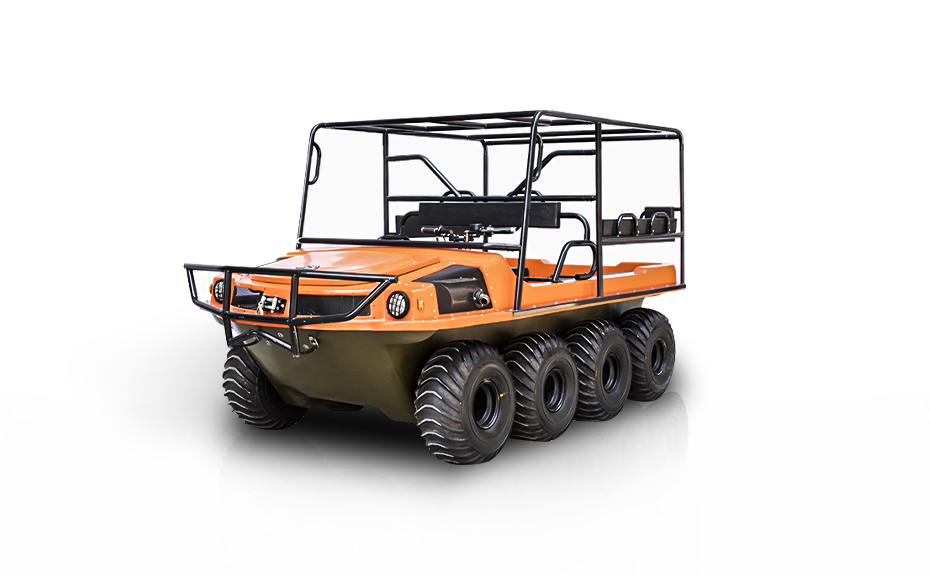
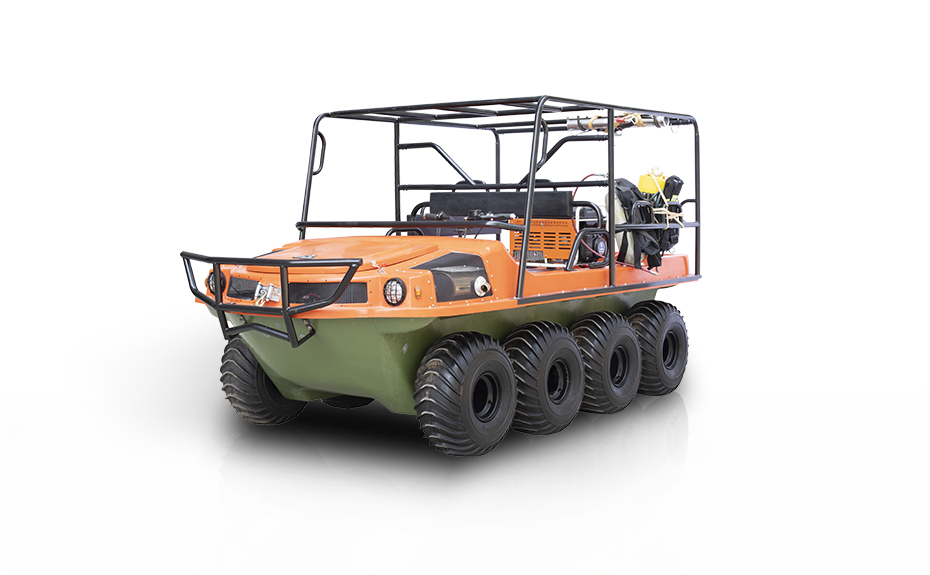
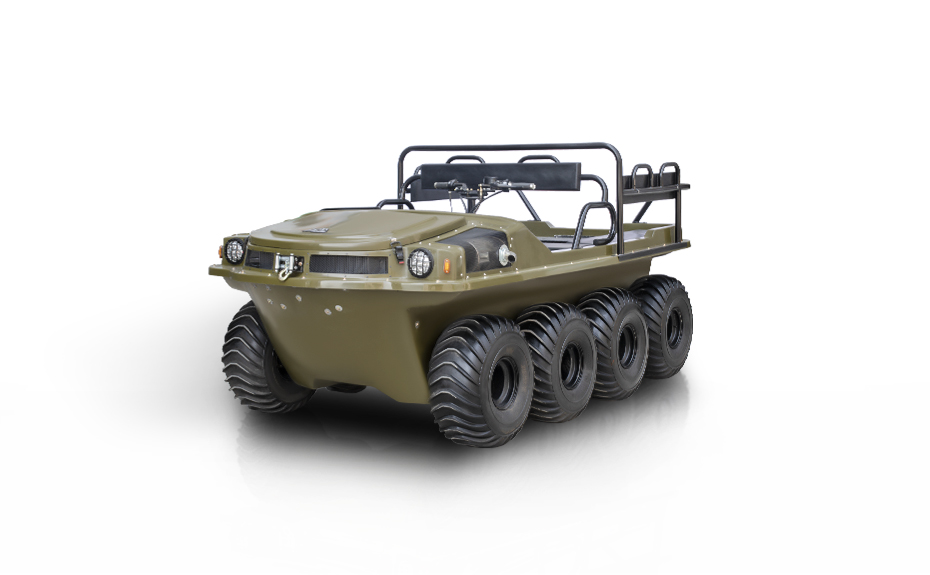
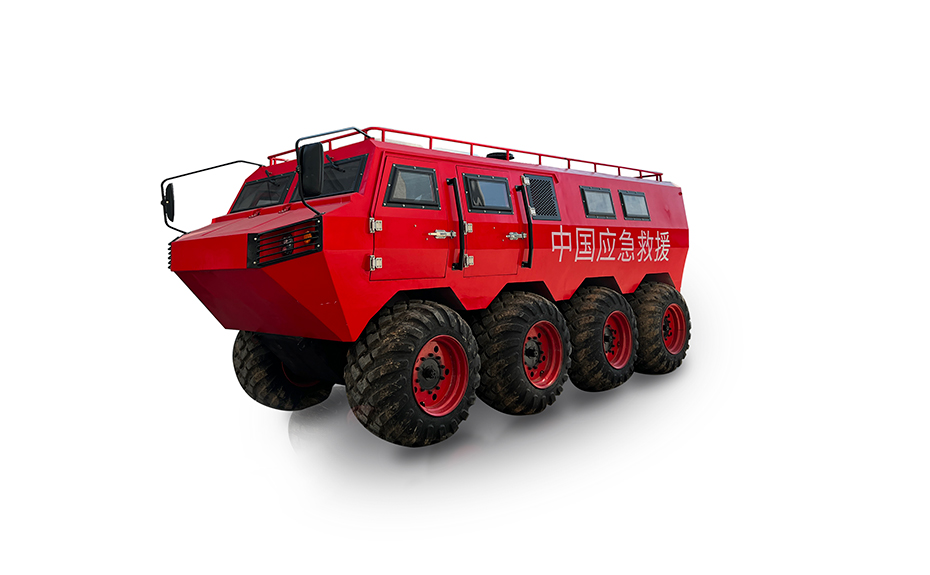
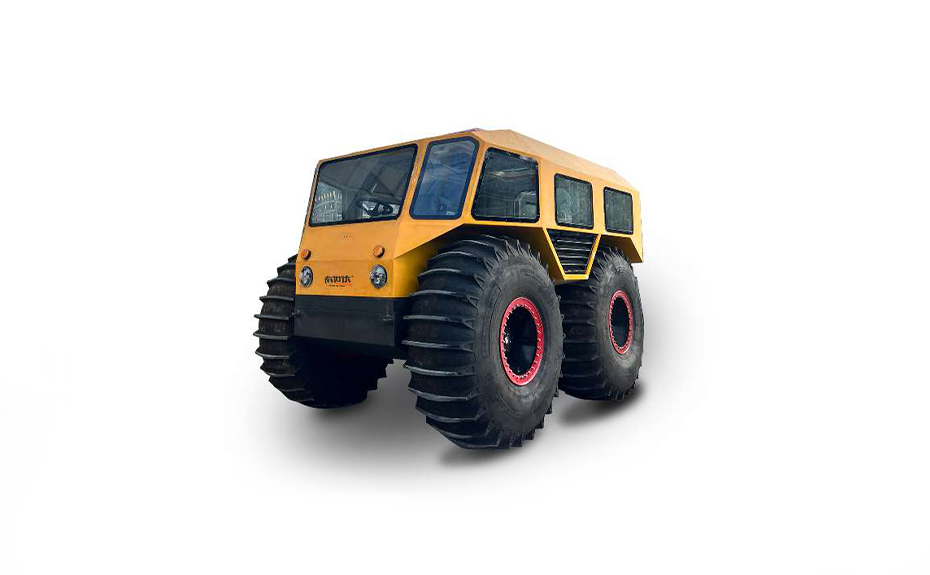
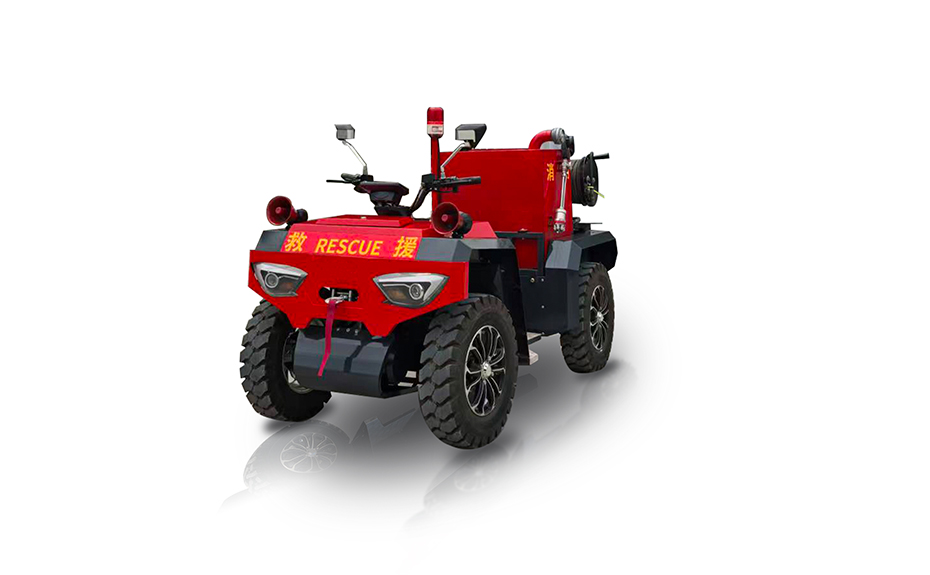
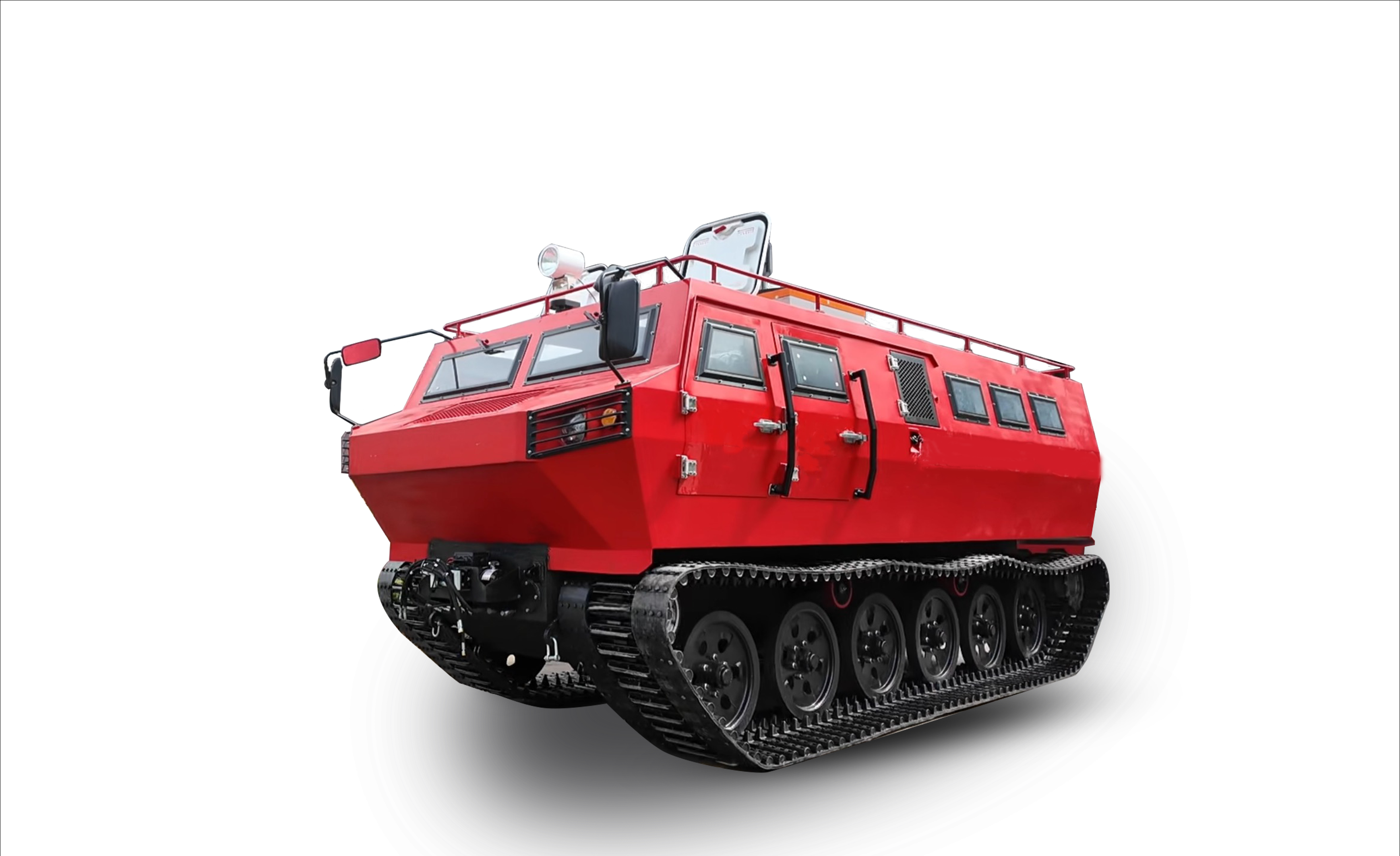
Transport vehicles, as a sourcing category, cover everything from short-distance utility carts to heavier-duty haulers built for continuous industrial use. Some are designed purely for indoor movement—warehouse floors, factory corridors, distribution centers. Others are built for outdoor terrain, moving goods across yards, construction sites, or between separate facility buildings.
The differences aren't just cosmetic. A vehicle meant for smooth concrete floors handles very differently than one built to cross gravel or uneven ground. Load capacity, turning radius, and power source (electric versus fuel-driven) all shift depending on where the vehicle is meant to operate. Buyers who treat the category as a single, interchangeable product line tend to run into mismatches once the equipment actually hits the floor.
Where the Demand Is Coming From
Warehousing and distribution account for a large share of interest, unsurprisingly, given how much internal movement those operations require on a daily basis. But manufacturing plants are a close second—moving raw materials from receiving docks to production lines, then shifting finished goods toward shipping areas. Construction and agricultural operations round things out, often looking for something rugged enough to handle rough terrain without needing a full-sized truck.
Distributors report that mid-sized manufacturers, in particular, have been expanding their transport vehicles catalogs over the past couple of years. Part of it seems tied to labor considerations—fewer workers available for manual material movement means more reliance on equipment that can shuttle loads without constant supervision.
Application Scenarios Worth Noting
- Warehouse and distribution centers: internal pallet movement, order staging, dock-to-shelf transfers
- Manufacturing facilities: moving materials between production stages, clearing finished goods
- Construction sites: hauling materials across uneven or temporary terrain
- Agricultural operations: transporting supplies or harvested goods across open land
- Campus and facility settings: hospitals, universities, large event venues moving equipment or supplies internally
Each scenario pulls toward a different vehicle type, which is part of why suppliers offering a genuinely wide product range tend to attract more repeat buyers than those specializing narrowly.
Features That Come Up in Sourcing Conversations
A handful of specs show up again and again when buyers compare transport vehicles from different manufacturers:
- Load capacity and bed or platform dimensions
- Power source—electric, gas, or diesel—depending on indoor versus outdoor use
- Turning radius, especially relevant for tight warehouse aisles
- Speed range, since some environments call for slower, more controlled movement
- Operator configuration, whether stand-up, sit-down, or walk-behind
None of these specs exist independently of the others. A vehicle with a wide turning radius but a good load capacity might still be the wrong fit for a warehouse with narrow aisles, for instance. Buyers who work through these tradeoffs early tend to end up with fleets that actually match their daily operations instead of forcing operations to bend around whatever equipment happened to be available.
OEM and ODM Considerations
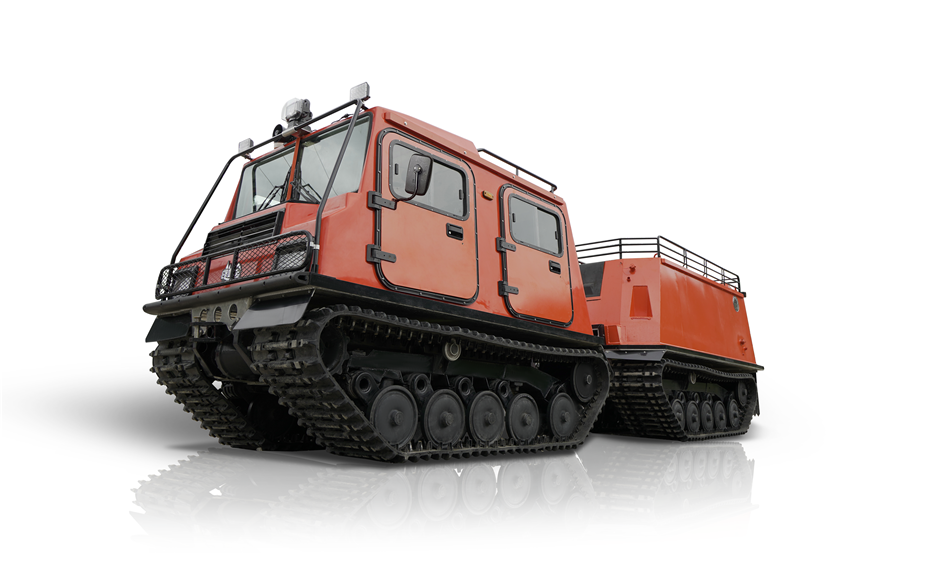
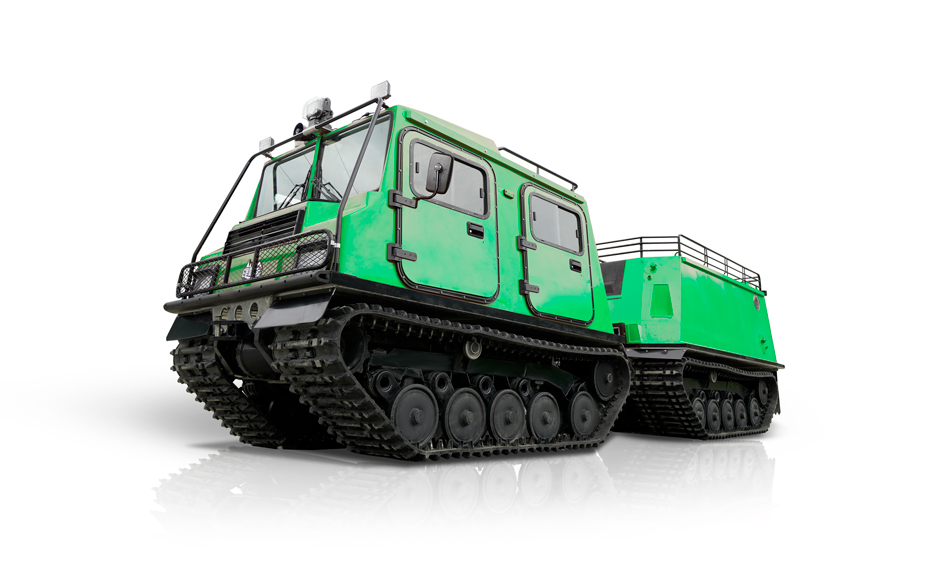
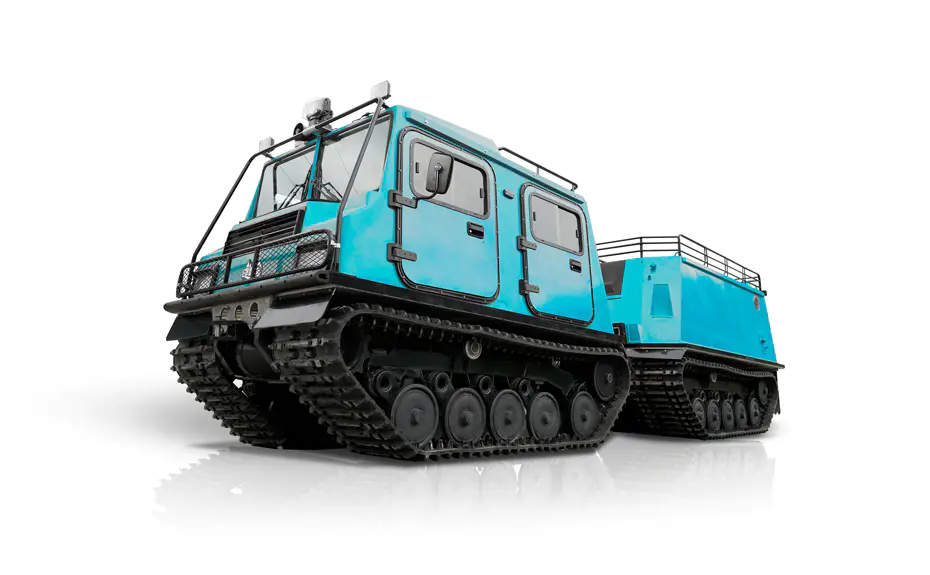
Manufacturers producing transport vehicles for export markets frequently accommodate spec adjustments—battery capacity for electric models, bed configurations, or branding elements for private-label orders. Buyers running larger fleets sometimes request standardized configurations across multiple vehicle types, which some factories can coordinate more smoothly than others depending on their production setup.
Smaller customization requests, like paint color or basic branding, are usually handled without much back-and-forth. Structural modifications—altered load capacity, different wheelbase configurations—typically require longer times and more detailed technical discussion before a factory commits to production.



 浙ICP备2022029871号