
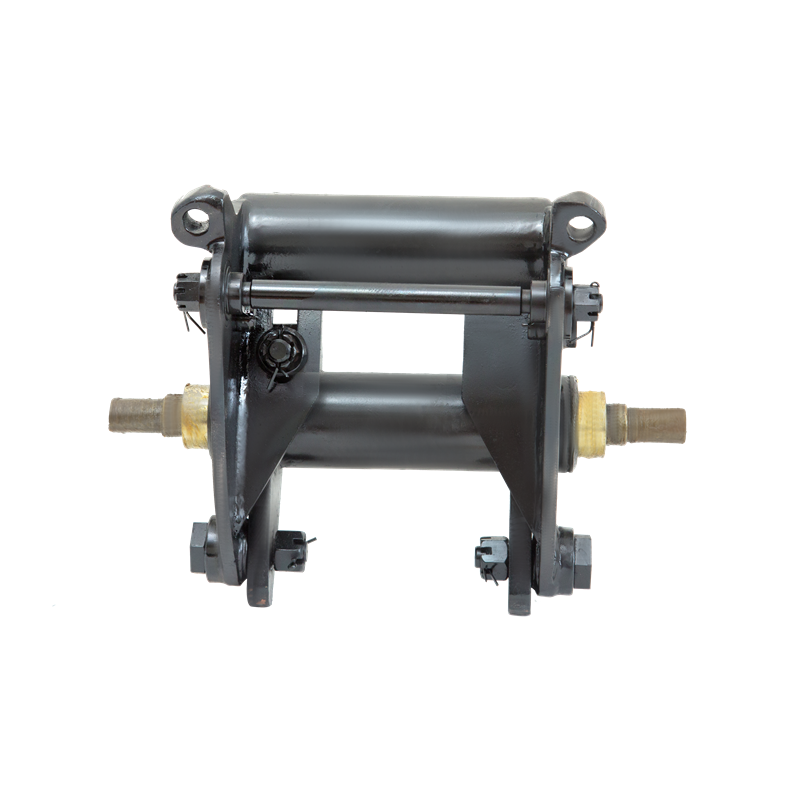
Lawn Mower Walking System Enhances Outdoor Equipment
Mobility Becomes a Key Focus in Lawn Equipment
The Lawn mower walking system has become an important component in modern mowing equipment, influencing how efficiently machines move across different types of terrain. Whether used in residential gardens, public landscapes, sports fields, or agricultural properties, the walking system directly affects stability, maneuverability, and operator control.
As manufacturers continue refining outdoor power equipment, greater attention is being given to drive mechanisms, wheel configurations, and transmission layouts. Instead of relying only on engine performance, designers are improving how power is transferred to the wheels, allowing mowing machines to move smoothly over grass, slopes, and uneven ground.
Drive Systems Deliver Consistent Movement
A well-designed Lawn mower walking system depends on efficient power transmission. The engine or electric motor supplies driving force, which is transferred through belts, gears, shafts, or integrated transmission units before reaching the wheels.
Many walk-behind lawn mowers now use self-propelled drive systems that reduce the effort required from the operator. Adjustable travel speeds allow users to match machine movement with mowing conditions, improving control when working on different grass densities or varying terrain.
Some commercial equipment adopts hydrostatic transmissions that provide smooth speed adjustment without requiring multiple gear changes. Other models continue using mechanical transmissions because of their straightforward structure and dependable performance.
The choice of transmission system depends on the intended application, machine size, and desired driving characteristics.
Wheel Design Influences Terrain Performance
Wheel engineering plays an important role in the effectiveness of the Lawn mower walking system. Manufacturers carefully select wheel diameter, tread pattern, and material composition to improve traction across different surfaces.
Larger rear wheels are commonly used to help machines travel over uneven ground while maintaining steady movement. Front wheels are often designed to provide responsive steering during turns around trees, flower beds, and landscape features.
Rubber compounds and tread designs are selected to improve grip while allowing smooth rolling on grass and compact soil. Some commercial machines also feature reinforced wheel hubs and heavy-duty bearings that support frequent operation in demanding environments.
Balanced wheel design contributes to stable machine movement and predictable handling throughout the mowing process.
Manufacturing Improves Component Precision
The increasing sophistication of the Lawn mower walking system has encouraged manufacturers to adopt more advanced production methods. Precision machining produces transmission gears, axle shafts, drive hubs, and bearing assemblies with consistent dimensions.
Steel components are processed using CNC equipment before receiving surface treatments that improve appearance and durability. Die-cast aluminum housings are widely used for gearboxes because they combine structural strength with relatively low weight.
Assembly lines integrate automated equipment and manual inspection during production. Critical components, including drive shafts, wheel assemblies, transmission units, and control linkages, are tested individually before being installed into complete mowing equipment.
Manufacturers also perform functional testing to verify wheel movement, transmission engagement, steering response, and overall drive performance before products leave the factory. These production processes support reliable operation across different mowing applications.
Operator Comfort Shapes Product Development
Alongside mechanical performance, manufacturers continue refining the user experience offered by the Lawn mower walking system. Comfortable machine handling has become an important factor for both residential users and professional landscaping crews.
Several design improvements are becoming increasingly common:
- Adjustable walking speed controls
- Ergonomic drive engagement levers
- Balanced machine weight distribution
- Large traction wheels for improved mobility
- Compact transmission layouts
- Responsive steering characteristics
These features help operators guide the mower smoothly around obstacles while maintaining consistent travel speed. Well-balanced equipment also allows easier turning and improved control in confined working areas.



 浙ICP备2022029871号