
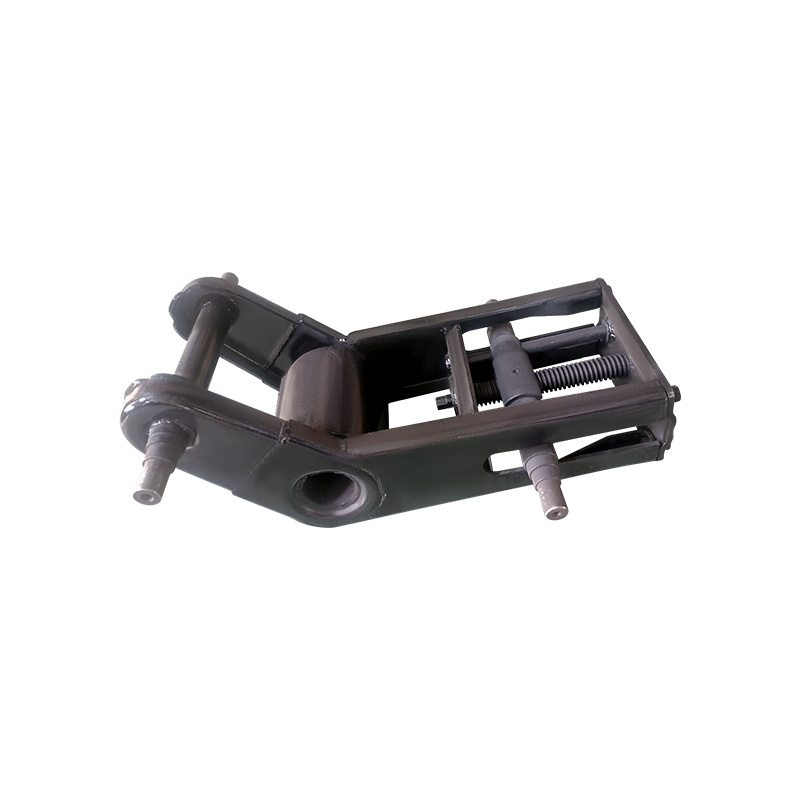
Mechanical Parts Build The Undercarriage System
A Track Is Never Just A Track
Look at a tracked vehicle from the outside and the rubber track may seem like the main mechanical element. Inside that moving loop, however, there is a much more complicated relationship between wheels, arms, springs, sprockets, tensioning components, hubs, and the chassis.
These Mechanical parts do not operate as isolated pieces. Each component has a particular position in the movement system, and a change in one part can influence how the surrounding components behave.
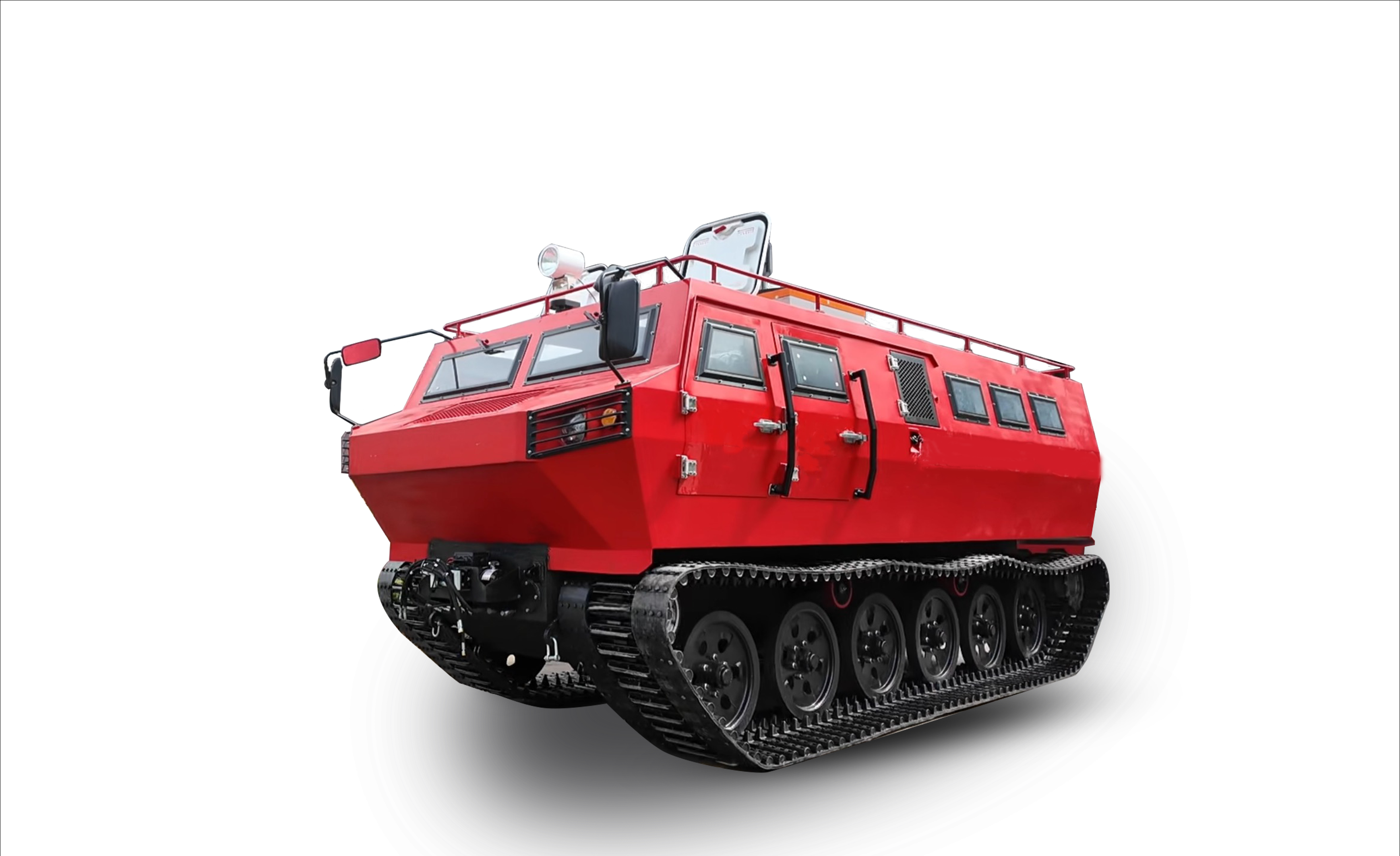
This is particularly noticeable on tracked utility vehicles designed for grass, mud, slopes, snow, sand, and other uneven surfaces. The track has to move around the vehicle while supporting the weight of the machine at the same time.
The Drive Sprocket Starts The Movement
Among the Mechanical parts inside a tracked system, the drive sprocket has a direct connection to propulsion.
The sprocket engages the track and transfers rotational movement into track movement. As it turns, the track travels around the undercarriage, allowing the vehicle to move forward or backward.
Its position also creates a connection between the drivetrain and the rest of the track assembly. The hub connects the rotating section to the vehicle structure, creating another mechanical interface that has to match the intended assembly.
This explains why a drive sprocket cannot simply be considered an independent replacement component. Its dimensions and engagement pattern need to correspond to the track system around it.
Road Wheels Carry A Different Job
The drive sprocket creates movement, but road wheels have another task.
Road wheels support the vehicle along the lower section of the track. Instead of concentrating the vehicle's weight around one point, multiple wheels distribute the load along the track assembly.
That arrangement becomes useful when the vehicle crosses uneven terrain. As the track moves over bumps and depressions, individual wheels interact with different sections of the ground-facing track.
The relationship between road wheels and the track also influences how the vehicle feels during movement. Wheel diameter, spacing, suspension movement, and track geometry all become connected design considerations.
Swing Arms Add Movement To The Suspension
A rigid wheel mounting arrangement would have difficulty following uneven ground. Swing arms provide controlled movement between the wheel assembly and vehicle structure.
When a wheel encounters a change in terrain, the arm can move relative to the chassis. The suspension system can therefore respond to changes in ground height instead of forcing the entire vehicle structure to follow every surface variation directly.
This is one reason Mechanical parts in a tracked vehicle are easier to understand as a system rather than a collection of unrelated products.
The rocking arm, swing arm, spring, wheel, and track all influence one another.
Springs Connect Movement And Load
A torsion spring is another example of a relatively small component playing a role inside a larger mechanical arrangement.
Springs can provide a controlled response as suspension components move. In a tracked undercarriage, this allows the wheel assembly to react to changing terrain while remaining connected to the vehicle frame.
The exact configuration depends on the vehicle design. Different platforms may use different spring positions, arm arrangements, and wheel layouts.
For manufacturers, this means the geometry between individual Mechanical parts can be just as important as the material used to make them.
The Interesting Part Is How Everything Connects
The real story behind Mechanical parts is not any single component.
A drive sprocket transfers movement. Road wheels carry the vehicle. Support wheels guide the track. Swing arms allow movement. Springs respond to changing loads. Tensioning components maintain the intended track position.
Put together, these parts create the mechanical system that allows a tracked vehicle to move across surfaces where ordinary wheel arrangements can become difficult to use.
That interaction is what makes tracked vehicle engineering interesting. The components may look simple when placed separately on a workbench, but once installed together, each one becomes part of a much larger mechanical chain.



 浙ICP备2022029871号