
Mechanical Parts Shape Next-Gen Terrain Vehicles
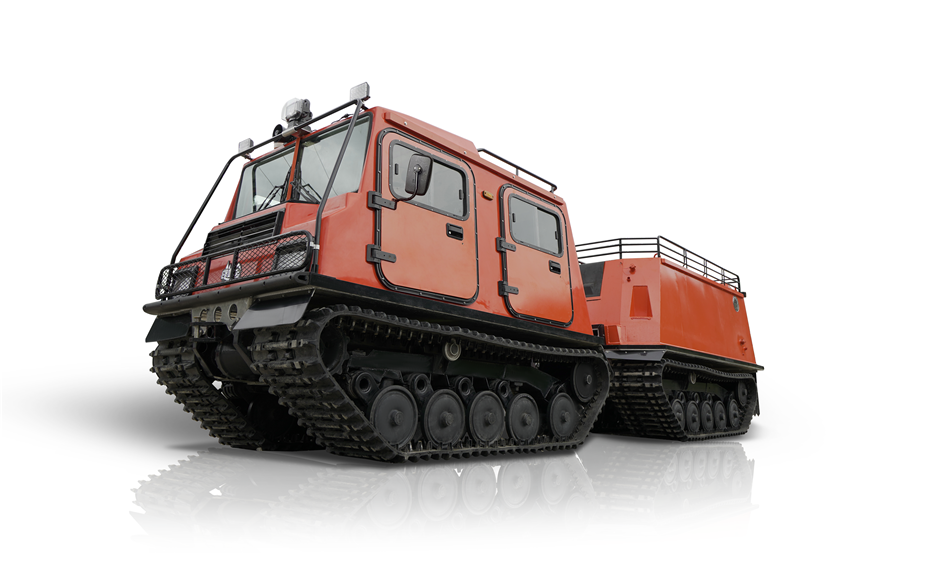
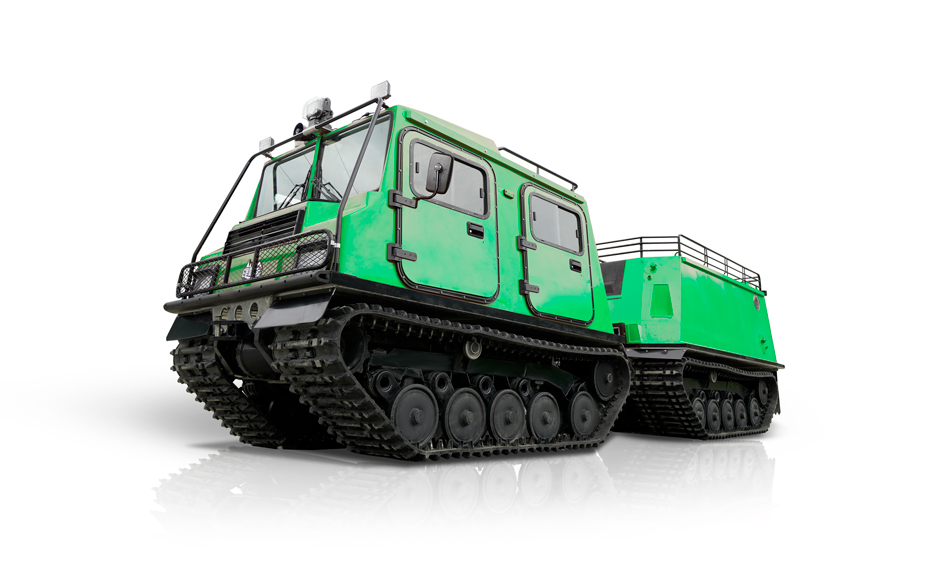
Beneath the rugged exterior of modern tracked utility terrain vehicles lies a sophisticated world of mechanical parts that has transformed these machines from basic transporters into essential, multifunctional tools. The evolution of these core mechanical components—the gears, tracks, frames, and specialized attachments—is not merely an engineering story but a direct response to expanding industry demands and technological possibilities. From agriculture and construction to specialized rescue operations, the ongoing refinement of these mechanical parts continues to push the boundaries of where these vehicles can operate and what they can achieve, supporting a global market valued in the billions of dollars annually.
How Are Core Mechanical Parts Applied Across Industries?
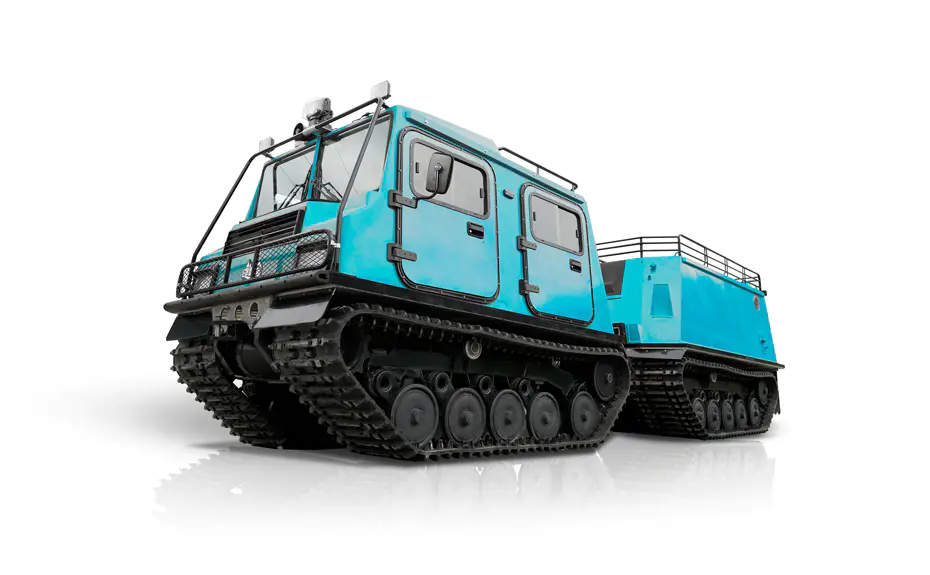
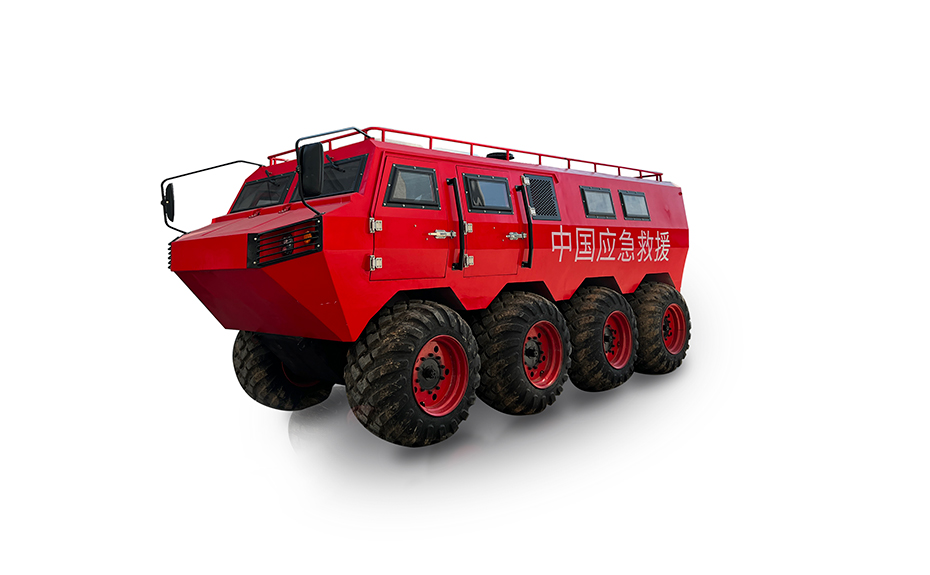
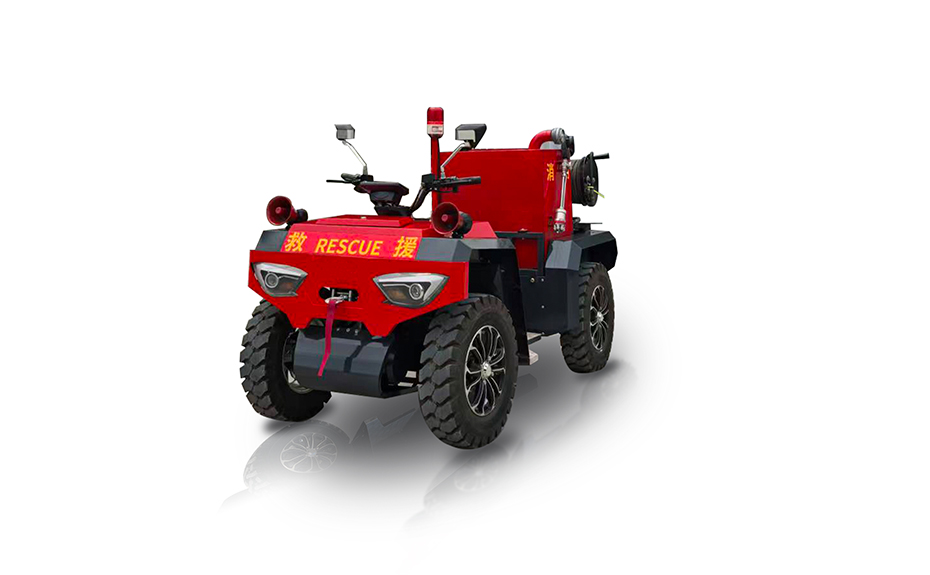
The versatility of tracked utility terrain vehicles is unlocked entirely by their adaptable mechanical parts. In forestry, robust subframes and heavy-duty winch systems allow vehicles to navigate dense, uneven terrain for extraction work. For agricultural applications, specialized mechanical interfaces enable the mounting of tillers, seeders, or sprayers, converting a transport platform into a mobile field implement. In disaster response and firefighting, quick-attach mechanisms for plows, pumps, and personnel cabs are critical mechanical parts that allow for rapid reconfiguration. This application-specific customization is a primary market driver, with industry analysts noting consistent growth in demand for vehicles that can be tailored to niche professional uses. The design and durability of these mechanical parts directly determine the vehicle's operational uptime and return on investment, making their reliability a cornerstone of commercial viability in sectors where equipment failure is not an option.
How Has the Technology of These Mechanical Parts Evolved?
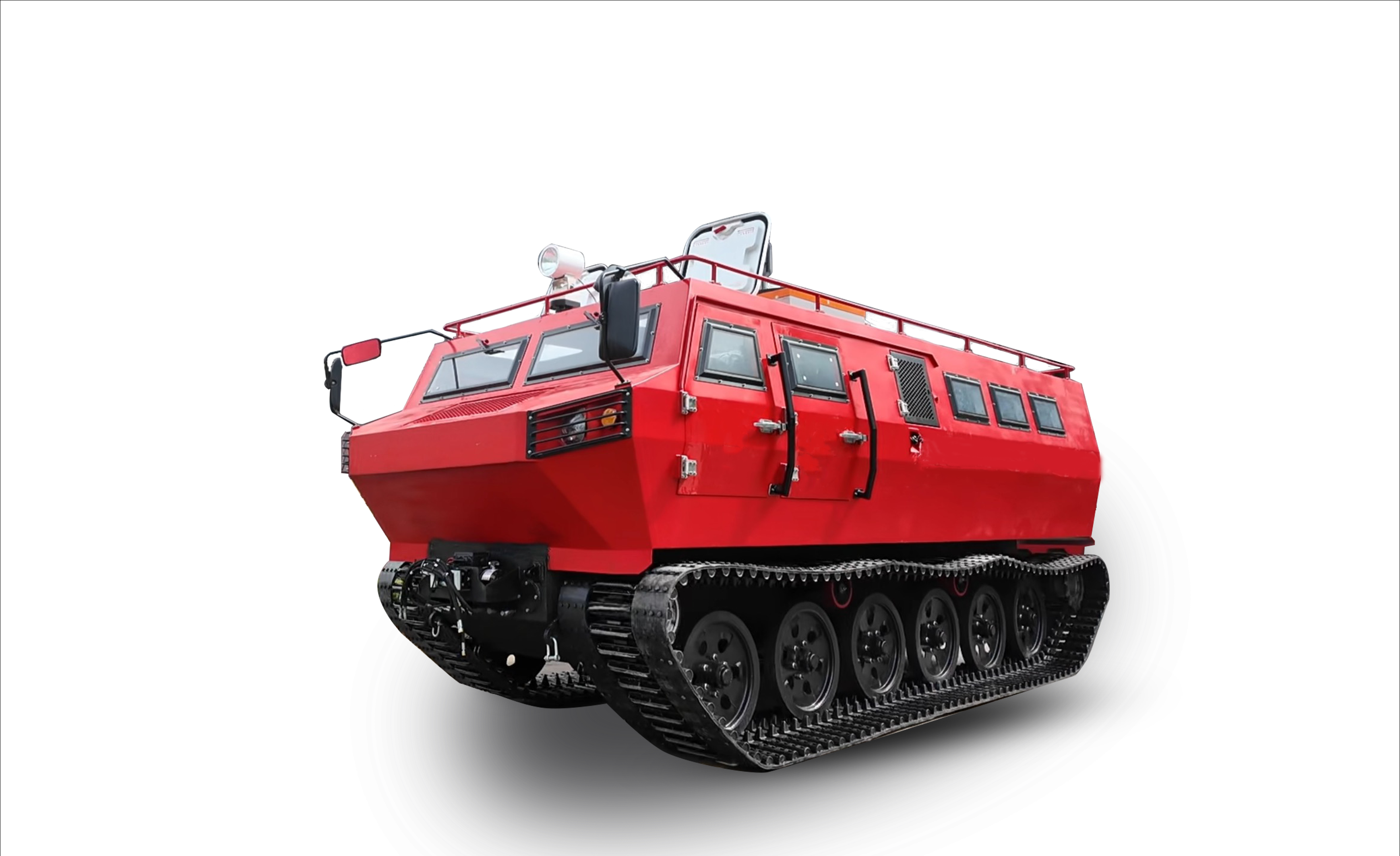
The technological evolution of mechanical parts for these vehicles has been marked by a shift from purely mechanical strength to intelligent, integrated system design. Early systems relied on simple gear reductions and rigid track systems. Today, advanced hydrostatic transmissions provide smoother power delivery and easier control, while independent suspension systems with torsion axles improve ride quality and traction on rough ground. A key evolution is seen in track technology itself, with the development of rubber composite tracks that offer improved flotation, reduced ground pressure—often achieving figures below 2 psi—and less damage to sensitive surfaces compared to traditional steel tracks. Furthermore, the integration of electronic control units with mechanical systems has allowed for features like programmable throttle response and hill descent control, enhancing both performance and safety through smarter management of core mechanical parts.
What Does the Future Hold for Innovation in These Parts?
The future of mechanical parts for tracked utility terrain vehicles is being shaped by trends toward electrification, autonomy, and advanced materials. The gradual shift to electric powertrains will fundamentally redesign core mechanical parts like drivetrains, replacing complex gearboxes with simpler, high-torque electric motor assemblies directly at the wheel hubs. This evolution promises significant reductions in maintenance for these key mechanical parts. Innovations in material science are pilot to the use of carbon fiber composites and advanced alloys to create stronger, lighter structural components, improving payload capacity and energy efficiency. Looking ahead, the development of modular attachment systems with automatic hydraulic and electrical coupling will enable even faster field reconfiguration. Simultaneously, the integration of sensor technology directly into mechanical parts—such as load sensors in axles or temperature monitors in bearings—will enable predictive maintenance, small unplanned downtime and ushering in an era of data-driven mechanical reliability.
The mechanical parts of tracked utility terrain vehicles form the dynamic foundation upon which their utility is built. Their ongoing evolution from brute-force components to intelligent, application-specific systems reflects the growing sophistication of the industries they serve. As innovation continues to drive developments in electrification, materials, and digital integration, these core mechanical parts will become even more efficient, durable, and integral to tackling the world's many demanding tasks in agriculture, industry, and emergency response, ensuring these vehicles remain indispensable assets for years to come.
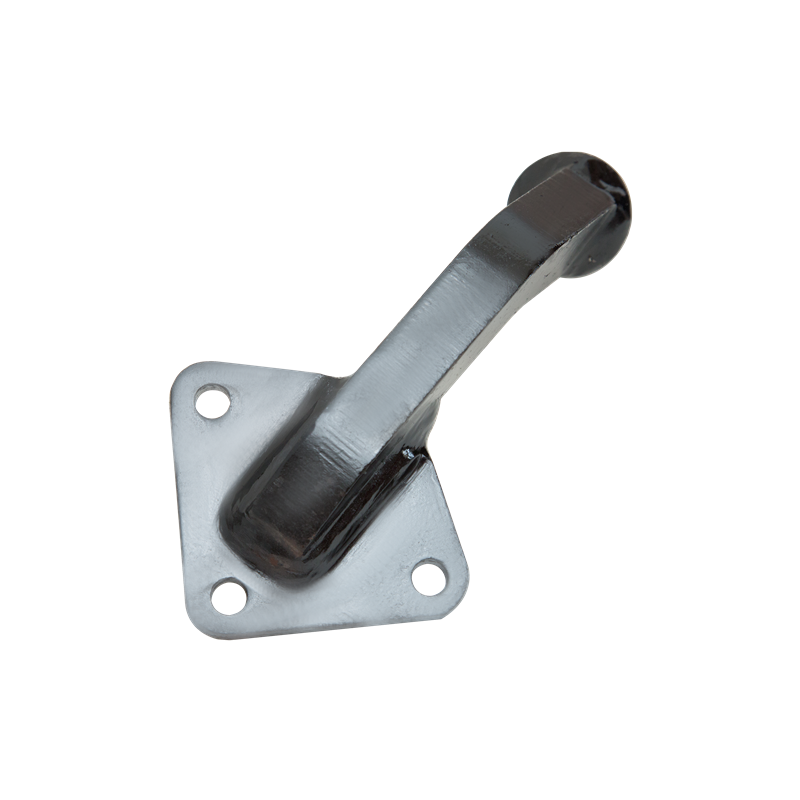
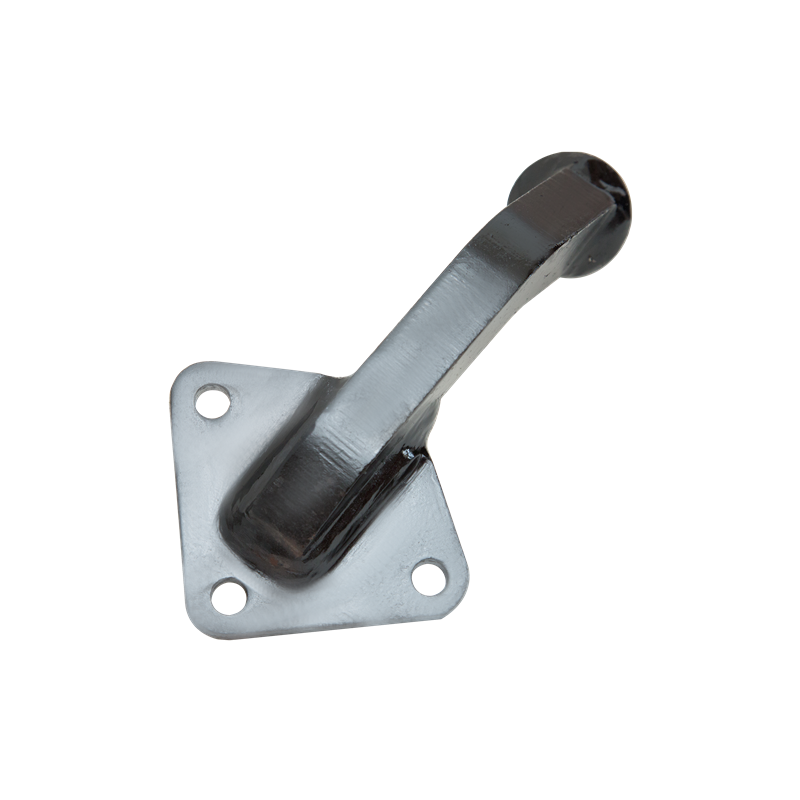
The Support Wheel Arm from LINHAI HAISDER MACHINERY CO.,LTD is a structural component designed to securely mount and position support wheels on various types of machinery. This durable arm, typically fabricated from high-strength steel, provides a rigid and adjustable linkage between the equipment frame and the support wheel, ensuring ideal weight distribution and ground clearance. It features reinforced pivot points and mounting brackets for reliable attachment, enhancing the stability, balance, and maneuverability of agricultural equipment, industrial carts, and material handling systems. Its robust construction ensures long-term durability and consistent performance under heavy loads.



 浙ICP备2022029871号