
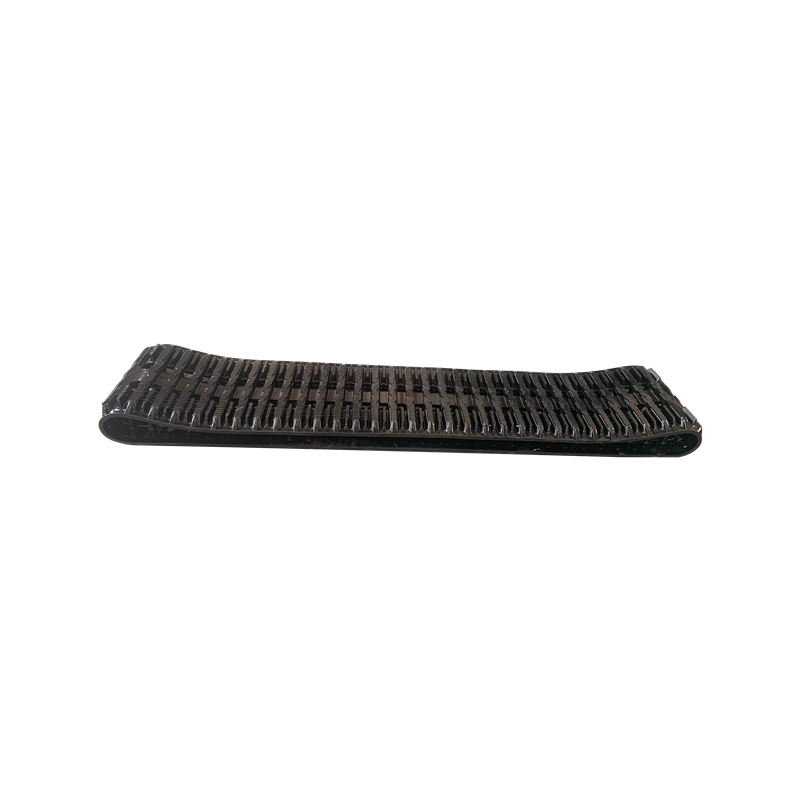
Robot Tracks Bring Stability to Mobile Machines
A mobile robot needs more than motors and sensors to move through a challenging environment. Its contact with the ground determines how it handles uneven surfaces, loose materials, slopes, and obstacles. Robot tracks provide a continuous contact surface that helps distribute machine weight and maintain traction across different types of terrain.
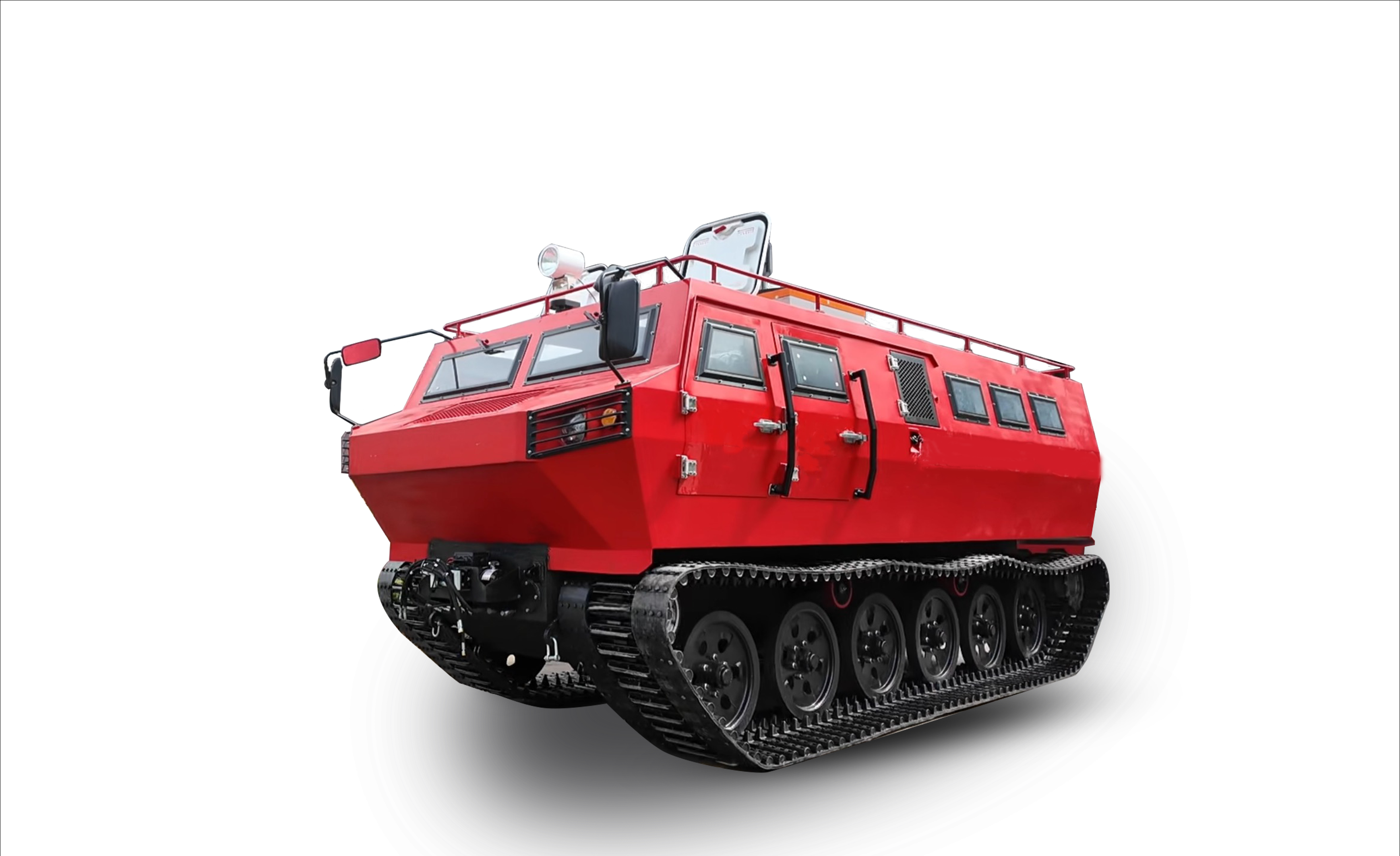
Unlike wheeled systems, tracked robots use linked belts or track assemblies that move around wheels and support components. This design appears in industrial inspection robots, agricultural machines, construction equipment, and unmanned platforms. Choosing a suitable track system involves understanding the terrain, machine weight, drive mechanism, and intended working conditions.
Why Do Some Robots Use Tracks Instead of Wheels?
Wheels work well on many smooth, firm surfaces, but their performance can change when a robot encounters loose soil, gravel, mud, or uneven ground. A tracked system spreads the machine's weight across a longer contact area, which can help reduce localized ground pressure.
This feature can be useful when a robot needs to travel across surfaces with changing levels or limited traction. The continuous belt also allows the drive system to engage with the ground along a broader section of the machine.
However, tracks do not automatically suit every mobile robot. Wheeled platforms may be more appropriate for applications that prioritize compact turning movements, speed on smooth floors, or a simpler chassis layout. The decision depends on the working environment and the machine's primary tasks.
How Do Track Dimensions Affect Mobility?
Track width and overall contact length influence how a robot interacts with the ground. A wider track can distribute the load across a larger area, although the actual result depends on machine weight, track tension, and the shape of the contact surface.
The length of the track assembly also affects stability and the robot's ability to cross certain obstacles. A longer contact area may help the platform maintain ground contact over uneven terrain, while a compact layout can be useful when the robot must operate in restricted spaces.
Tread depth and pattern matter as well. Grooves and raised sections can help the track engage with loose surfaces, but their effectiveness varies with soil conditions, debris, and the direction of travel.
Engineers should evaluate these dimensions alongside the robot's center of gravity, clearance, and turning requirements to establish a suitable configuration.
What Should Manufacturers Consider When Selecting Tracks?
Track selection starts with the robot's total operating weight, expected payload, terrain, and available drive power. These factors help determine the required dimensions, material, tread design, and mechanical arrangement.
Manufacturers should also examine how the tracks connect to the chassis. Mounting points, drive-wheel alignment, roller positions, and available space can affect compatibility with the rest of the platform.
Control requirements are another consideration. A robot expected to turn frequently in narrow spaces may need a different drive arrangement from one designed to travel mainly in straight lines across open ground.
For procurement teams, drawings and operating specifications help clarify whether a track assembly fits the intended machine. Comparing complete system requirements can prevent a mismatch between the track, chassis, and drive components.
Balancing Traction, Stability, and Efficiency
A tracked robot depends on the relationship between ground contact, mechanical design, and drive control. Increasing track width or changing the tread pattern can influence traction, but these changes may also affect machine dimensions, turning resistance, and power consumption.
Robot tracks should therefore be selected according to the terrain and the work the machine needs to perform. A design intended for loose soil may not behave the same way on smooth concrete, and a platform carrying additional equipment may require a different load distribution.
For robot developers and equipment suppliers, a clear understanding of these trade-offs supports practical design decisions. Matching the track assembly to the chassis, motor system, and working surface helps establish predictable mobility for the intended application.



 浙ICP备2022029871号