
Robot Tracks Design Function and Applications
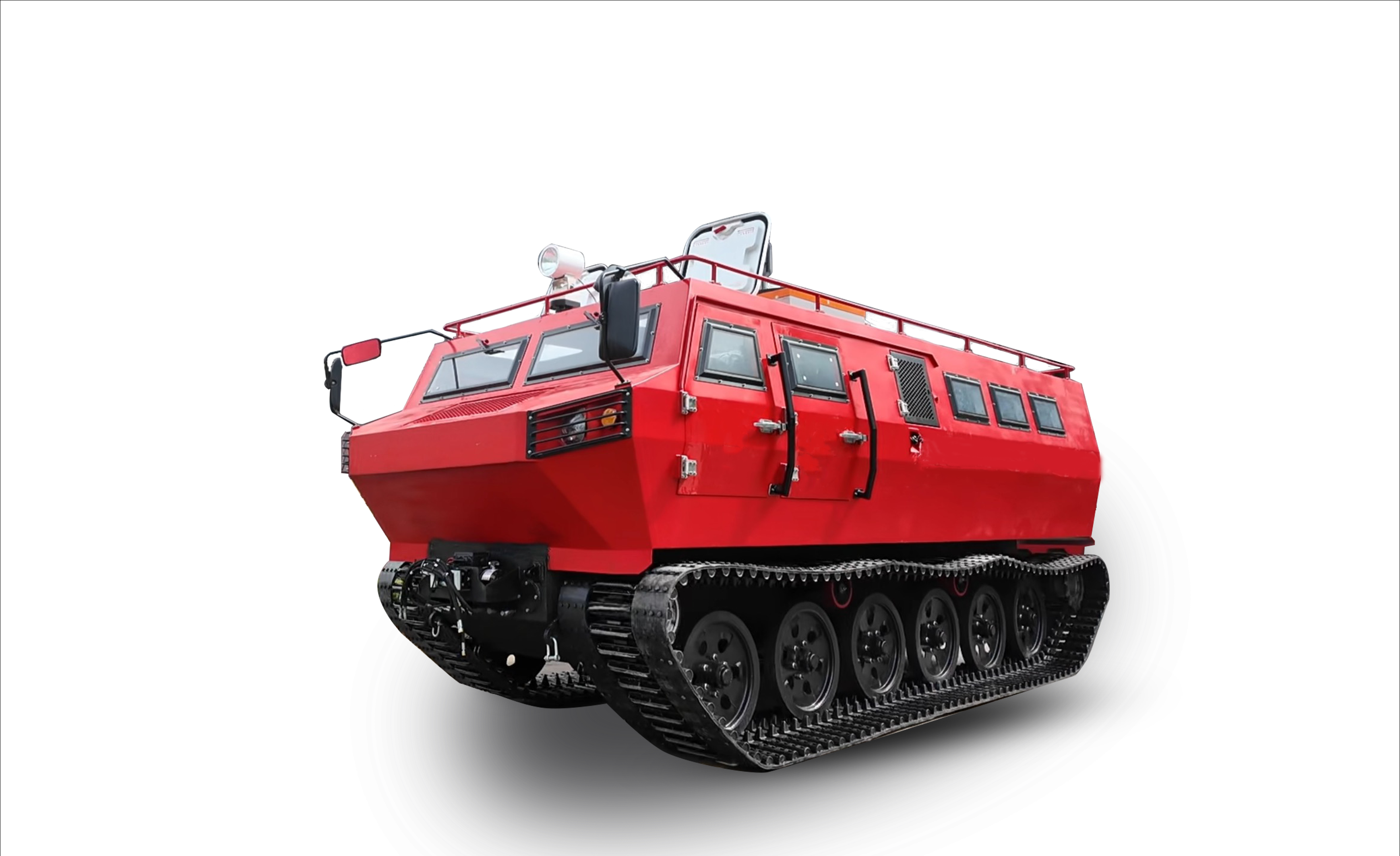
Across construction sites, agricultural fields, and disaster zones, a specialized class of mobile robots is taking on tasks too dangerous or difficult for humans. The defining feature enabling their all-terrain capability is not a wheel, but a robust set of robot tracks. These continuous loop belts, mounted on a drive system, represent a fundamental mechanical solution for ground mobility in unstructured environments. Unlike other locomotion methods, robot tracks distribute a machine's weight over a large surface area, providing the traction and stability needed to conquer mud, sand, rubble, and steep grades. The ongoing development and refinement of robot tracks are critical to expanding the operational envelope of mobile robotics in sectors demanding reliability where traditional vehicles would falter.
What Is the Core Function of Robot Tracks?
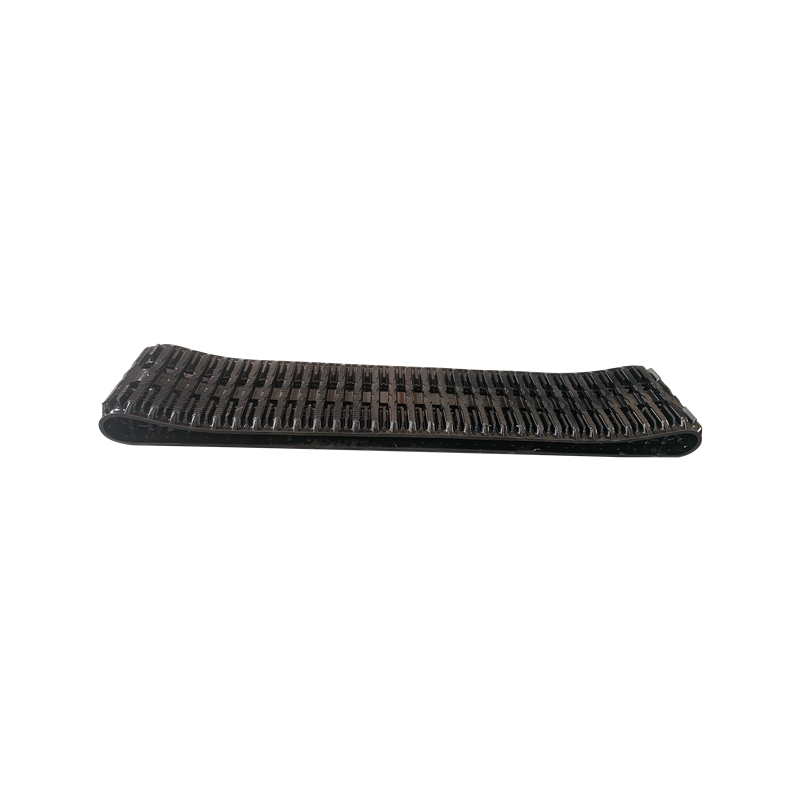
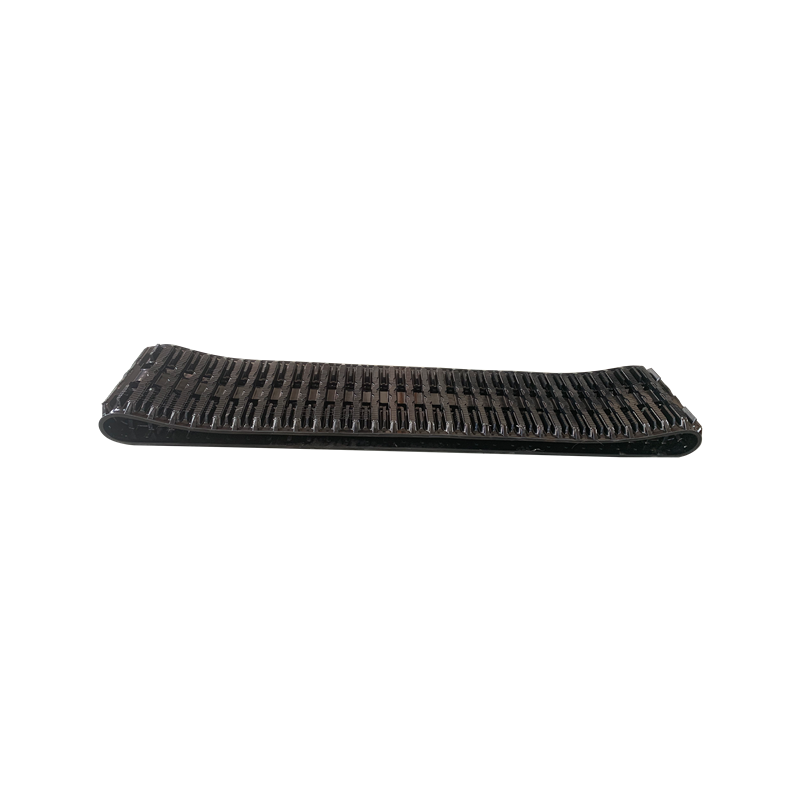
The primary function of robot tracks is to translate a robot's power into controlled movement across challenging terrain. This is achieved through two key principles. Robot tracks provide a large contact patch with the ground, which generates substantial traction. The grouser bars or tread patterns on the outer surface dig into soft or loose material, preventing slippage and allowing the robot to climb inclines or push through obstacles. Second, this large contact area distributes the robot's weight, resulting in very low ground pressure. This means a heavy machine equipped with robot tracks can traverse sensitive surfaces like wet soil, turf, or snow without sinking or causing significant damage—a crucial advantage in agriculture or environmental monitoring. This combination allows robot tracks to deliver consistent propulsion where wheels would spin futilely or become mired.
Where Are Robot Tracks Primarily Applied?
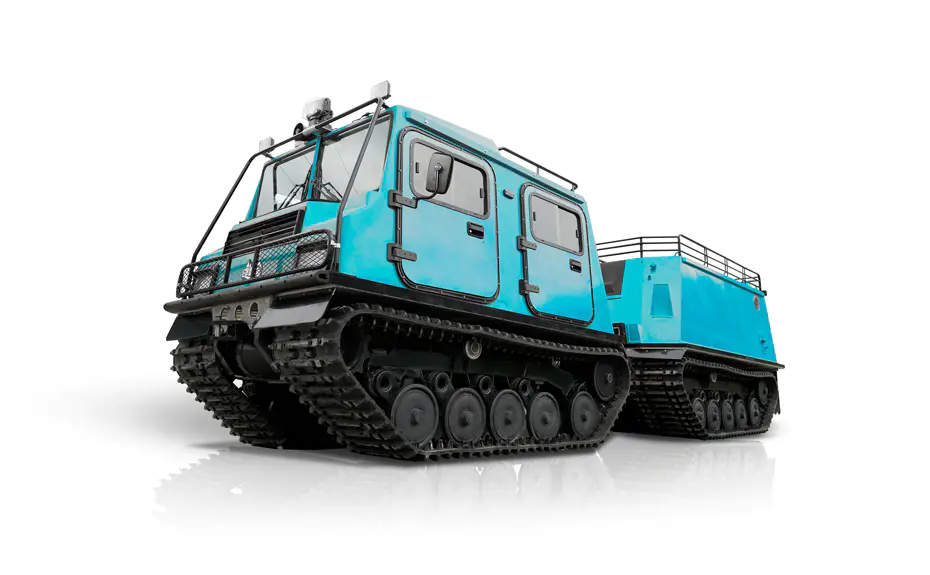
The application landscape for robots utilizing robot tracks is diverse, united by a common need for off-road mobility. In agriculture, robot tracks are increasingly found on autonomous platforms used for precise crop scouting, targeted spraying, and soil analysis, where their gentle footprint protects the soil structure. In construction and mining, tracked robots carry out inspection, mapping, and material handling in muddy, uneven, and hazardous site conditions. Perhaps the many demanding applications are in public safety and defense. Here, robot tracks enable explosive ordnance disposal (EOD) robots, search-and-rescue bots, and reconnaissance units to navigate the unpredictable rubble of collapsed buildings or other hazardous environments, keeping human operators at a safe distance. The versatility of the robot tracks platform makes it a preferred choice for operating beyond the confines of paved pathways.
What Are the Key Design Considerations?
Designing effective robot tracks involves navigating a complex set of engineering trade-offs. Material selection is paramount; tracks are commonly made from reinforced rubber compounds or durable polymers, offering a balance of flexibility, wear resistance, and weight. The geometry of the tread pattern is meticulously engineered for specific terrains—deeper, aggressive lugs for loose soil versus smoother profiles for hard surfaces. Designers must also consider the internal drive system, ensuring sprockets and idlers efficiently transmit power while withstanding shock loads. Furthermore, the overall weight and tension of the robot tracks significantly impact a robot's battery life and dynamic performance. As a result, robot tracks are not a one-size-fits-all component but are tailored to the robot's weight class, expected duty cycle, and primary operational environment, with manufacturers offering various widths and pitches to meet diverse mission requirements.
Robot tracks are far more than simple belts; they are a sophisticated mobility solution that unlocks the potential for robots to operate where wheels cannot. By mastering the physics of traction and ground pressure, they provide the foundation for machines that work in agriculture, construction, and lifesaving missions. As mobile robotics continues to advance into more challenging real-world environments, the evolution of durable, efficient, and terrain-specific robot tracks will remain a cornerstone of innovation, ensuring these machines can go anywhere they are needed.
The Rubber Tracks from LINHAI HAISDER MACHINERY CO., LTD. are engineered for predominant durability and all-terrain performance on compact construction machinery, such as mini excavators and skid-steer loaders. Constructed with high-tensile steel cord reinforcement and premium wear-resistant rubber compounds, these tracks deliver exceptional traction, reduced ground pressure, and small vibration for smooth operation. They are designed to withstand harsh conditions—including mud, rock, and abrasive surfaces—while protecting sensitive ground surfaces from damage. Offering extended service life, easy installation, and compatibility with major equipment brands, these rubber tracks are a reliable upgrade for enhanced mobility and job site productivity.



 浙ICP备2022029871号