
Robot Tracks Drive Automation Expansion
In the rapidly evolving field of robotics, mobility is a key frontier. The technology of robot tracks—encompassing both external guide rails for industrial arms and integrated crawler systems for mobile platforms—is witnessing significant growth. This expansion is driven by the pressing need for greater operational range, efficiency, and the ability to work in demanding environments. The development trajectory for robot tracks is shaped by powerful economic drivers, a steadily growing market, and clear technological innovations aimed at smarter, more adaptable automation solutions.
What Are the Key Market Drivers?
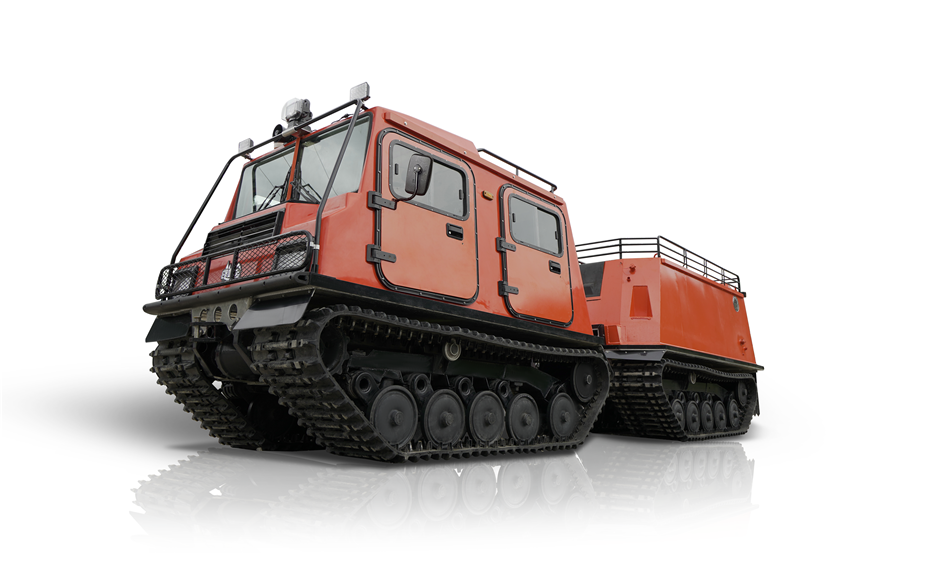
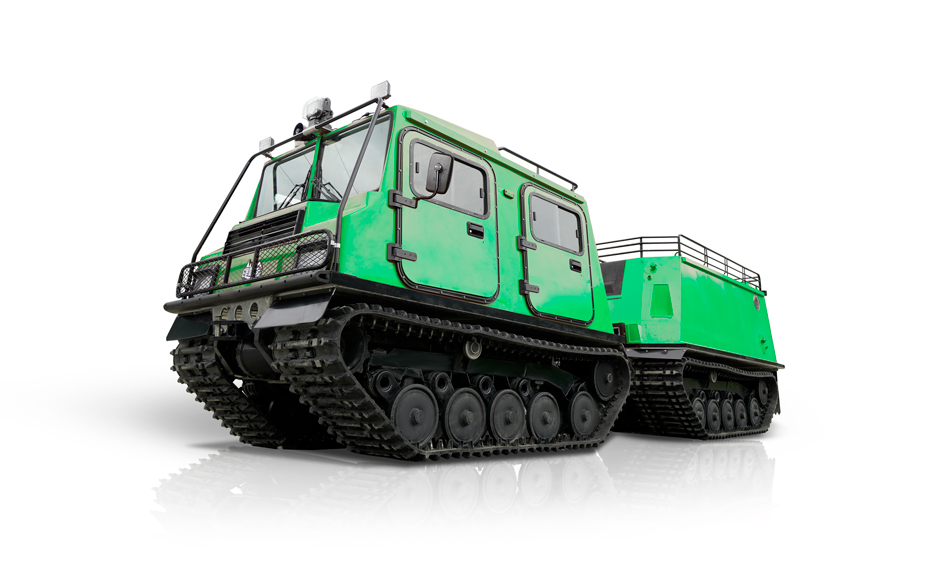
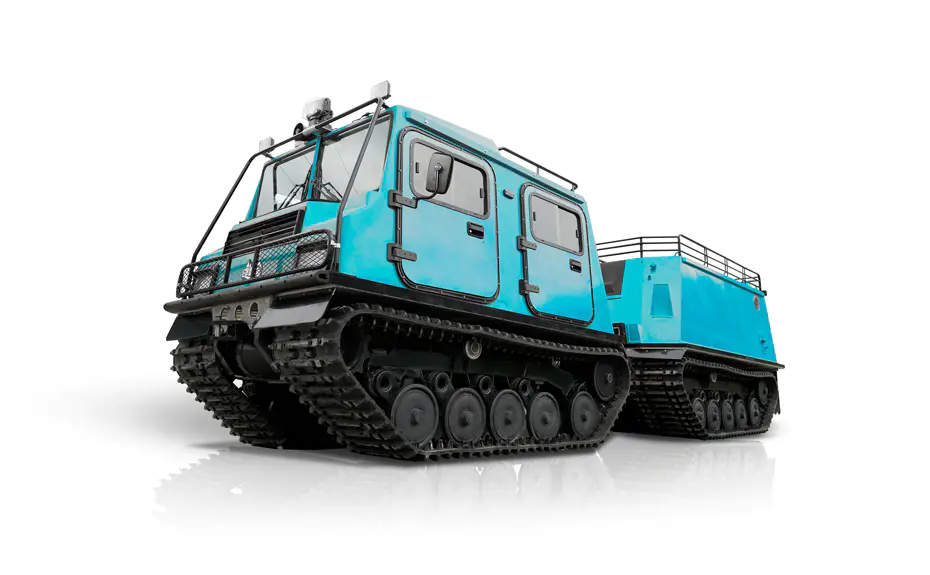
The demand for robot tracks is fundamentally linked to the broader adoption of automation across industries. In manufacturing, the primary driver is the relentless pursuit of higher productivity and optimized floor space. A single industrial robot mounted on a linear track system can serve multiple workstations or process large components like automotive frames or aircraft wings, reducing the need for multiple stationary robots and lowering capital expenditure. For mobile robots, the driver is the need to access unstructured or hazardous environments. Industries like agriculture, construction, and disaster response require platforms that can traverse mud, rubble, and steep grades—terrain where wheels fail. The global push for logistics automation within warehouses and distribution centers also fuels demand for track-guided systems that ensure precise, high-speed material movement over extended areas.
What Is the Market Scale and Growth?
The market for robot tracks and the mobile robots they enable is on a solid growth path. Analysts project that the broader market for track-based robotic solutions, including both industrial axes and crawler systems, will experience a compound annual growth rate (CAGR) in the mid-single-digit percentages over the current decade. This growth is supported by the expansion of the overall industrial robot market. More specifically, the segment for mobile robots using tracks for locomotion is anticipated to see even more dynamic expansion, with its value potentially reaching tens of billions of dollars globally by the early 2030s. This scale reflects the technology's transition from niche applications to mainstream industrial and commercial tools.
What Are the Dominant Technology Trends?
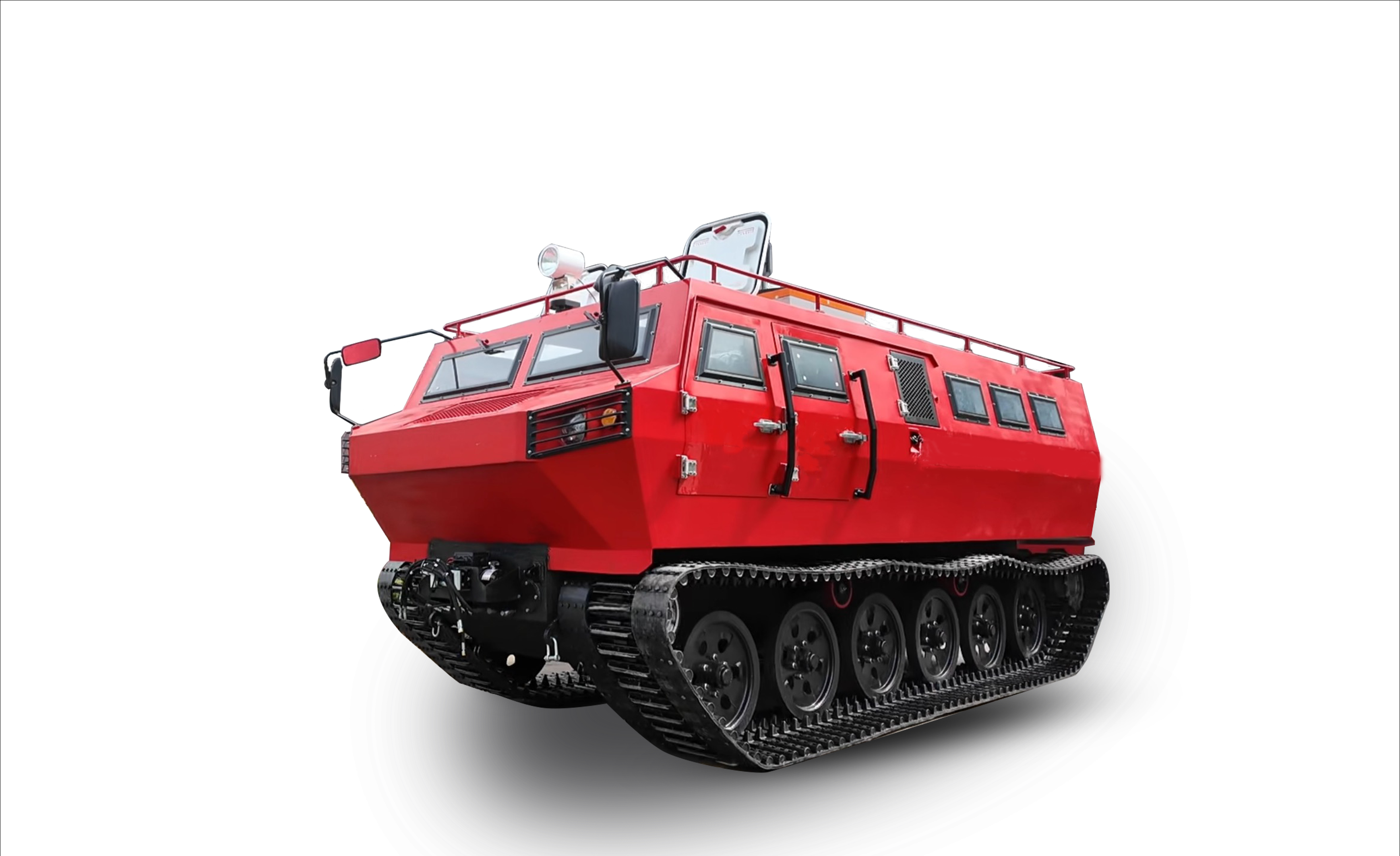
The future of robot tracks is defined by integration and intelligence. For industrial rail systems, the trend is toward greater modularity and seamless communication. These systems are increasingly integrated with the robot's main controller, allowing for synchronized multi-axis motion and easier programming. The integration of sensors directly into the tracks for position feedback is becoming more common. For mobile crawler systems, the trends are toward greater autonomy and resilience. Developers are integrating advanced perception systems like LiDAR and stereo vision with sophisticated software, enabling robot tracks to navigate complex terrain without pre-defined paths. Furthermore, innovation in track material science—such as the use of composite rubbers or reinforced polymers—aims to improve durability, reduce weight, and enhance grip. The emergence of hybrid systems, combining tracks with other locomotion methods for up to versatility, is another area of active development.
As industries continue to automate complex tasks in diverse environments, the role of robot tracks as critical enablers will only solidify. The convergence of precise mechanical engineering with advanced software and sensing is creating a new generation of robotic systems that are not just programmable tools, but adaptable partners capable of extending the reach of human operation farther and into more challenging spaces than ever before. The continued evolution of robot tracks promises to unlock new levels of efficiency and capability across the global economy.
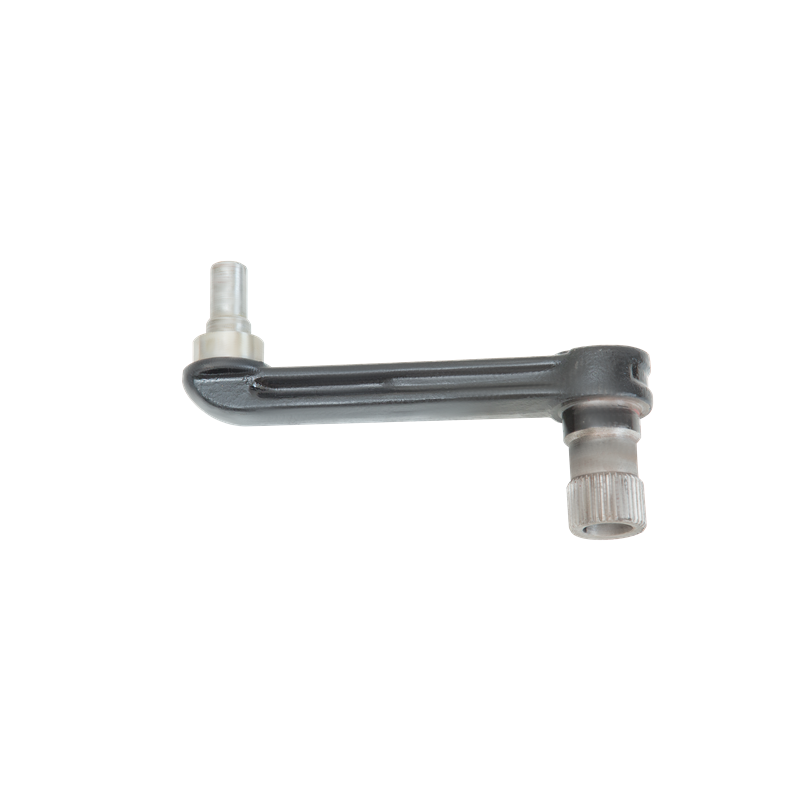
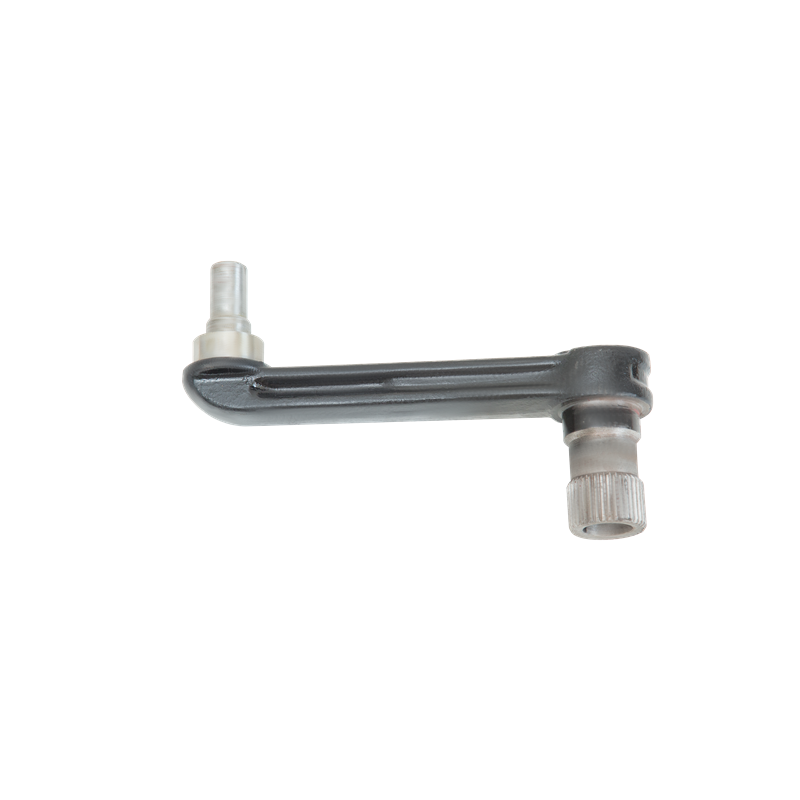
For heavy-duty machinery requiring robust lifting and positioning capabilities, the Swing Arm from LINHAI HAISDER MACHINERY CO.,LTD is a key component. This engineered arm assembly is designed to provide reliable radial movement and precise reach for equipment such as material handlers, forestry cranes, or specialized attachments on excavators and loaders. Built for durability to withstand high loads and continuous operation, it enhances the versatility and efficiency of the host machine in applications like log handling, scrap sorting, or demolition. It represents a solution for expanding the functional range and productivity of industrial equipment.



 浙ICP备2022029871号