
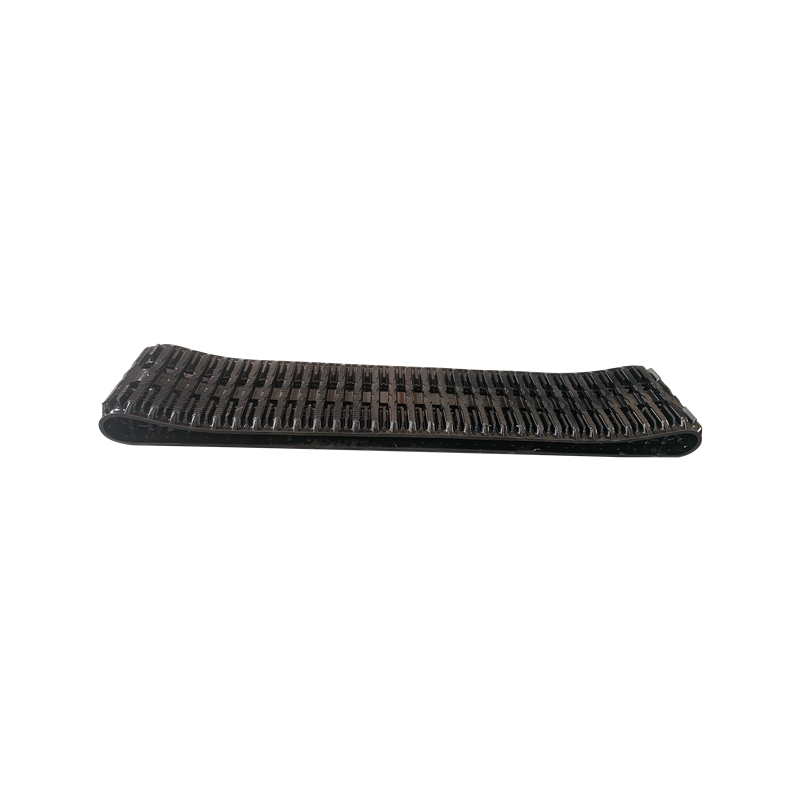
Rubber Tracks Series Brings Different Tread Patterns
Compact construction equipment, agricultural machinery, and specialized tracked vehicles are creating demand for flexible track solutions. In this changing equipment market, the Rubber tracks series has become an important product category for machines that require continuous tracks instead of conventional wheels.
Rubber tracks combine an internal reinforcement structure with a molded rubber body and tread pattern. Their design allows tracked machines to move across different working surfaces while maintaining a relatively compact vehicle structure. Manufacturers are now developing different sizes, tread styles, and internal configurations for a broad range of equipment.
Rubber Track Structure Supports Machine Movement
A rubber track is more than a simple rubber belt. Inside the track are reinforced components that provide structural support and help transfer driving force from the machine's sprocket and rollers.
The outer tread pattern interacts directly with the ground. Its shape can influence traction, movement, and the way the machine responds to different surfaces.
The Rubber tracks series can include tracks designed around different machine weights, dimensions, and operating requirements. Compact excavators, mini loaders, tracked carriers, and agricultural machines may require different track specifications.
Tread Patterns Create Different Characteristics
Tread design is one of the visible differences between rubber track products. Some patterns use closely spaced blocks, while others feature larger sections or directional grooves.
A compact tread pattern can create a distinctive appearance and provide a specific interaction between the track and the ground. Deeper tread structures can also change how the machine moves across loose soil, gravel, or uneven terrain.
Manufacturers developing a Rubber tracks series often create several tread options for different equipment categories. This gives machinery producers and distributors more flexibility when selecting track configurations.
Internal Reinforcement Influences Track Design
The internal structure of a rubber track is closely connected to its overall performance. Steel reinforcement elements are commonly integrated into the track body to provide strength and maintain the shape of the continuous belt.
The arrangement, spacing, and dimensions of these reinforcement components can vary according to track size and application. The track also needs to interact correctly with sprockets, rollers, and idlers.
For the Rubber tracks series, manufacturers therefore need to consider the relationship between rubber compounds, reinforcement structures, track dimensions, and tread geometry during product development.
Different Machines Require Different Sizes
Construction and agricultural machinery comes in many sizes, creating demand for tracks with different widths, lengths, and pitch dimensions.
A small tracked excavator may require a narrow rubber track, while a larger machine may use a wider configuration. The number and arrangement of tread blocks can also vary according to the track's dimensions.
The Rubber tracks series can therefore include multiple specifications covering compact equipment and larger tracked machinery. Product selection generally starts with the machine model, track dimensions, sprocket configuration, and intended application.
Rubber Tracks Support Compact Equipment
Compact machinery has become an important application area for rubber tracks. Mini excavators and compact carriers often operate in areas where maneuverability and machine size are important considerations.
Rubber tracks provide a continuous contact surface beneath the machine, supporting movement without requiring large wheel assemblies. This structure also allows manufacturers to create compact vehicle layouts around the undercarriage.
A Rubber tracks series designed for compact equipment may focus on track width, tread shape, flexibility, and compatibility with the machine's undercarriage components.



 浙ICP备2022029871号