
Tracked Carrier Market Grows with New Tech
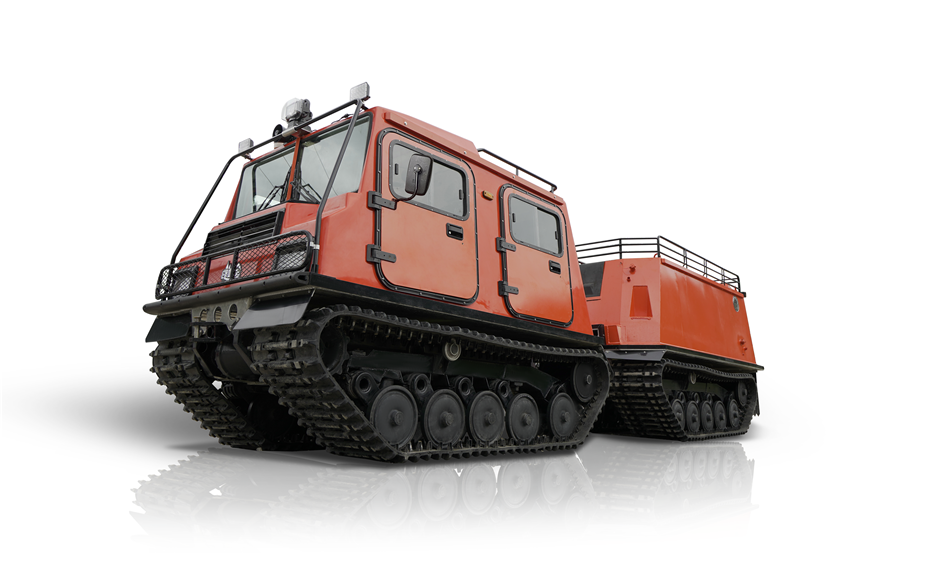
Across construction sites, agricultural fields, and remote project locations, a specialized class of equipment is proving indispensable for moving materials where traditional wheeled vehicles cannot go: the tracked carrier. This robust, low-ground-pressure machine is designed to transport heavy loads over soft, uneven, or environmentally sensitive terrain. As global infrastructure and energy projects push into more difficult landscapes, the unique capabilities of the tracked carrier are driving its adoption, with the global market for these machines projected to grow steadily, reaching a value in the range of hundreds of millions of dollars within the coming years.
What Defines a Tracked Carrier and Its Core Advantages?
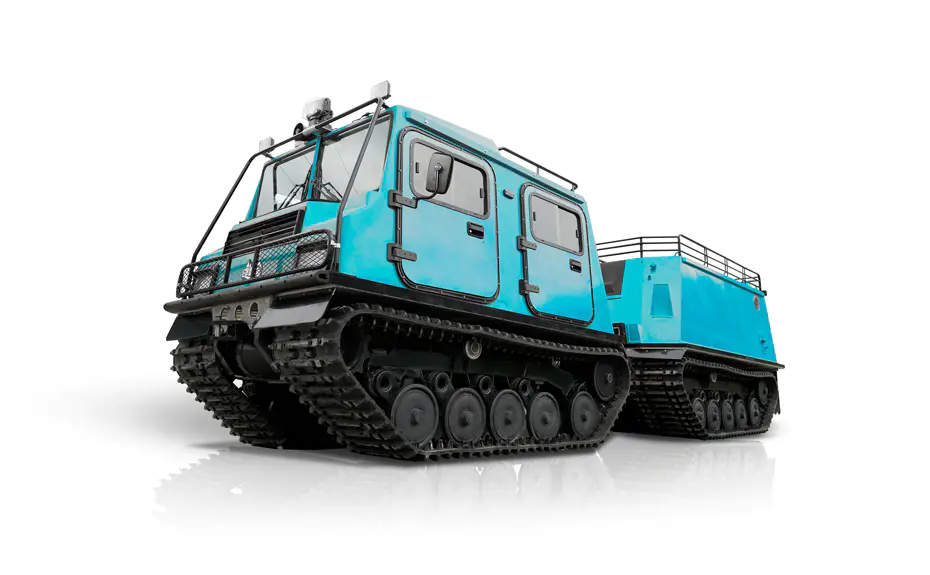
A tracked carrier is essentially a compact, self-propelled chassis equipped with continuous rubber or steel tracks instead of wheels. This fundamental design grants it a critical advantage: exceptionally low ground pressure. By distributing the machine's weight and its payload over a large contact area, a tracked carrier can traverse mud, sand, steep inclines, and fragile surfaces like turf or tundra with small sinking or damage. This makes it a vital tool for projects requiring environmental stewardship or access across unprepared ground. Compared to wheeled alternatives, the tracked carrier offers predominant traction and stability on slopes, reducing the risk of rollovers and enabling work in conditions that would otherwise halt progress.
What Are the Core Drive Technologies and Types?
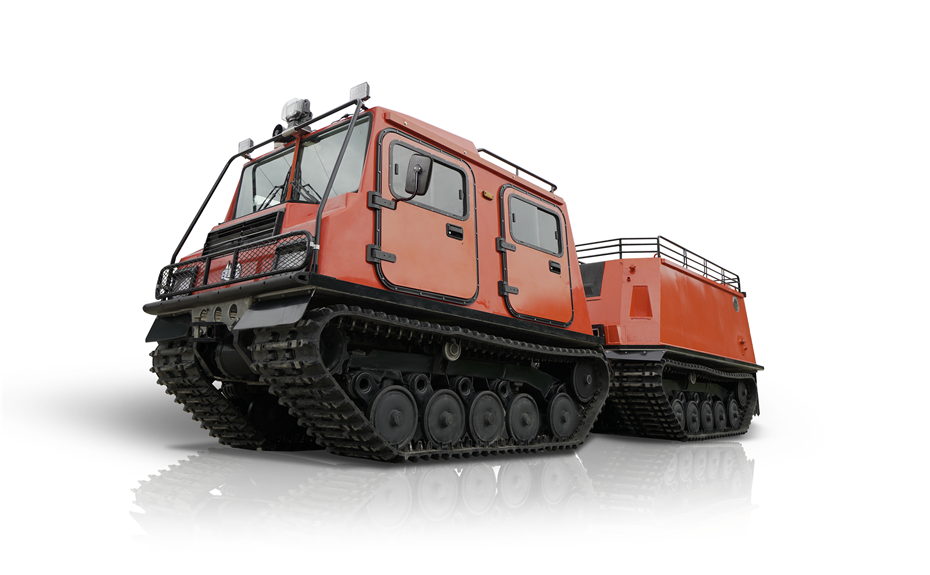
The performance of a tracked carrier hinges on its drive system and configuration. The many advanced systems utilize hydrostatic drives, which provide smooth, infinitely variable speed control and high torque directly to each track, allowing for precise maneuvering and gentle turns that protect the ground surface. Machines are differentiated by their payload capacity, ranging from compact models handling one to three metric tons for forestry or landscaping, to heavy-duty units capable of carrying over ten metric tons for pipeline or mining applications. Furthermore, specialized variants exist, such as radio remote-controlled tracked carriers for hazardous material handling in demolition or chemical sites, enhancing operator safety. The choice between rubber tracks for mixed-use and steel tracks for bad abrasive conditions is another key technical decision.
What Are the Market Trends and Future Developments?
The market for tracked carriers is expanding, fueled by global investment in infrastructure, renewable energy projects like solar farm construction in remote areas, and the ongoing need for maintenance in the oil and gas sector. Industry analyses indicate a compound annual growth rate for the crawler carrier segment that reflects this increased demand. The many significant trends shaping future development focus on sustainability and connectivity. Electrification is a growing frontier, with battery-electric tracked carriers emerging to offer zero-emission operation for indoor use, urban projects, or environmentally protected zones, significantly reducing noise and exhaust fumes. Simultaneously, integrating telematics and GPS into tracked carriers allows for fleet management optimization, remote diagnostics, and precise tracking of machine location and utilization data.
The evolution of the tracked carrier from a niche tool to a mainstream piece of mobile equipment underscores a broader shift towards operational efficiency and environmental responsibility in heavy industry. Its ability to go places wheeled equipment cannot, while small its footprint, makes it a key enabler for modern engineering challenges. As technology advances to make these machines cleaner, smarter, and more versatile, their role in building and maintaining the world's infrastructure is set to become even more central. The continued innovation in tracked carrier design ensures it will remain the go-to solution for transporting vital materials across the planet's many demanding landscapes.
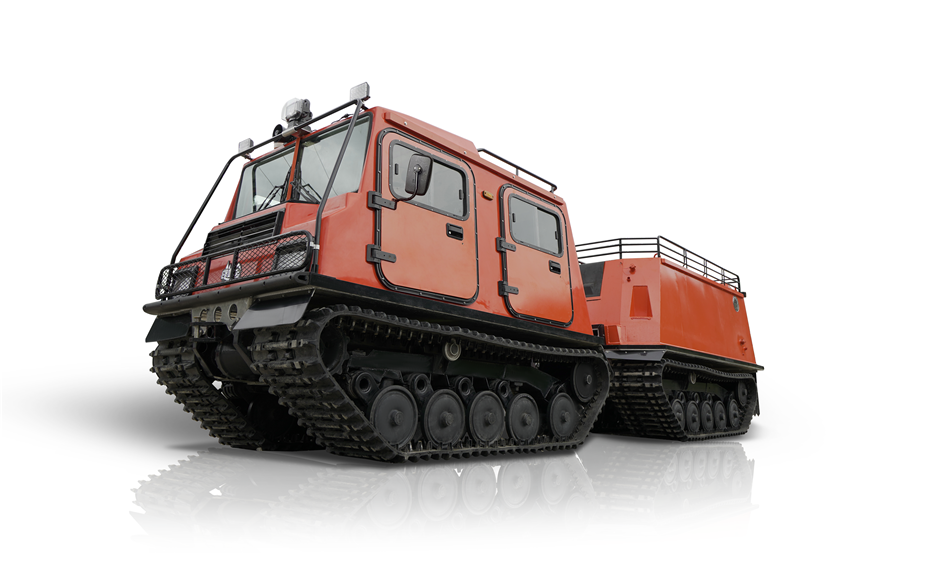
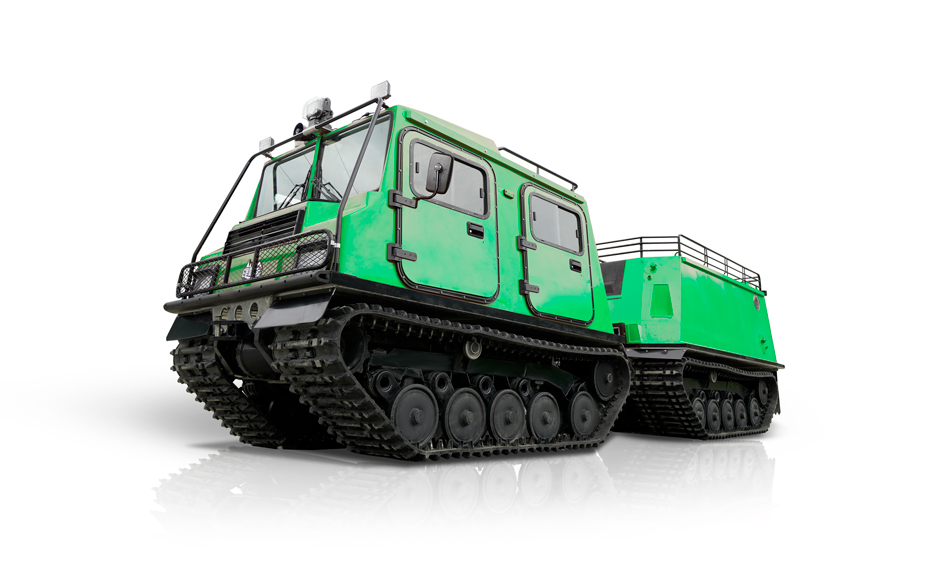
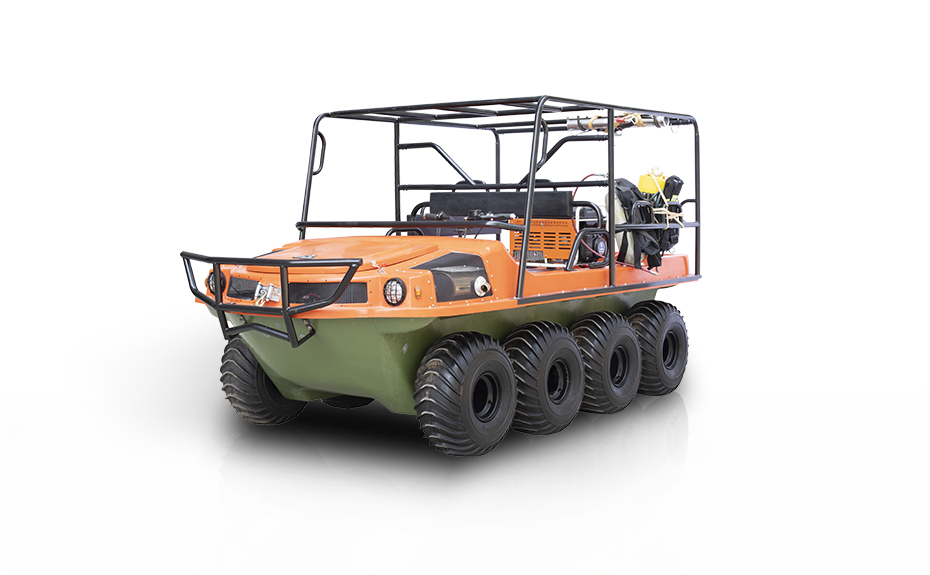
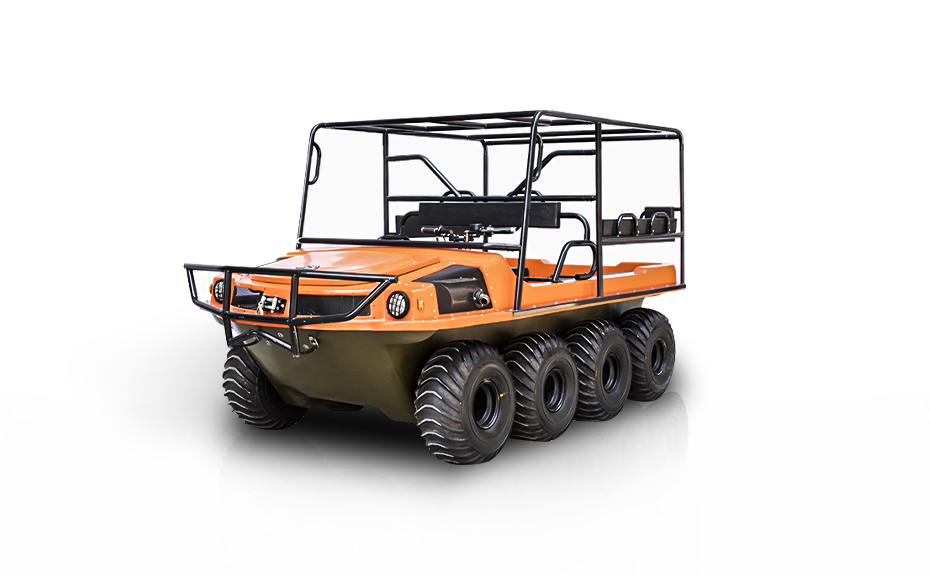
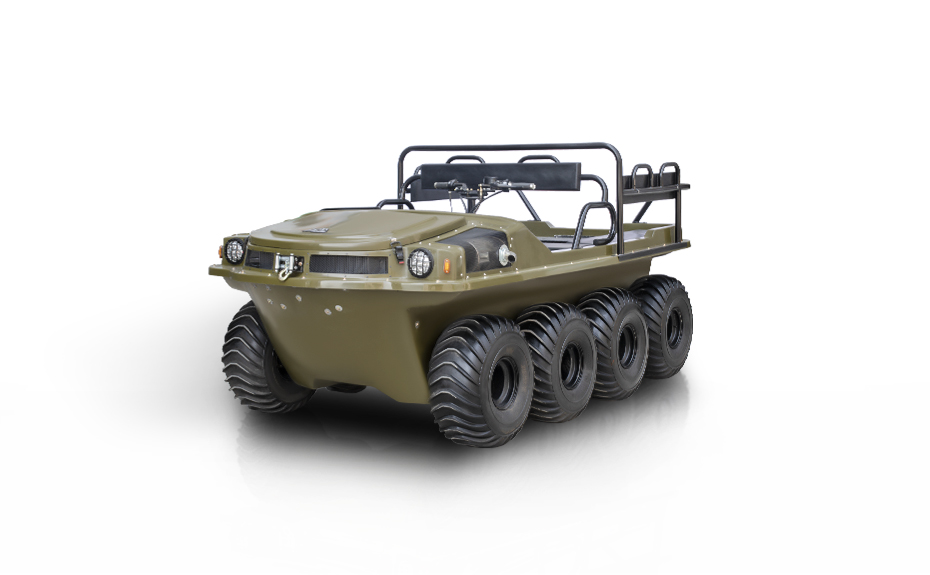
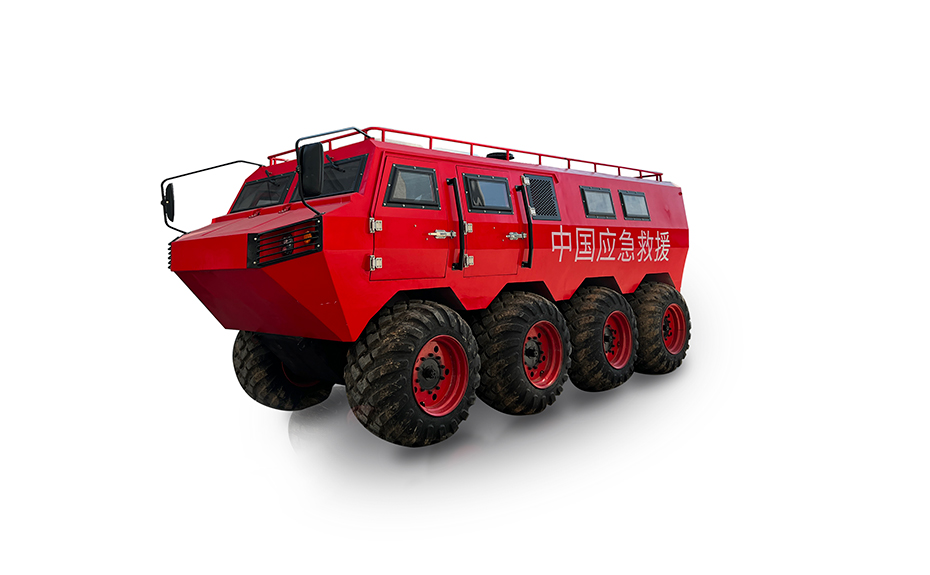
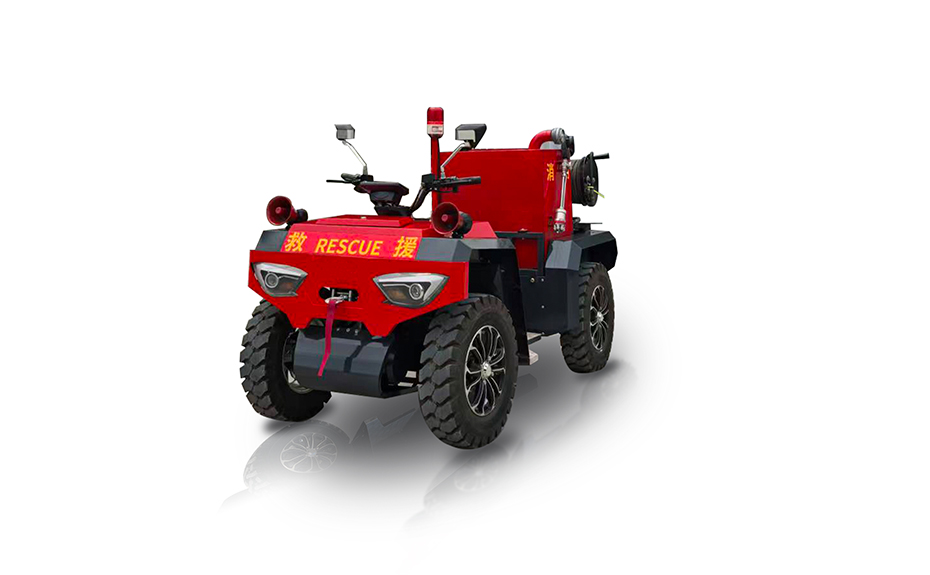
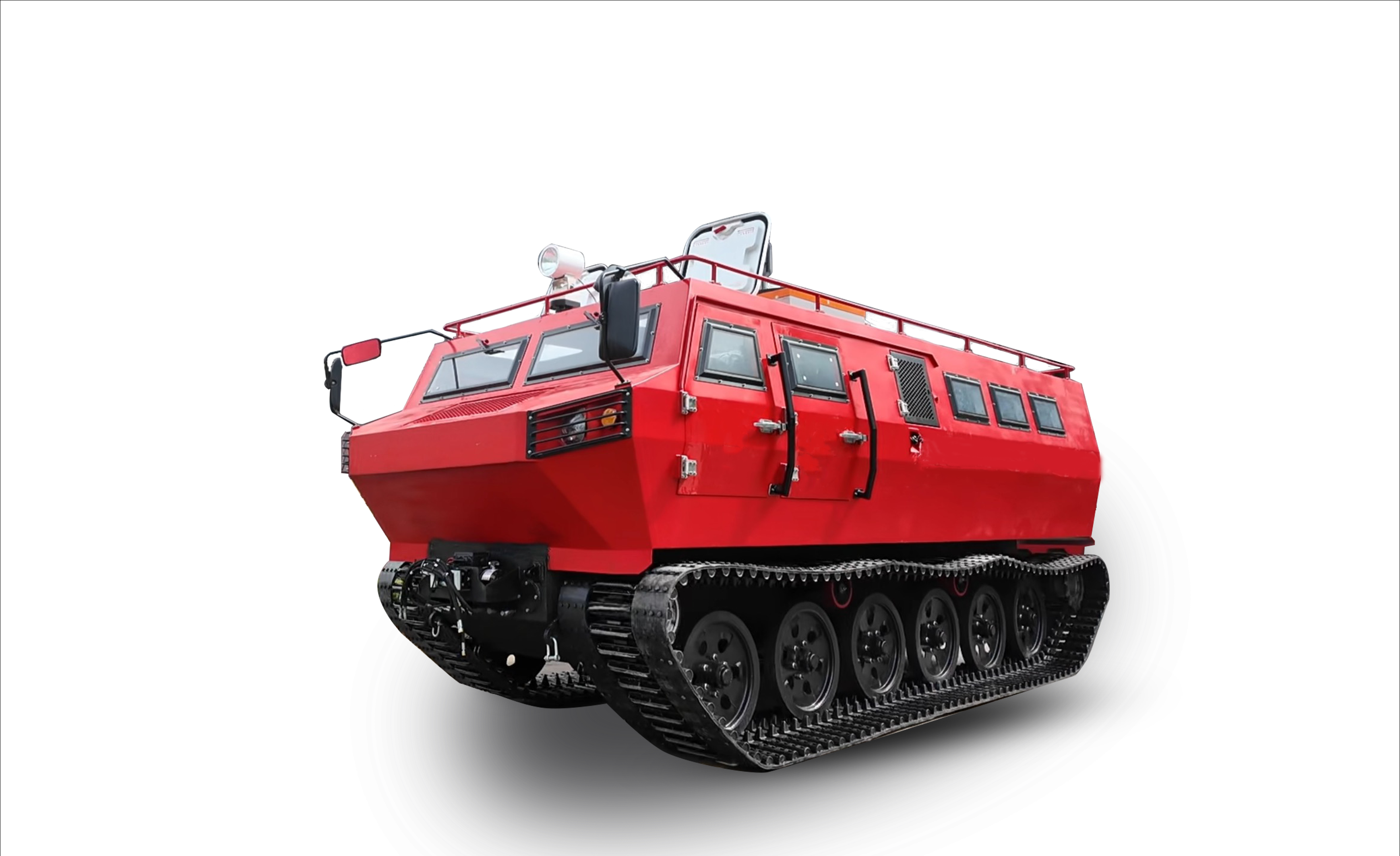
For wildland firefighting and access to rugged terrain, the Tracked Utility Terrain Vehicle-Fire Truck from LINHAI HAISDER MACHINERY CO.,LTD provides a specialized off-road firefighting platform. This tracked vehicle combines the high flotation and traction of a UTV on soft or steep ground with integrated firefighting equipment, such as a water tank, pump, and hose reel. It is designed to reach remote fire fronts, peatland fires, or areas inaccessible to traditional wheeled fire engines, enabling initial attack and support operations in challenging environments like forests, mountains, and marshlands. This vehicle offers firefighters a mobile, all-terrain base for crucial early intervention.



 浙ICP备2022029871号