
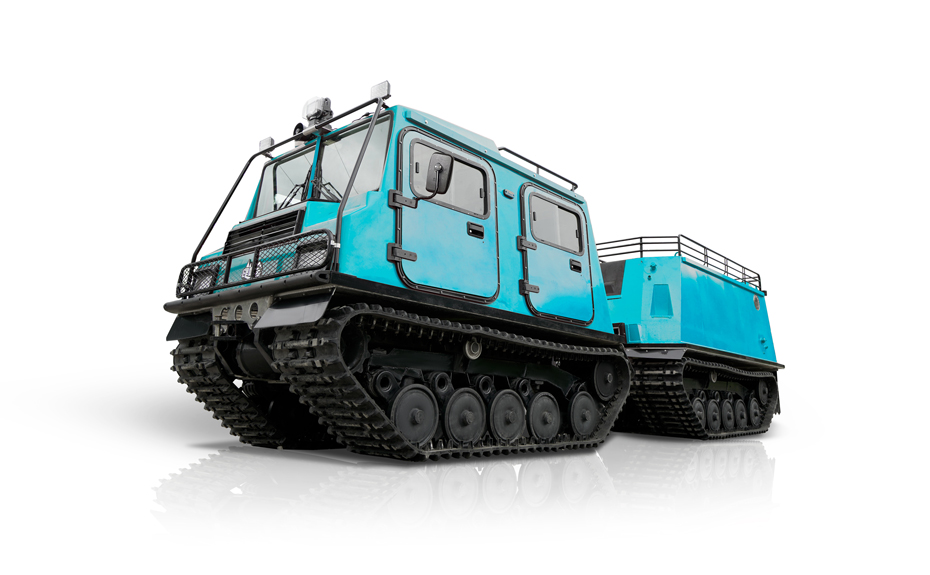
Tracked Carrier Selection Comes Down to Ground Pressure
What a Tracked Carrier Actually Does
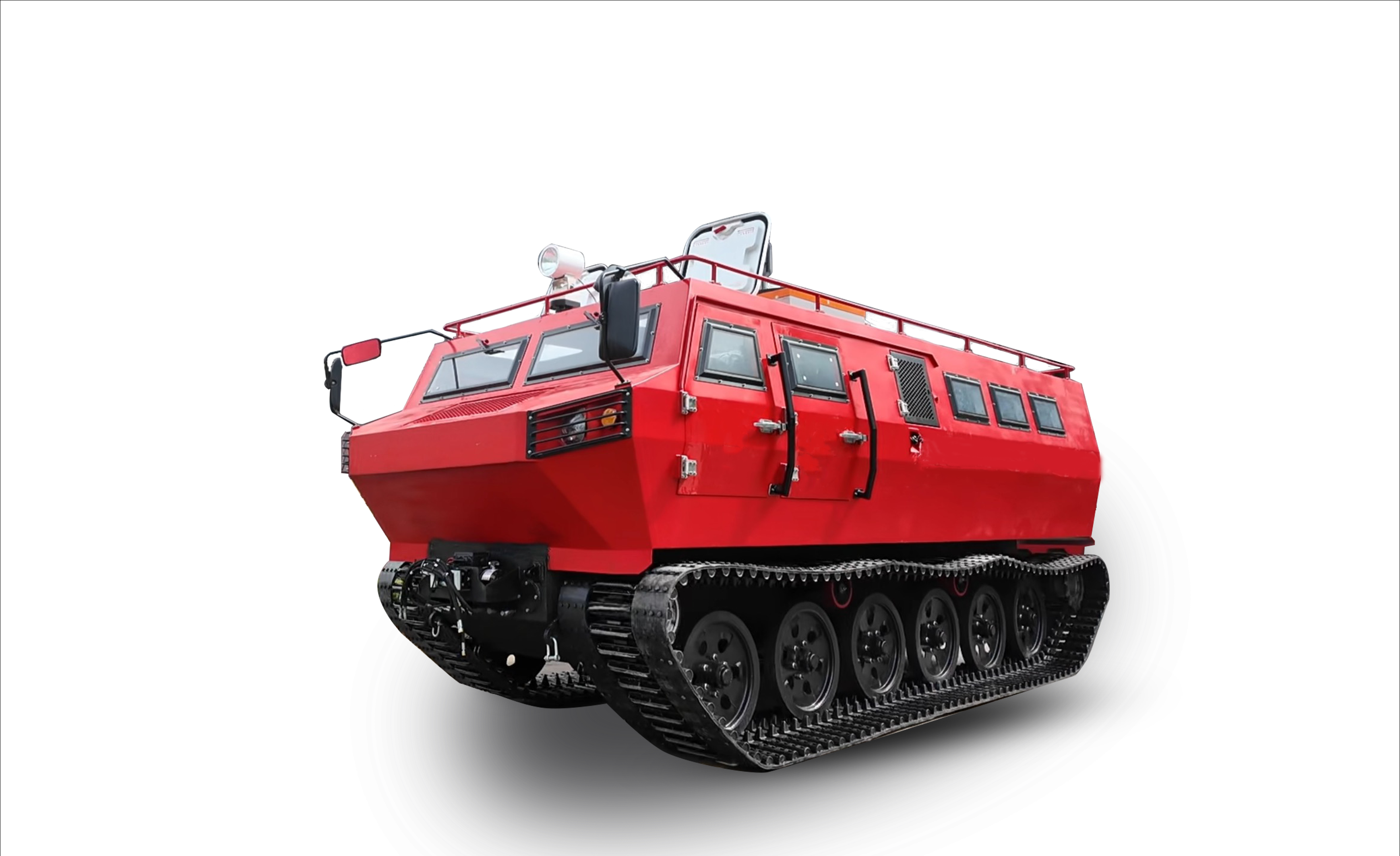
A tracked carrier is built to move loads across terrain that would stall out wheeled trucks or standard skid steers. Instead of tires, it runs on rubber or steel tracks, which spread the machine's weight across a wider surface area. That wider footprint lowers ground pressure, meaning the carrier is less likely to sink or get stuck in soft, uneven, or sloped ground. Buyers sourcing this equipment usually come from forestry operations, utility line construction, landscaping firms, or agricultural suppliers — industries where the terrain itself is the main obstacle, not just the material being hauled.
Frame Types and Load Capacity
Tracked carriers generally split into two frame designs: fixed-bed and dump-bed. Fixed-bed carriers keep a stationary platform, often used when the load needs to stay level and stable during transport — think pallets of block, bagged materials, or equipment. Dump-bed versions add a hydraulic tilt function, letting the operator unload directly on site without manual unloading, which matters for buyers supplying landscaping or aggregate delivery work.
Load capacity varies significantly by model size, and buyers sourcing in bulk typically request a full spec sheet before ordering rather than relying on a single number. A general reference range looks something like this:
| Carrier Class | Typical Load Capacity | Common Use Case |
| Compact | [500–1,500 lbs] | Landscaping, nursery work |
| Mid-size | [1,500–4,000 lbs] | Utility, general construction |
| Heavy-duty | [4,000–8,000+ lbs] | Forestry, aggregate hauling |
Note: exact figures vary by manufacturer and model — buyers should confirm specifications directly with suppliers before finalizing orders.
Track Material and Ground Pressure
Rubber tracks and steel tracks serve different purposes, and buyers sourcing for specific client bases tend to stock both. Rubber tracks are gentler on finished surfaces like lawns, paved paths, or landscaped ground, which makes them a common request from landscaping and turf-care buyers. Steel tracks hold up better under abrasive conditions — rocky terrain, demolition debris, or heavy forestry work — where rubber would wear down faster.
Ground pressure is the number buyers ask about often, since it's the figure that determines whether a carrier can cross soft or wet ground without sinking. Wider tracks generally lower ground pressure, but they also add width to the machine's overall footprint, which can matter for buyers supplying clients working in tighter spaces like residential job sites or narrow utility corridors.
Engine and Drive System Questions
Sourcing teams evaluating tracked carrier suppliers tend to ask a consistent set of questions:
- Is the engine gas, diesel, or available in both configurations?
- Does the drive system offer variable speed control for precise maneuvering on slopes?
- Can the undercarriage handle sustained operation on inclines without additional stabilization?
These questions matter because a carrier built for flat, packed ground won't necessarily perform the same way on a steep grade. Buyers supplying forestry or hillside utility clients often specifically ask about incline ratings, since this detail separates carriers meant for general use from those built to handle sustained slope work.
Matching the Carrier to the Job
Not every tracked carrier fits every application, and buyers building out an equipment line usually stock a few different sizes rather than betting on one universal model. A compact carrier that handles nursery pallets well won't necessarily hold up hauling aggregate on a construction site, and a heavy-duty forestry carrier might be more machine than a landscaping crew actually needs. Distributors serving a mixed client base — some in construction, some in agriculture, some in utility work — tend to request a range of frame sizes and track options from suppliers, since matching the right carrier to the right terrain tends to matter more to buyers than any single spec on its own.



 浙ICP备2022029871号