
Transport Vehicles Define Global Logistics
From the last-mile delivery van to the heavy-duty truck on the highway, transport vehicles form the essential circulatory system of the global economy. This diverse category encompasses all motorized platforms designed to move people and goods, with its core defined by rigorous classification, specialized adaptation for unique tasks, and the supporting logistics industry that moves the vehicles themselves. Understanding these facets is key to appreciating the complex infrastructure that keeps commerce and daily life in motion.
How Are Commercial Vehicles Classified?
The backbone of freight and public movement is the commercial transport vehicle, systematically categorized by purpose and size. The primary division is between goods and passenger carriers. For freight, light commercial vehicles (LCVs), typically with a gross vehicle weight under 3.5 metric tons, handle urban deliveries and services. Medium and heavy-duty trucks form the long-haul backbone, with articulated lorries—a tractor unit coupled to a semi-trailer—being a dominant configuration for intercity freight. On the passenger side, classifications range from minibuses and transit buses for public transport to coaches designed for long-distance travel. Regulatory frameworks across regions use weight, axle count, and dimensions to define these classes, dictating licensing requirements, road access, and safety standards for operators.
What Defines Specialized and Tactical Vehicles?
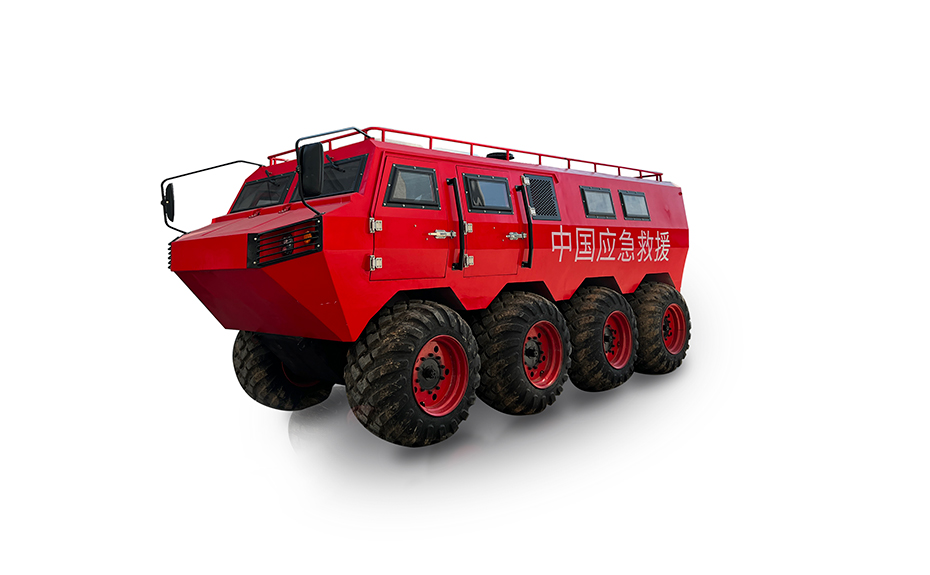
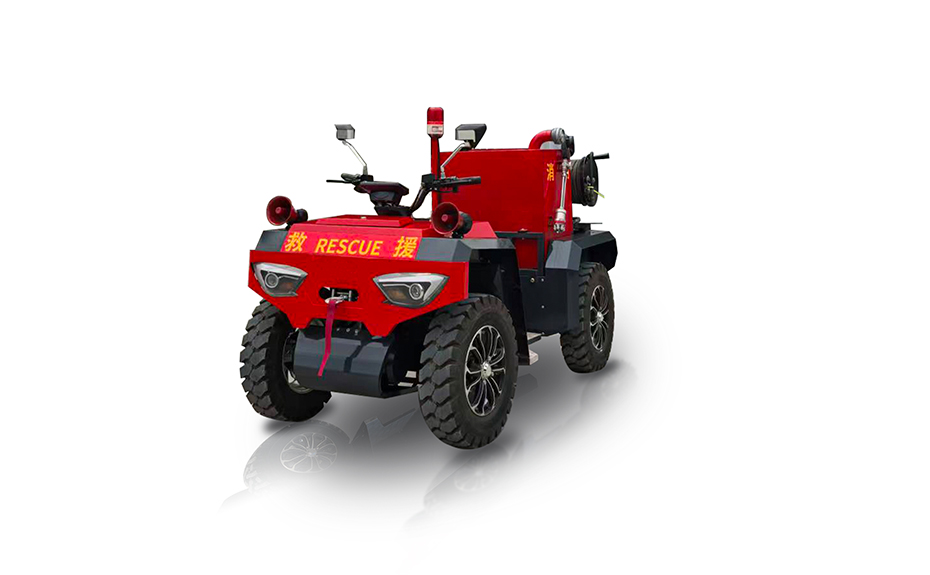
Beyond standard models, the transport vehicle domain includes highly engineered platforms for specific missions. Military forces worldwide operate fleets of tactical transport vehicles, such as heavy-duty trucks capable of off-road logistics and transporting armored equipment, which are essential for deployment and supply chains. Law enforcement and emergency services utilize specialized service vehicles, based on commercial platforms but modified with enhanced communications, storage, and performance features for roles like prisoner transport or mobile command. Furthermore, niche sectors rely on dedicated transport vehicles like electric utility carts for campus mobility or industrial sites, demonstrating the adaptation of core transportation principles to controlled environments. These variants highlight the sector's ability to tailor the fundamental transport vehicle concept to bad or precise operational demands.
What Role Do Vehicle Transportation Services Play?
A critical, service-oriented segment of the ecosystem is dedicated to moving other transport vehicles. This industry exists to deliver newly manufactured cars to dealerships, relocate privately owned vehicles over long distances, and support corporate fleet logistics. The primary methods are either using multi-car carrier trailers or employing professional drivers for over-the-road relocation. The rise of digital freight-matching platforms has brought greater transparency to this market, allowing customers to compare service options and pricing. Key factors influencing cost include transport distance, vehicle size and value—with enclosed carriers often used for high-value or classic cars—and fuel price fluctuations, which directly impact the operational economics of running these specialized carrier transport vehicles.
The evolution of the core transport vehicle is being shaped by powerful trends. The push for decarbonization is accelerating the development of electric and hydrogen-fueled trucks and buses, with pilot fleets already in operation in various regions. Simultaneously, connectivity and automation are entering the sector, with advanced driver-assistance systems becoming common and platooning technology being tested to improve highway safety and fuel efficiency for trucking. As global supply chains and urban populations grow, the role of intelligently classified, highly specialized, and efficiently managed transport vehicles will only become more central to sustainable economic development and societal function.
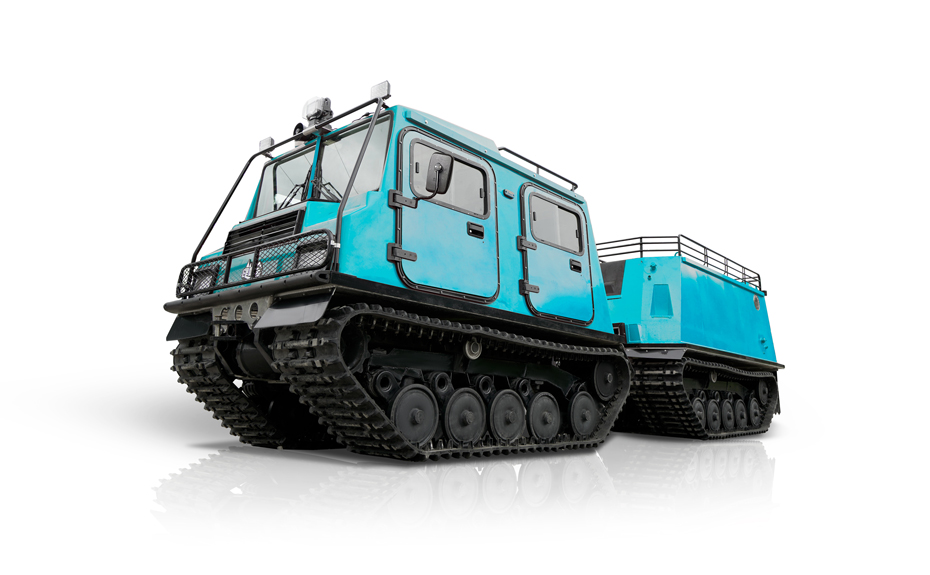
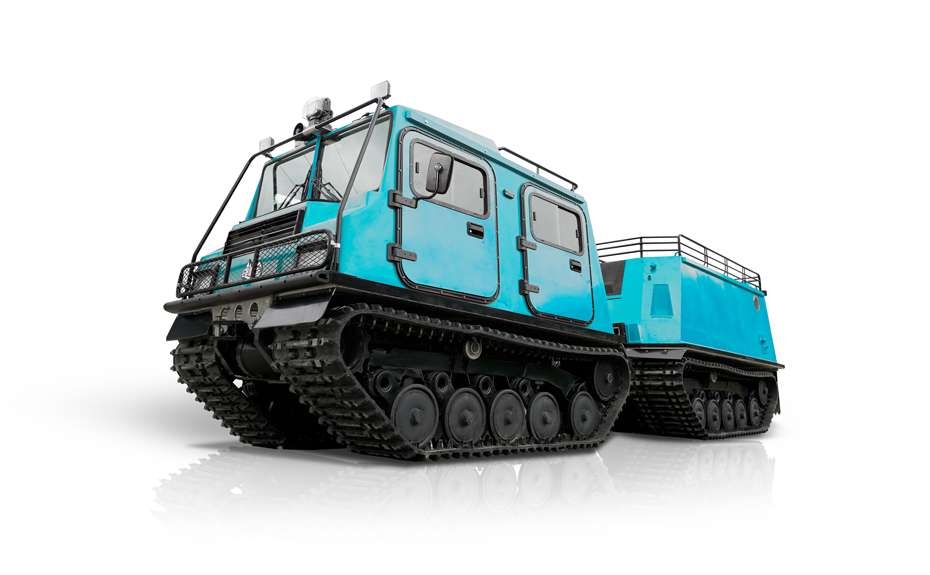
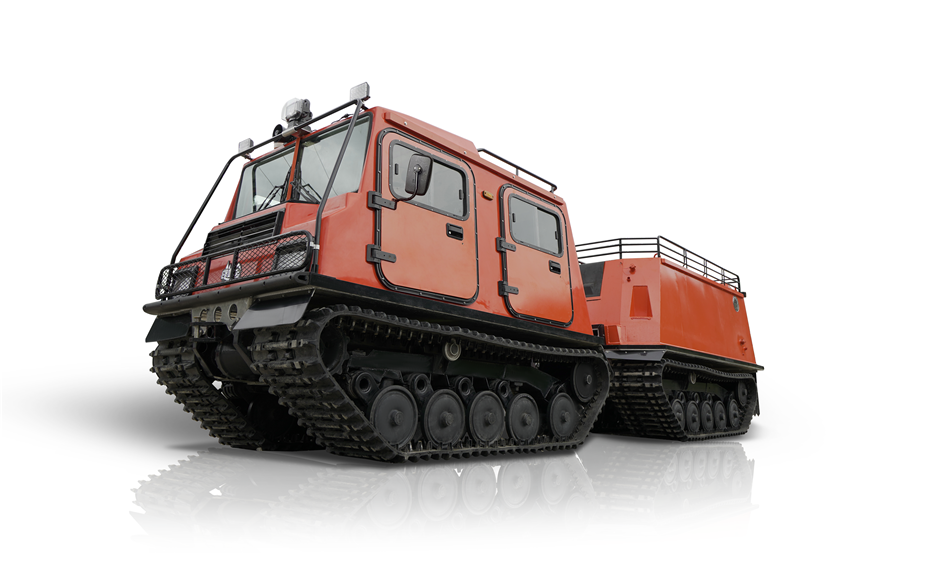
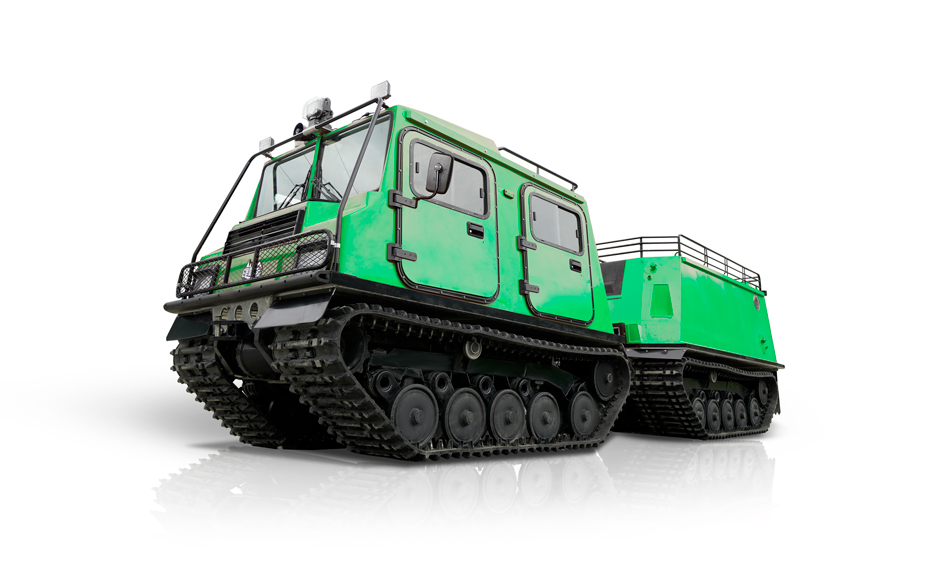
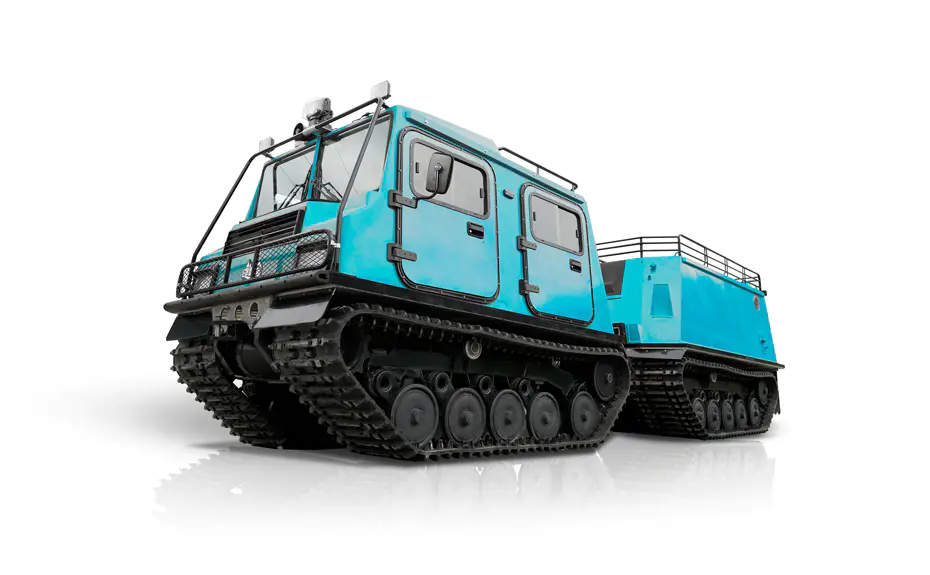
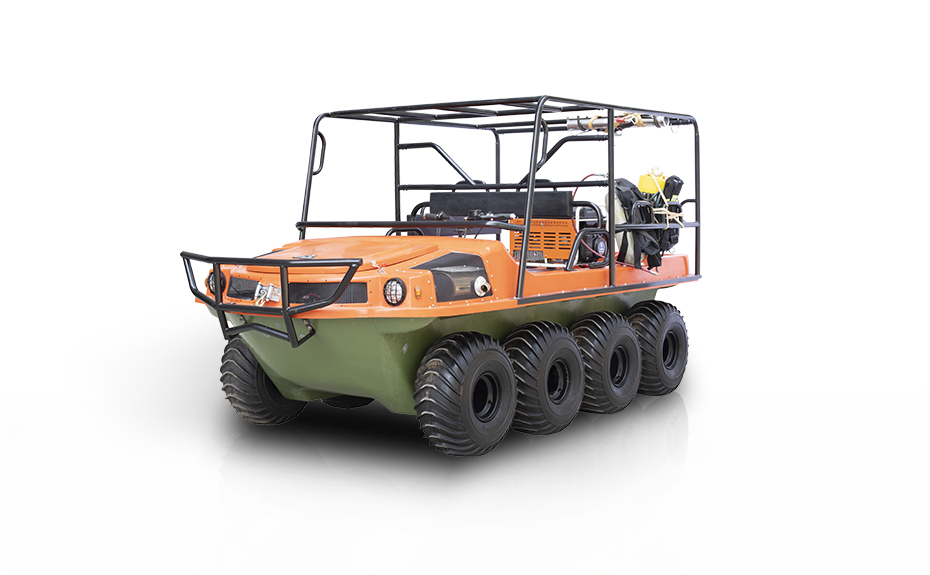
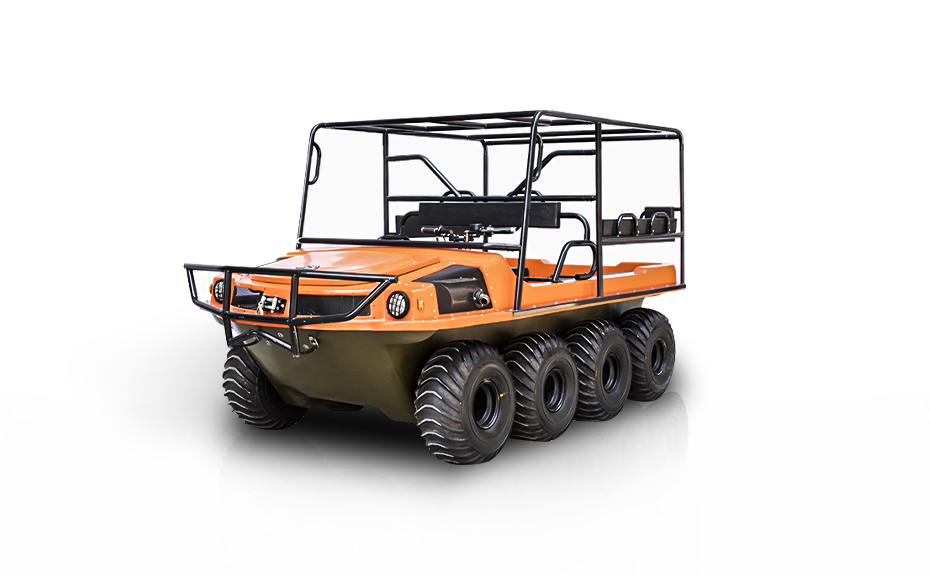
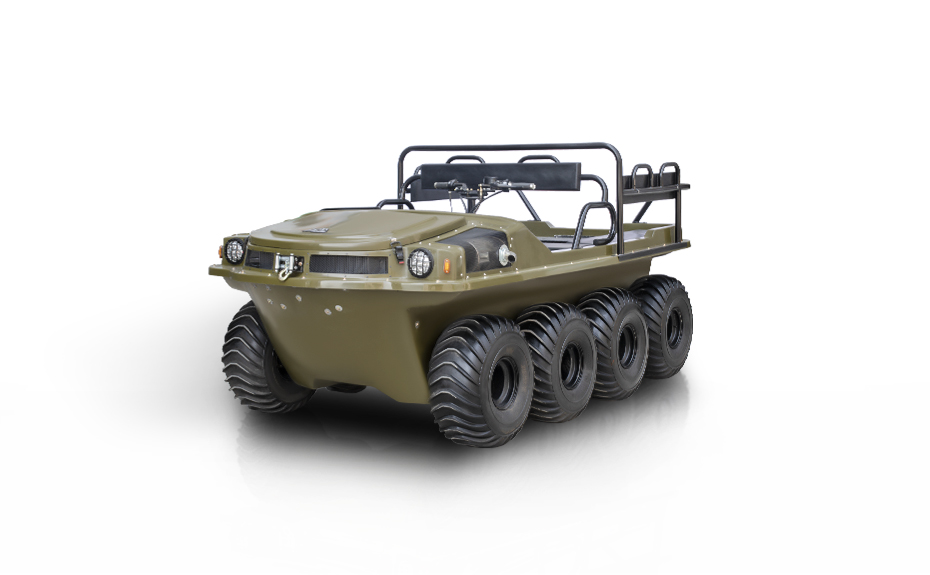
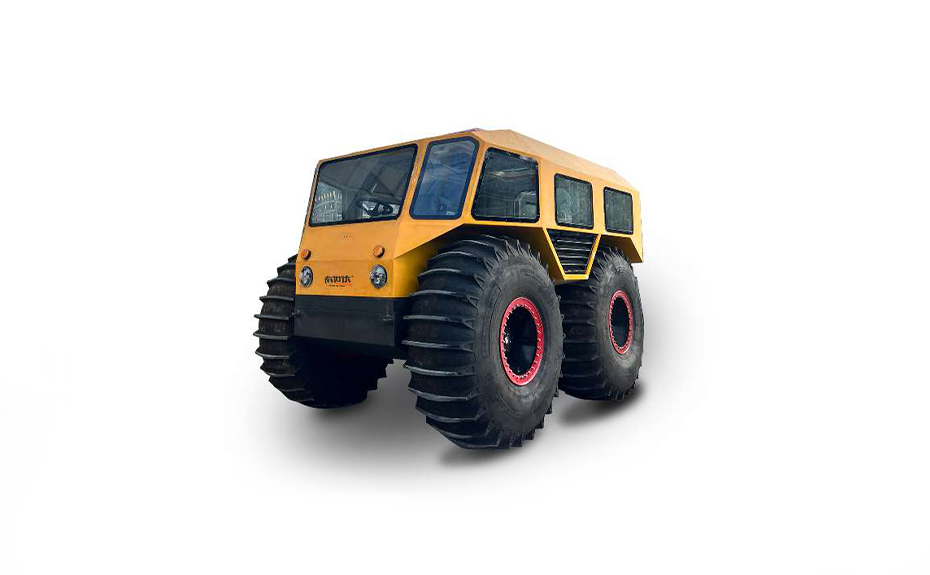
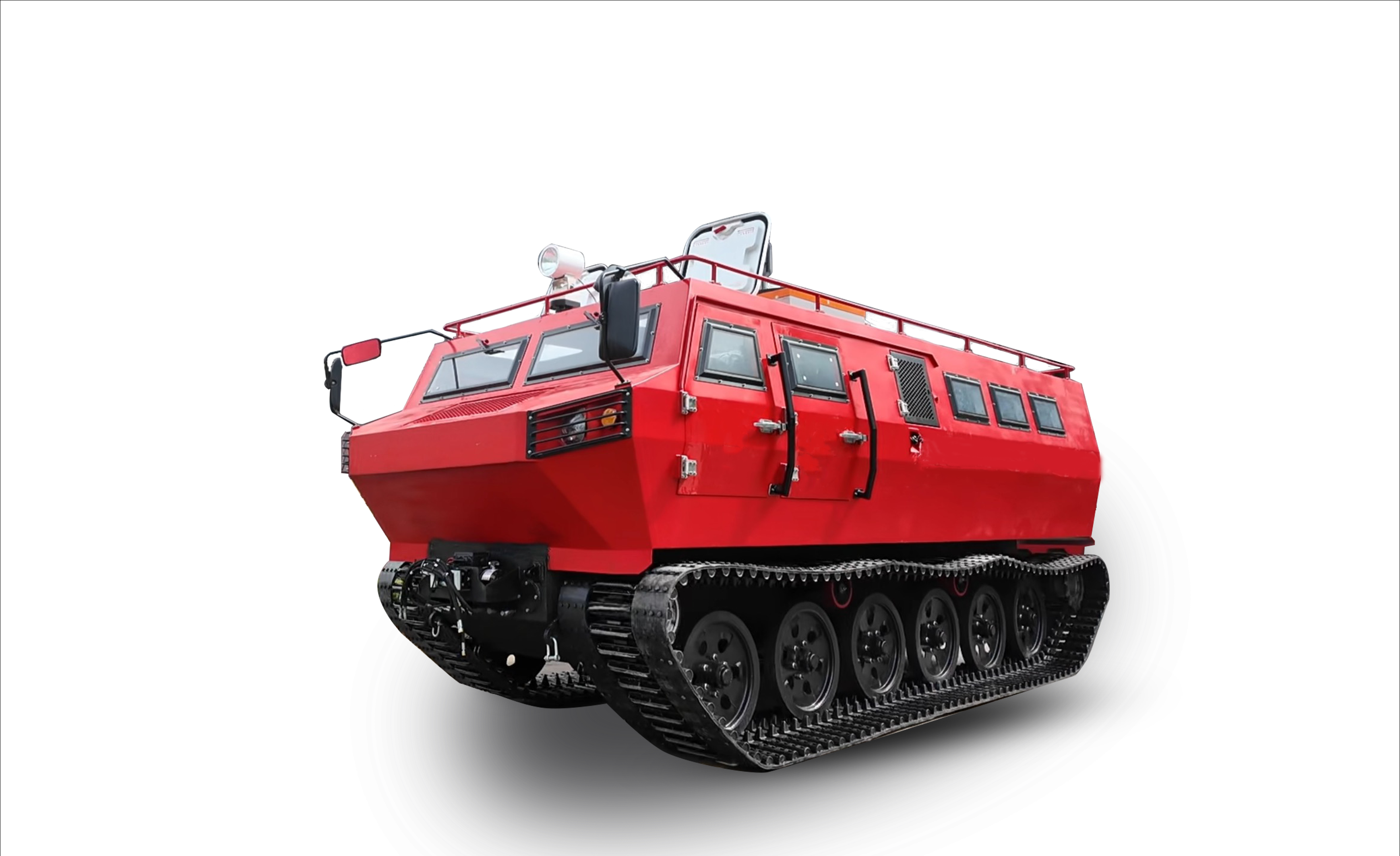
For navigating challenging off-road environments, the Tracked Utility Terrain Vehicle (UTV) from LINHAI HAISDER MACHINERY CO.,LTD is a powerful and versatile solution. Equipped with robust rubber or composite tracks instead of wheels, it delivers predominant traction, flotation, and stability on soft, uneven, or steep terrain such as mud, snow, sand, and rugged landscapes. This makes it an ideal choice for agricultural tasks, forestry work, hunting, property maintenance, and recreational exploration in areas inaccessible to conventional wheeled vehicles. Designed for utility and durability, it offers a reliable platform for transporting personnel, equipment, and cargo across demanding off-road conditions.



 浙ICP备2022029871号