
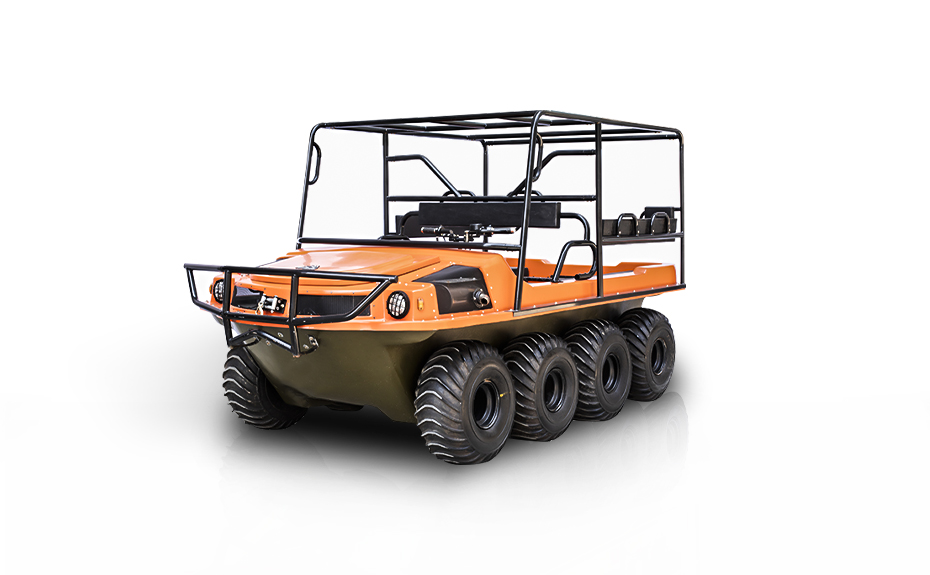
Transport Vehicles See Steady Advances in Design and Materials
The transport vehicles sector continues to evolve as manufacturers address demands for efficiency, durability, and performance. Transport vehicles are getting better in several practical ways these days. New developments are making a real difference in how they handle daily logistics work and passenger routes. Whether it’s stronger materials or upgraded intelligent systems, the goal remains the same: helping these vehicles stay on the road longer and operate more efficiently day after day.
Transport Vehicles High Strength Steel Material Application Range Expands
High strength steel has found use in more areas of transport vehicles over recent years. Frame structures, side panels, and load-bearing components now incorporate these materials in greater variety. The shift allows designers to reduce overall weight while maintaining structural support during heavy loads.
In practice, this expansion appears in several vehicle types:
- Trucks used for long-haul freight
- Buses operating in urban routes
- Specialized carriers for construction equipment
Production teams report that high strength steel integrates well with existing welding processes. This compatibility helps factories adjust lines without major overhauls. Engineers note improved resistance to bending under stress, which contributes to consistent handling across different road conditions. As high strength steel gets used in more areas, material suppliers are coming up with new varieties to better match the real needs of different transport vehicles — particularly those operating in stop-and-go city traffic.
Data from recent production cycles illustrates the trend:
| Vehicle Component | Previous Steel Usage (%) | Current High Strength Steel Usage (%) | Weight Reduction Observed (kg) |
| Chassis Frame | 45 | 68 | 180-250 |
| Cargo Container | 30 | 52 | 120-160 |
| Cabin Structure | 25 | 47 | 80-110 |
These figures reflect adjustments seen across multiple assembly plants in the past two years.
Transport Vehicles Battery Thermal Management Technology Continues to Upgrade
Battery systems in electric transport vehicles require careful temperature control to support reliable function. Thermal management technology has advanced through new cooling layouts and sensor arrangements. These updates help maintain even temperatures during both charging and extended driving periods.
Developments include:
- Liquid cooling channels integrated into battery packs
- Improved insulation materials around cell modules
- Real-time monitoring software that adjusts fan speeds and coolant flow
Transport vehicles operating in varied climates benefit from these refinements. In warmer regions, systems prevent overheating during uphill climbs with full loads. In colder areas, they support faster warm-up times before departure. Manufacturers test combinations in climate chambers that simulate seasonal changes across different routes.
One common setup uses a closed-loop coolant circuit connected to the vehicle’s main cooling system. Sensors placed at multiple points feed data to control units, allowing small adjustments throughout operation. Fleet operators observe steadier energy delivery and fewer interruptions related to temperature fluctuations. As battery capacities increase in larger transport vehicles, thermal management remains an active area of refinement.
Transport Vehicles Modular Chassis Manufacturing
Modular chassis designs gain attention in transport vehicles production for their flexibility. This approach allows factories to build base platforms that adapt to different body types and functions. A single chassis frame can serve as the foundation for cargo trucks, passenger vans, or specialized service vehicles.
Key elements of modular manufacturing include:
- Standardized connection points for body attachments
- Pre-assembled module sections for power and suspension systems
- Interchangeable components that reduce custom engineering time
The process supports quicker model updates in response to changing transport needs. Assembly lines use alignment fixtures to join modules with consistent accuracy. This method also simplifies repairs since damaged sections can be swapped without replacing the entire undercarriage.
Industry observations suggest modular chassis help streamline inventory management for parts suppliers. Transport vehicles built this way often show predictable maintenance patterns across fleets. Production data indicates reduced assembly hours per unit compared to traditional full-frame construction. As more facilities adopt similar systems, compatibility between different vehicle classes may increase over time.
Transport Vehicles Transport Equipment Corrosion Resistant Material Demand Increases
Corrosion resistant materials see higher demand in transport vehicles exposed to harsh environments. Salt spray from winter roads, coastal humidity, and industrial chemicals all affect metal surfaces over time. New coatings and alloy compositions address these challenges in frames, fasteners, and underbody components.
Common solutions in current use:
- Zinc-aluminum alloy coatings applied through hot-dip processes
- Polymer-based protective films for electrical connections
- Stainless steel elements in high-exposure areas like exhaust systems
Fleet maintenance records show that transport vehicles with enhanced corrosion protection require less frequent undercarriage treatments. This change affects operating costs for companies running vehicles year-round. Material suppliers develop formulations tested under accelerated weathering conditions to predict long-term performance.
Demand grows particularly for vehicles operating near ports or in regions with heavy snowfall. The materials add some weight but provide extended intervals between major inspections. Manufacturers balance these factors during design reviews to meet both durability and efficiency goals.
Transport Vehicles Large Transport Vehicles Aerodynamic Optimization
Aerodynamic features continue to develop for large transport vehicles to reduce air resistance during highway travel. Changes to cab shapes, trailer skirts, and rear fairings contribute to smoother airflow around the vehicle. These adjustments support steadier fuel consumption on long routes.
Typical optimization areas include:
- Rounded front corners on tractor units
- Side panels that close gaps between cab and trailer
- Rear diffusers that manage wake turbulence
Testing occurs in wind tunnels equipped with rolling roads that simulate real speeds. Engineers measure drag coefficients across different configurations and load heights. Many large transport vehicles now incorporate adjustable elements that drivers or automated systems can modify based on current conditions.
Real-world monitoring from fleet telematics shows gradual improvements in energy use per kilometer. Operators report better stability in crosswinds as a secondary benefit. Design teams combine aerodynamic elements with other vehicle systems, such as cooling intakes positioned to minimize drag while maintaining airflow. The cumulative effect appears across many fleets operating similar routes.
These developments across high strength steel, thermal management, modular chassis, corrosion resistance, and aerodynamics reflect ongoing work in the transport vehicles field. As requirements from logistics networks evolve, manufacturers continue to explore combinations that address multiple performance aspects together. The sector maintains focus on practical solutions that support daily operations while adapting to new technical possibilities.



 浙ICP备2022029871号