
Transport Vehicles Segmented by Specialized Function
The term transport vehicles encompasses a vast and critical segment of the global economy, representing the physical assets that move goods and people. This category, however, is not monolithic; it is defined by distinct specializations that serve unique market needs. The landscape of transport vehicles can be effectively understood through a focused look at three key operational spheres: the specialized niche of vehicle-on-vehicle transport, the expansive commercial logistics network, and the broad definition that includes all modes of conveyance. Each area demonstrates how the function and design of transport vehicles are intricately tailored to their specific tasks, driven by evolving demand, technological integration, and efficiency goals.
What is Professional Automobile Transport?
Within the world of transport vehicles, a specialized segment is dedicated solely to moving other vehicles from factories to dealerships, between auctions, or for private owners. These are not generic trucks but highly engineered transport vehicles like multi-level car carriers and enclosed trailers. The design prioritizes secure, efficient, and sometimes protected movement of high-value automotive cargo. An open car carrier, a common sight on highways, can typically transport between 5 to 9 standard passenger vehicles per trip, big load efficiency for high-volume routes such as delivering new cars from ports. The demand for these services is closely tied to automotive sales and production cycles, with specialized online freight marketplaces listing over one million loads annually in some regions, connecting shippers with a network of qualified carriers who operate these specific types of transport vehicles. The focus here is on the vehicle not as a means of transport, but as the protected cargo itself.
How Do Logistics and Transportation Services Operate?
The many commercially dominant application of transport vehicles lies within the logistics and freight service industry. This sphere utilizes a vast fleet of transport vehicles—including semi-trailer trucks, box trucks, and vans—as the mobile assets in a complex supply chain. These transport vehicles are the workhorses that move the raw materials and finished goods supporting retail, manufacturing, and e-commerce. The scale is immense, with millions of these transport vehicles operating daily. The industry's evolution is marked by a strong push toward technological integration, with telematics and fleet management software now standard for optimizing routes, monitoring vehicle health, and improving fuel efficiency. For example, the adoption of such technology has been linked to reductions in fuel costs for fleets, contributing to both economic and environmental performance. This sector views transport vehicles as managed assets within a larger service-oriented business model focused on timely delivery and cost control.
What Constitutes the Broad Spectrum of Transport Vehicles?
Beyond commercial freight, the definition of transport vehicles extends to any machine designed to move people or goods from one location to another. This includes the transport vehicles used in public transit systems, such as buses and trams, personal transport vehicles like automobiles and motorcycles, and specialized industrial transport vehicles like forklifts and terminal tractors that operate within confined areas. This category is united by the core function of transportation, though the operational scope, regulatory environment, and user base differ dramatically from long-haul trucking. Innovations here often focus on alternative power sources, automation, and enhancing user accessibility, reflecting diverse societal needs beyond pure logistics.
The universe of transport vehicles is segmented by purpose. From the specialized carriers moving automobiles as delicate cargo, to the vast logistics fleets forming the backbone of global trade, and finally to the comprehensive array of machines serving public and private mobility, each type of transport vehicle is engineered for a specific role. The common thread is their indispensable function in enabling motion and commerce, with ongoing trends in digitization and efficiency shaping the future of each segment. Understanding these distinctions is key to analyzing market dynamics, technological investments, and the future of mobility across all sectors.
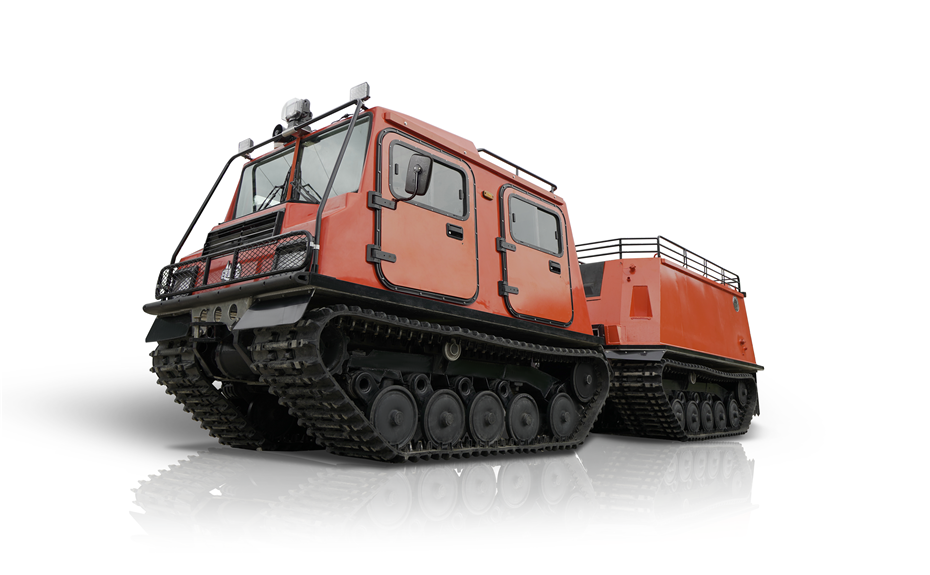
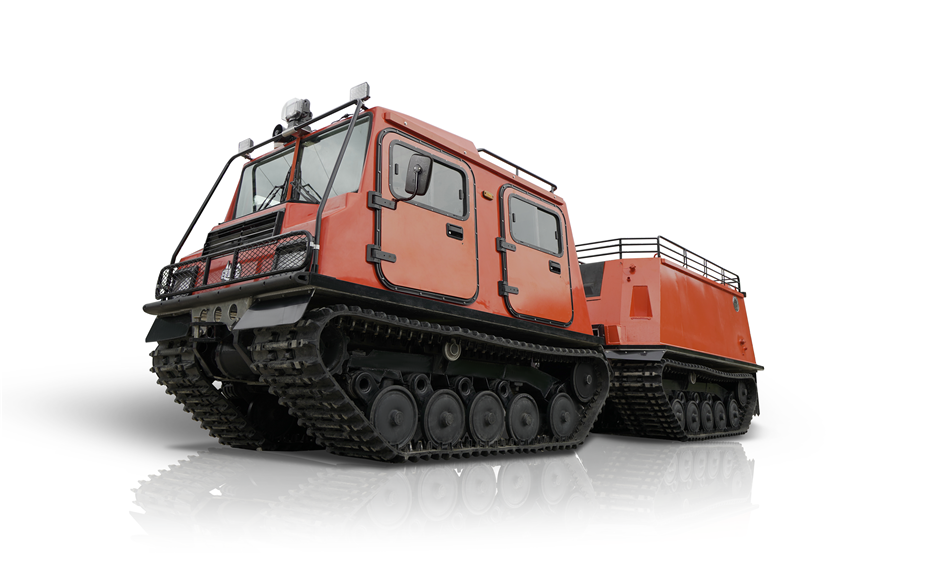
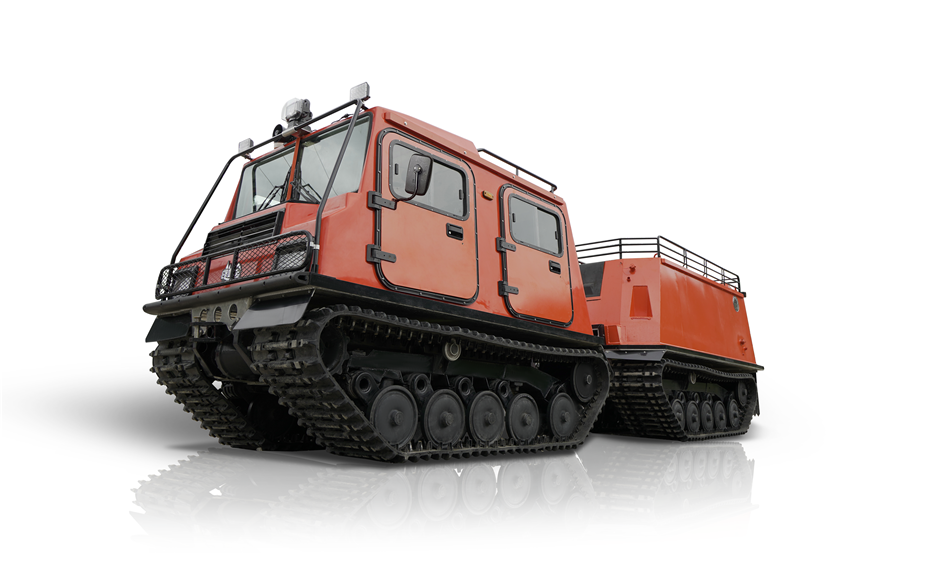
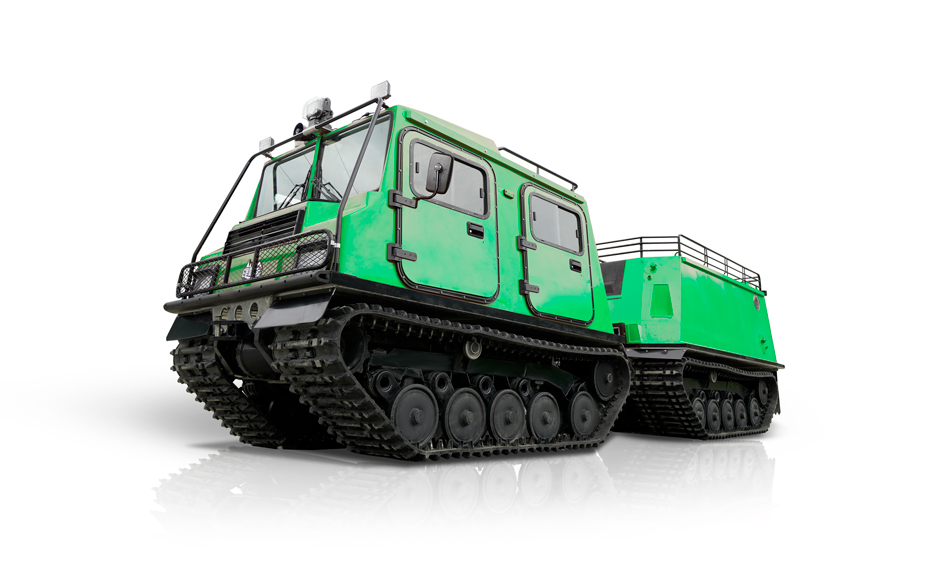
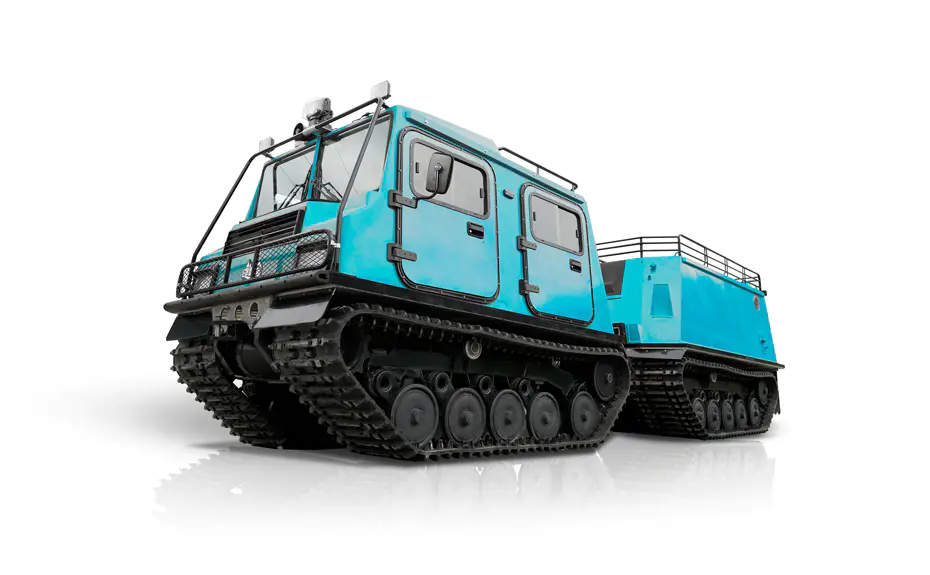
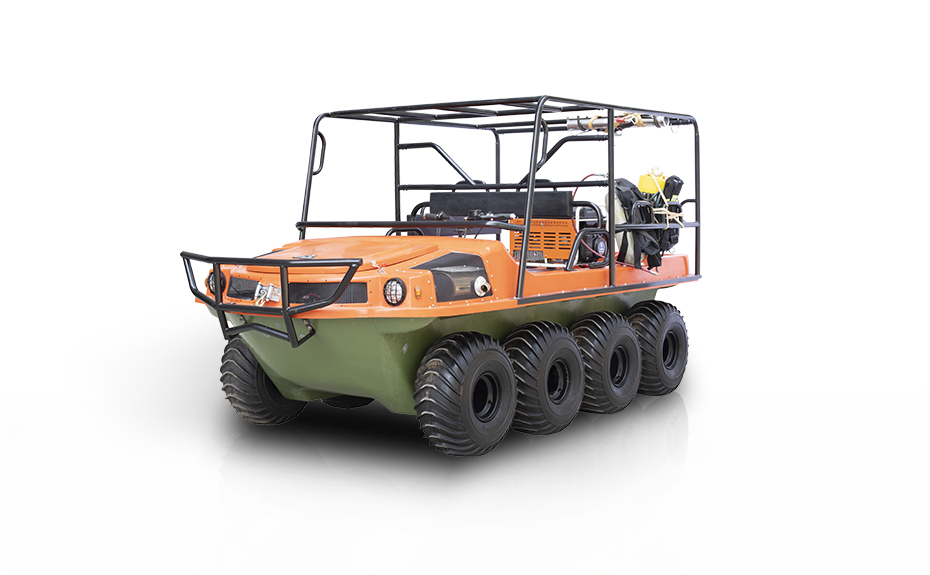
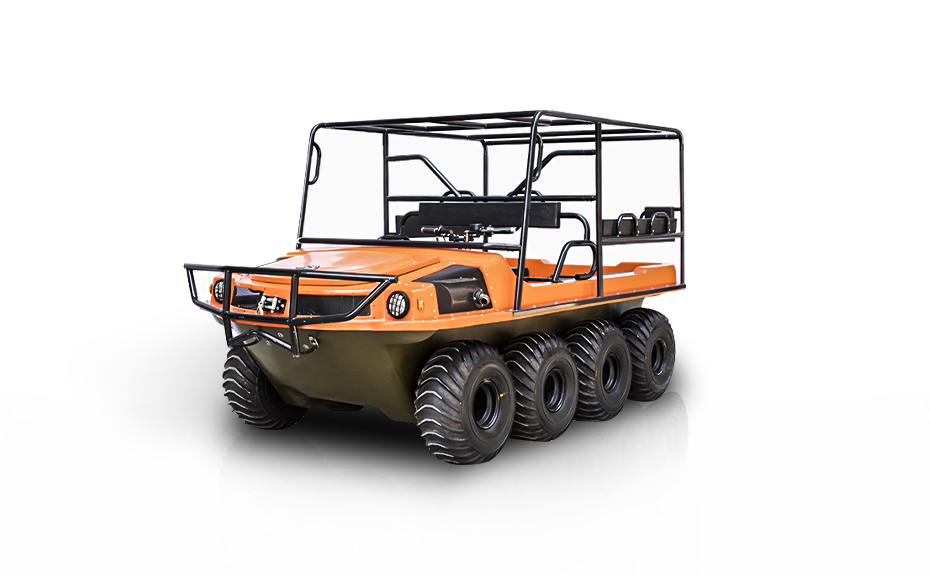
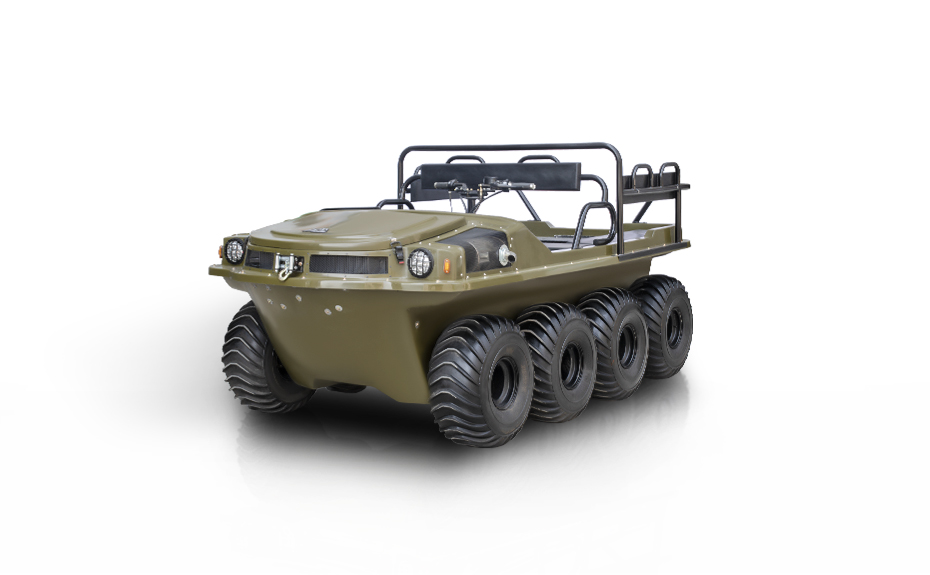
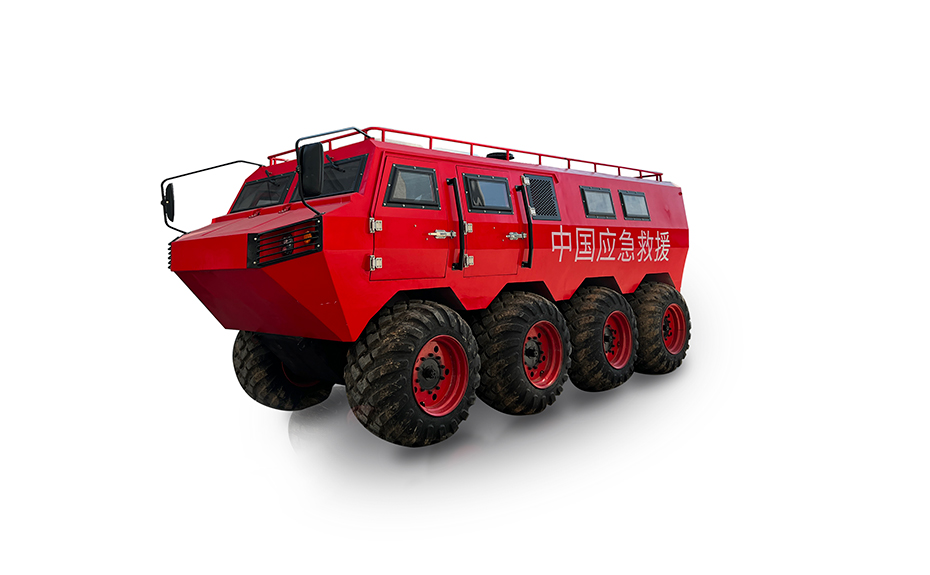
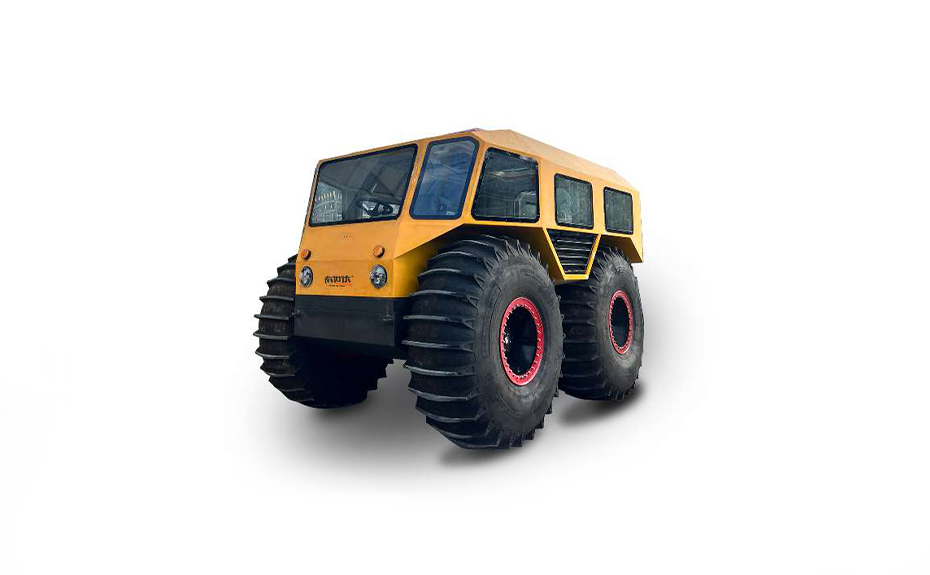
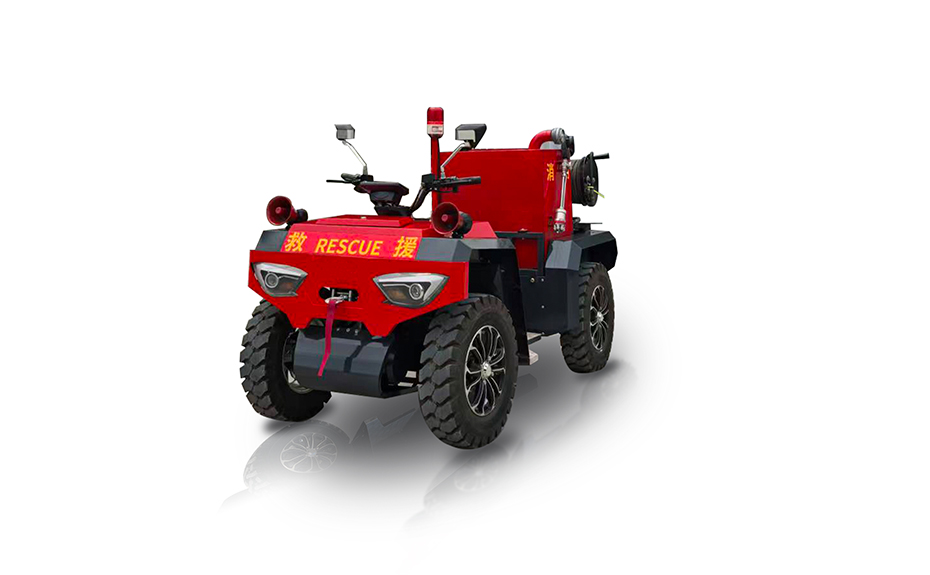
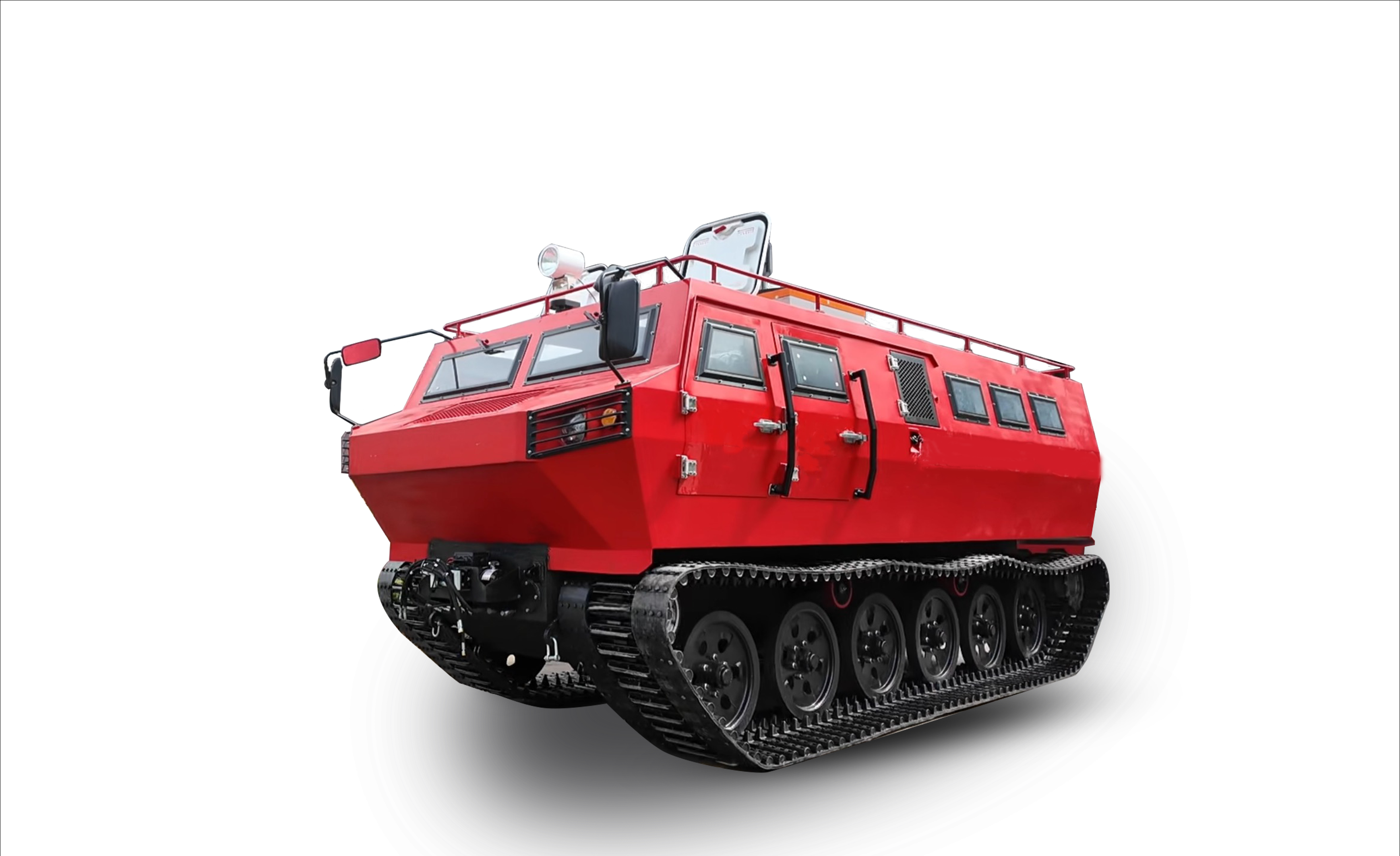
The Tracked Utility Terrain Vehicle (UTV) from LINHAI HAISDER MACHINERY CO., LTD. is a specialized all-terrain solution engineered for demanding work and transport applications in challenging environments. Unlike wheeled models, this vehicle features a robust tracked undercarriage that provides predominant traction, flotation, and stability on soft, uneven, or slippery surfaces such as mud, snow, and steep inclines. It is designed to serve as a versatile platform for utility tasks, material transport, and personnel mobility in sectors like agriculture, forestry, construction, and land management, offering reliable off-road performance where conventional vehicles may struggle.



 浙ICP备2022029871号