
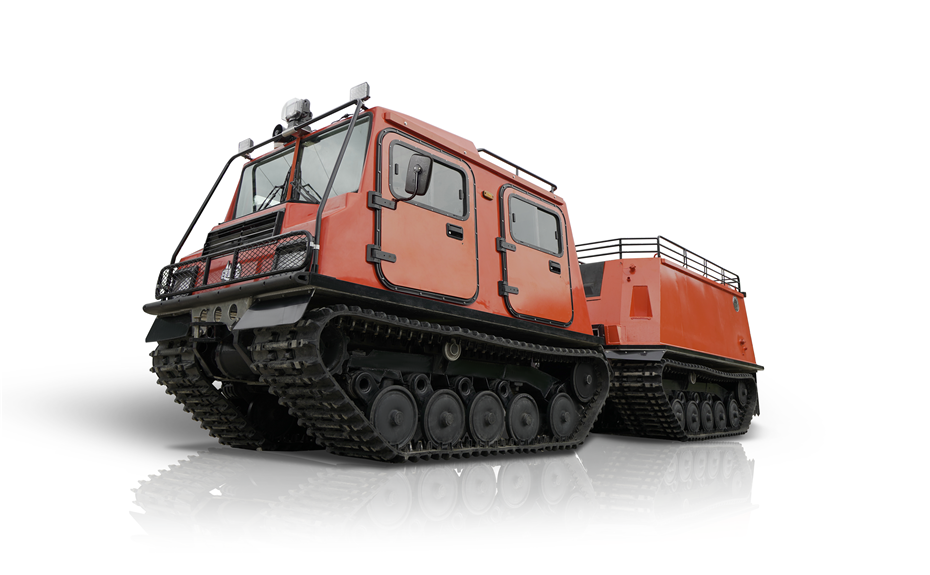
What Makes Robot Tracks Different From Wheels?
Why Tracks Instead of Wheels
Wheels work well on flat, predictable surfaces, but they struggle once the ground gets loose, soft, or littered with debris. A wheel can sink into sand or get caught on an obstacle that a track simply rolls over. Robot tracks distribute the robot's weight across a longer contact area with the ground, which reduces ground pressure and helps prevent sinking into soft or uneven terrain.
That wider contact patch also improves grip. The track surface, often molded with a tread pattern similar to tire tread, digs into loose material and maintains traction in conditions where a smooth wheel would spin uselessly. For robots operating in construction sites, disaster response zones, or agricultural fields, that traction difference often determines whether the robot can complete its task at all.
What Robot Tracks Are Made Of
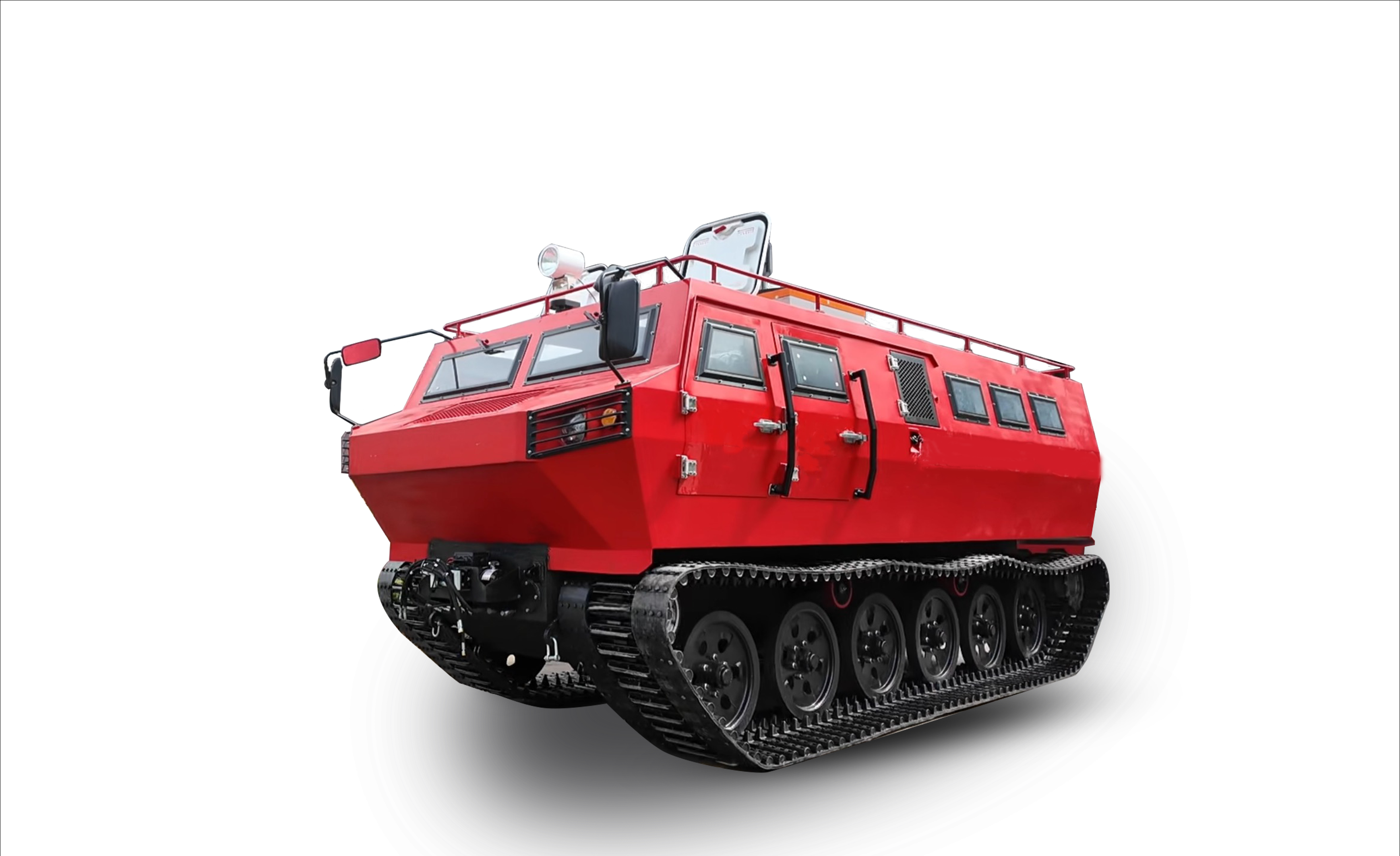
Most track systems for mobile robots use a rubber compound reinforced with fabric or steel cord, similar in concept to industrial conveyor belting but shaped into a closed loop that wraps around drive wheels and idler wheels. The rubber provides flexibility and grip, while the internal reinforcement keeps the track from stretching under tension as it moves.
Some robot tracks incorporate steel or composite links embedded directly into the tread, adding rigidity for applications involving heavier loads or rougher surfaces. Lighter-duty robots, such as those used for indoor inspection or small-scale agricultural tasks, often use simpler all-rubber tracks without heavy internal reinforcement, since the terrain demands are less extreme.
Where These Robots Get Used
- Search and rescue operations, navigating rubble and unstable debris fields
- Agricultural robotics, moving across soil, crop rows, and uneven field terrain
- Construction site robots, handling gravel, mud, and shifting ground conditions
- Military and defense platforms, operating across varied and unpredictable terrain
- Warehouse and logistics robots designed for outdoor or semi-rough transitions between zones
Each application shapes the track design differently. A search and rescue robot might prioritize a narrower profile that can squeeze through tight gaps, while an agricultural robot needs a wider track to avoid compacting soil too heavily as it moves across a field.
Track Width, Tension, and Drive Systems
Track width affects both stability and ground pressure. A wider track spreads weight over more surface area, which helps on soft ground but can add bulk that limits maneuverability in tighter spaces. Buyers sourcing components for robot platforms often need to balance these two factors based on the specific environment the robot will operate in.
Tension also matters quite a bit. A track that's too loose can slip off its wheels during sharp turns or sudden obstacles, while one that's too tight puts extra strain on the drive motor and wears down faster. Many modern track systems include tensioning mechanisms that let engineers adjust this during assembly or after extended use.
Drive systems typically pair the track with a motor connected to a sprocket or drive wheel, which pulls the track around its loop. Some robots use independent left and right track drives, allowing the robot to turn by varying the speed or direction of each side, similar to how a tank steers.
Sizing Tracks for the Right Application
Smaller robots, like compact inspection units, generally pair with narrower, lighter tracks that keep the overall platform agile. Larger robots built for heavier payloads or rougher terrain typically need wider robot tracks with more robust internal reinforcement to handle the added stress. Buyers developing OEM robot platforms often work closely with track suppliers to match track dimensions, tread pattern, and reinforcement type to the robot's intended payload and operating environment, since a mismatch here can affect both mobility and how the platform holds up under regular use.



 浙ICP备2022029871号