
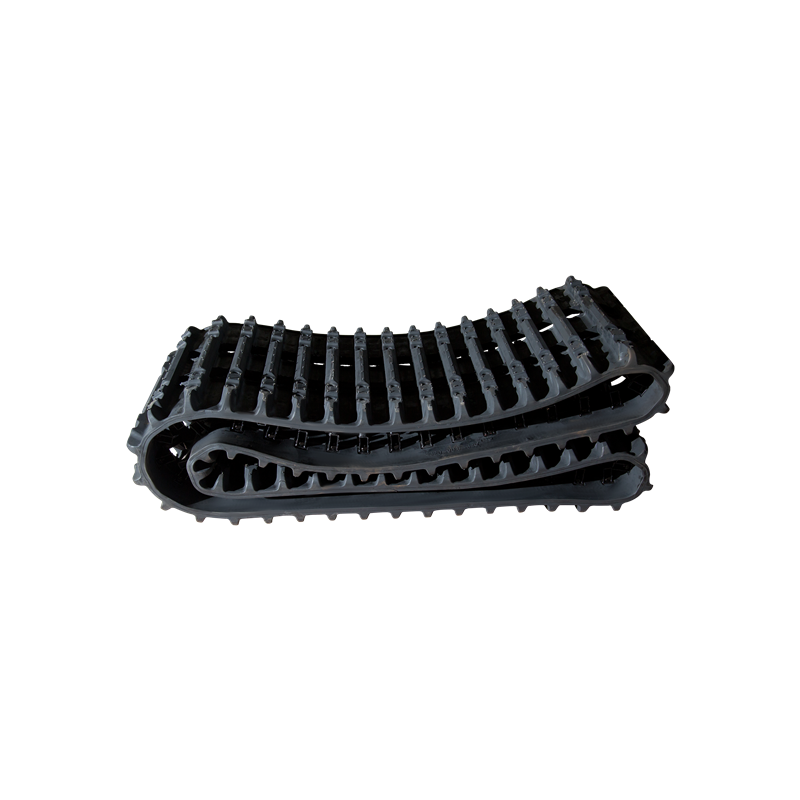
What Should You Know About Heavy Duty ATV Mounting Frame Design
In real working environments, an ATV is rarely used in its original form for long. As soon as operators start adding tools, cargo systems, or functional attachments, the structure of the vehicle becomes just as important as the machine itself. This is where heavy duty mounting frame design starts to matter in a practical way.
A mounting frame is not something people usually think about at the beginning. It is often noticed later, when equipment needs to stay stable under repeated use, or when different working conditions begin to challenge how the vehicle performs. In many cases, the frame becomes the silent factor that decides whether the setup feels reliable or constantly needs adjustment.
Understanding the role of a mounting frame in ATV systems
A mounting frame is the connection point between the vehicle and additional equipment. It supports tools, cargo, protective structures, or working devices that are added later.
Instead of being a decorative part, it works as a functional bridge. If this bridge is not stable, even well-made accessories can behave unpredictably during operation.
In many working scenarios, the frame is expected to handle:
- repeated vibration from uneven ground
- changing load conditions during use
- long operating hours without adjustment
- multiple accessory configurations
Because of this, the design is not only about shape, but also about how the structure behaves over time.
Why heavy duty design is not just about strength
The term "heavy duty" is often misunderstood as simply making parts thicker or stronger. In real engineering practice, it is more about balance than size.
A well-designed frame needs to handle stress while still maintaining stability in movement. If the structure is too rigid in the wrong areas, it may transfer vibration instead of absorbing it.
Designers usually consider:
- how force spreads across the frame
- how joints react under continuous movement
- how accessories influence balance
- how the structure performs after repeated use
Strength alone does not guarantee stability. Real performance depends on how the entire system behaves as a unit.
Working conditions that influence frame design
Uneven terrain and surface variation
ATVs are commonly used in environments where the ground is not predictable. Surfaces can change within short distances, shifting from firm to soft or from flat to irregular.
These changes create constant variation in how force is applied to the frame. A stable design needs to adapt to this without losing structural balance.
Continuous vibration during operation
Even when the vehicle is not under heavy load, movement across rough ground creates ongoing vibration. Over time, this can affect how connections hold together.
A well-structured frame reduces the impact of vibration by distributing movement instead of concentrating it in one area.
Changing equipment configurations
In many industries, ATVs are not used for a single purpose. Equipment may be added or removed depending on the task.
This means the mounting frame must support flexibility without losing structural integrity. A rigid single-use design often limits long-term usability.
Key principles in mounting frame design
Load distribution instead of load concentration
One of the most important design ideas is how weight is spread across the structure. If force is concentrated in a small area, stress builds up faster.
A balanced frame helps distribute load across multiple points, which supports more stable performance during operation.
Structural alignment with vehicle movement
The frame must work with the natural movement of the ATV. If the design conflicts with movement direction, it may create unnecessary stress during use.
Good design usually follows the motion patterns of the vehicle rather than resisting them.
Connection stability between components
Mounting points are often where most issues appear over time. If connection areas are not well designed, small shifts can gradually increase during use.
Stable connection design helps maintain alignment even after repeated operation cycles.
Material selection in real applications
Material choice plays an important role in how the frame performs over time, but it is not only about durability. It is also about behavior under stress.
Different materials react differently to vibration, load changes, and environmental exposure.
In practical use, designers often consider:
- how the material reacts to repeated movement
- how it behaves under continuous pressure
- how it performs in different environmental conditions
- how stable it remains after long use
Instead of focusing only on strength, material selection is usually about long-term consistency.
How design affects real working performance
Stability during equipment operation
When equipment is attached to a poorly designed frame, small movements can become noticeable during operation. This may not stop the work, but it can reduce precision and comfort.
A stable frame reduces unnecessary movement and helps maintain consistent operation.
Ease of modification and adjustment
In real-world use, users often adjust equipment setups. A practical design allows these changes without requiring major structural modification.
This flexibility is especially useful in multi-purpose working environments.
Impact on maintenance needs
A well-designed frame can reduce the frequency of adjustments over time. If the structure holds alignment naturally, less maintenance is needed to keep performance stable.
Common design challenges in heavy duty ATV frames
Balancing flexibility and rigidity
One of the most difficult parts of design is finding balance. A frame that is too rigid may not adapt well to movement, while a frame that is too flexible may lose stability.
Designers often work within a narrow range between these two conditions.
Managing long-term stress points
Even if a frame works well at the beginning, certain areas may experience repeated stress over time. These points need to be identified early in the design stage.
Without proper planning, small stress points can gradually become performance issues.
Ensuring compatibility with different equipment types
ATVs are used with a variety of attachments. A single frame design may need to support different configurations.
This requires careful planning to avoid limitations in future use.
Practical considerations for buyers and operators
When selecting or evaluating a mounting frame system, users usually focus on real-world behavior rather than theoretical design.
Common considerations include:
- how stable the structure feels during movement
- whether adjustments are needed frequently
- how well the system handles different working conditions
- how the frame interacts with added equipment
These factors are often more important than appearance or technical descriptions.
Simple comparison of design focus areas
| Design Area | What It Influences | Real-World Impact |
|---|---|---|
| Load distribution | Structural balance | Stability during use |
| Connection points | Long-term alignment | Maintenance frequency |
| Material behavior | Durability over time | Consistency in operation |
| Frame flexibility | Adaptability | Equipment compatibility |
| Vibration control | Operator experience | Smoothness of movement |
How real usage shapes design improvements
In many cases, design improvements come from observing real usage rather than theoretical planning. Field feedback often reveals how frames behave after long periods of operation.
Small adjustments in structure or connection design can make noticeable differences in long-term stability.
This is why heavy duty frame design is often an ongoing process rather than a fixed concept.
The relationship between frame design and equipment performance
The mounting frame does not work alone. It directly affects how other equipment behaves during use.
If the frame is stable, accessories tend to perform more consistently. If the frame shifts or flexes too much, even high-quality equipment may not perform as expected.
This connection makes frame design an important part of the overall system rather than a separate component.
Why real conditions matter more than ideal design
In controlled environments, many designs can perform well. However, real working conditions are less predictable.
Changes in terrain, load, weather, and usage patterns all affect performance. Because of this, practical testing and real-world evaluation are often more important than theoretical calculations.
A good design is not only measured by how it performs in ideal conditions, but also by how it behaves when conditions change.
Heavy duty ATV mounting frame design is not just a structural topic. It is a practical engineering field that connects vehicle performance, equipment stability, and real working conditions.
Instead of focusing only on strength or size, modern design considers how the system behaves over time, how it adapts to changing environments, and how it supports different working needs.
In real applications, the value of a mounting frame is not always visible at first. It becomes clear through consistent use, stable performance, and reduced adjustment over time. That is where good design shows its real function.



 浙ICP备2022029871号