
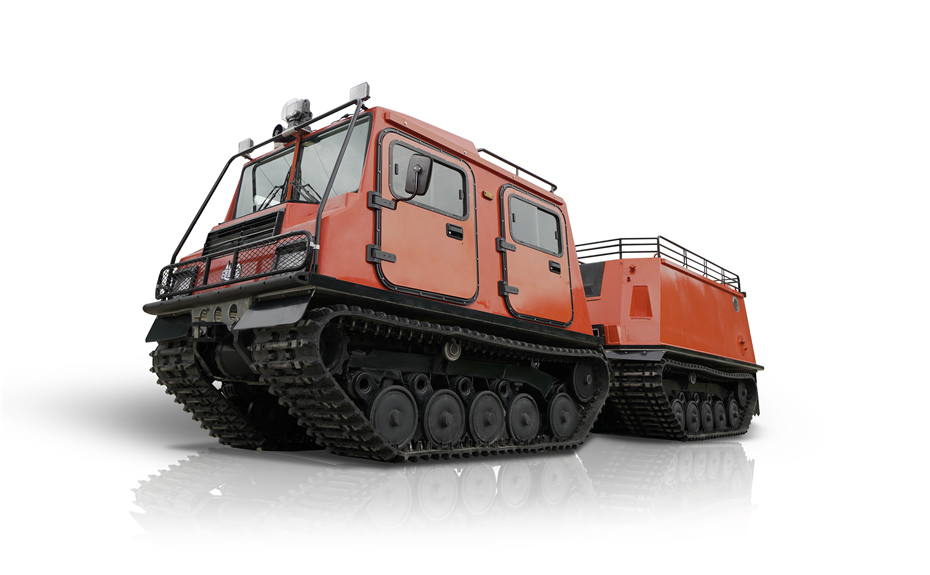
When Do You Need a Tracked Utility Terrain Vehicle
In real working sites, machines are not judged in ideal conditions. Flat ground, clean paths, and stable surfaces only exist in planning documents. Once work actually begins, the environment usually changes faster than expected.
A Tracked Utility Terrain Vehicle is rarely introduced at the start of a project. It tends to come into consideration later, when operators begin to feel that movement is no longer as steady or as easy to control as it used to be. This usually happens gradually during daily work rather than through a planned decision.
When movement starts feeling less smooth without a clear reason
Small differences that show up during real operation
At first, nothing feels wrong. The machine still moves normally, carries load, and follows direction. But after some time in real use, small differences begin to appear.
Operators may notice things like:
- movement not feeling as light as before
- slightly more effort needed when turning
- certain ground sections behaving differently
These changes are easy to ignore at the beginning, because they do not stop the work. But they slowly affect how comfortable and predictable the machine feels during operation.
When repeated routes make changes more noticeable
As the same paths are used again and again, the surface condition starts to change. Even if the machine itself is unchanged, the environment is not the same anymore.
What once felt like a simple travel line can gradually become:
- a path that needs more correction during movement
- a route where steering is less consistent
- an area where speed naturally slows down
At this stage, teams usually start paying more attention to how stable the machine feels instead of just whether it can move.
When soft soil starts reacting to repeated pressure
Why soft ground behaves differently over time
Soft soil is not always easy to judge visually. It may look stable when no load is present. But once machines pass over it repeatedly, the structure begins to shift.
You may start to see:
- ground slowly compressing along travel paths
- uneven surface depth forming in used areas
- movement resistance increasing slightly over time
It does not happen suddenly. It builds up quietly as work continues.
When wheel-based movement becomes harder to maintain
Wheeled machines depend a lot on surface firmness. Once the ground starts changing, even small differences can affect performance.
This often shows up as:
- less stable grip in certain sections
- small slips during direction changes
- uneven travel feel across the same route
Tracked movement behaves differently here because contact with the ground is spread more evenly, which helps reduce sudden changes in traction.
When muddy conditions change how control feels
Even light mud can affect daily operation
Mud does not have to be deep or extreme to cause issues. In many real work situations, even a thin layer is enough to change movement behavior.
Operators often describe it in simple terms:
- the machine still moves, but not as smoothly
- direction changes feel less precise
- small slips appear without warning
These are not full breakdown situations, but they do affect comfort and control during operation.
When stability becomes more important than movement speed
In muddy environments, the question is rarely about how fast the machine can go. It is more about how stable it feels while moving.
Once control becomes slightly uncertain, operators naturally slow down and focus more on steady operation.
Tracked systems are often chosen in these situations because they maintain more consistent ground contact even when surface conditions change.
When slopes make handling feel more sensitive
Slight inclines can still change machine behavior
Slopes do not need to be steep to have an effect. Even gentle changes in elevation can influence how a machine behaves during movement.
Common experiences include:
- one side feeling slightly heavier during movement
- steering requiring more attention than usual
- stopping and starting feeling less stable
These are subtle differences, but they become more noticeable during repeated operation.
Why ground contact stability becomes the key factor
On sloped terrain, the main challenge is keeping consistent contact with the surface. Once that contact becomes uneven, control naturally feels less stable.
Tracked systems help reduce this effect by keeping a larger and more continuous contact area with the ground, which makes movement feel more balanced.
When different ground types appear in the same working area
Mixed surfaces create constant adjustment needs
Many job sites are not uniform. One section may be firm, another soft, and another slightly uneven. These changes can happen within a very short distance.
Operators may experience:
- different resistance from one area to another
- changing control response during travel
- inconsistent movement behavior across the same route
When consistency becomes more valuable than raw capability
In mixed terrain, performance is not just about power or speed. It is about whether the machine behaves in a stable and predictable way.
A machine that stays consistent across different surfaces reduces the need for constant correction and helps keep workflow more stable throughout the day.
When weather slowly changes working conditions during operation
Ground conditions rarely stay the same all day
Weather can influence working surfaces more than expected. Rain, temperature shifts, or even long working hours can change how the ground behaves.
It is common to see:
- dry ground becoming softer after exposure
- previously firm paths becoming slippery
- surface texture changing during repeated use
When adaptability becomes more important than fixed performance
Equipment that works well in one condition may not behave the same way later in the day.
Tracked systems are often preferred because they can maintain more stable movement even when the ground condition changes during operation.
When repeated movement begins changing the working path itself
Continuous use gradually reshapes the surface
In many projects, machines travel the same routes multiple times. At first, this seems harmless, but over time the ground begins to respond to repeated pressure.
You may start to notice:
- deeper tracks forming along frequent routes
- uneven surface compacting in certain areas
- movement becoming slightly harder over time
When small surface changes affect overall efficiency
These changes do not stop work, but they slowly affect efficiency. More energy is needed to move across the same path, and travel becomes less smooth than before.
Tracked movement helps reduce concentrated pressure, which can slow down how quickly the surface changes.
When working environments are far from prepared conditions
Natural terrain brings more uncertainty
In remote or undeveloped areas, ground conditions are rarely controlled. There may be no structured roads or prepared surfaces.
These environments often include:
- uneven natural ground
- unpredictable surface firmness
- limited defined access paths
When flexibility matters more than assumptions
Machines designed for prepared environments may struggle when conditions are too variable.
Tracked vehicles are commonly used here because they do not rely on fixed road quality and can continue operating across natural terrain more consistently.
When space is limited and movement needs more precision
Tight working areas change how machines are operated
Some job sites are restricted by physical boundaries. This limits movement space and requires more careful operation.
Operators often need to:
- adjust direction more frequently
- move at slower, controlled speeds
- position the machine more precisely
When low-speed stability becomes more important
In confined spaces, even small movement changes become noticeable. Stability during slow movement becomes more important than overall speed.
Tracked systems tend to feel more controlled in these environments because movement remains steady even at lower speeds.
When protecting the ground becomes part of the requirement
Some projects require minimal surface impact
In certain industries, preserving ground condition is part of the work requirement itself.
This is common in:
- agricultural operations
- landscaping environments
- sensitive natural areas
Why pressure distribution matters in real use
Repeated heavy pressure can create long-term surface damage. Tracked systems help reduce this by spreading contact more evenly across the ground, which lowers concentrated impact.
When load conditions change throughout daily operation
Variation in load is normal in real work
In practical use, load conditions are rarely constant. Materials, tasks, and timing all influence how weight is distributed.
Operators may notice:
- changes in balance during movement
- variation in traction depending on load
- different stability feel throughout the day
When steady ground contact becomes more valuable
Tracked systems help maintain more consistent contact with the ground, which reduces the effect of load variation on movement stability.
When small inefficiencies start adding up
Early changes are easy to overlook
At first, small delays or adjustments do not seem important. The machine still works, and tasks are still completed.
When the pattern becomes visible in daily work
Over time, these small differences begin to form a pattern:
- slightly slower movement overall
- more frequent correction during operation
- reduced smoothness in workflow
This is often when equipment choice is reconsidered based on real site behavior rather than initial expectations.
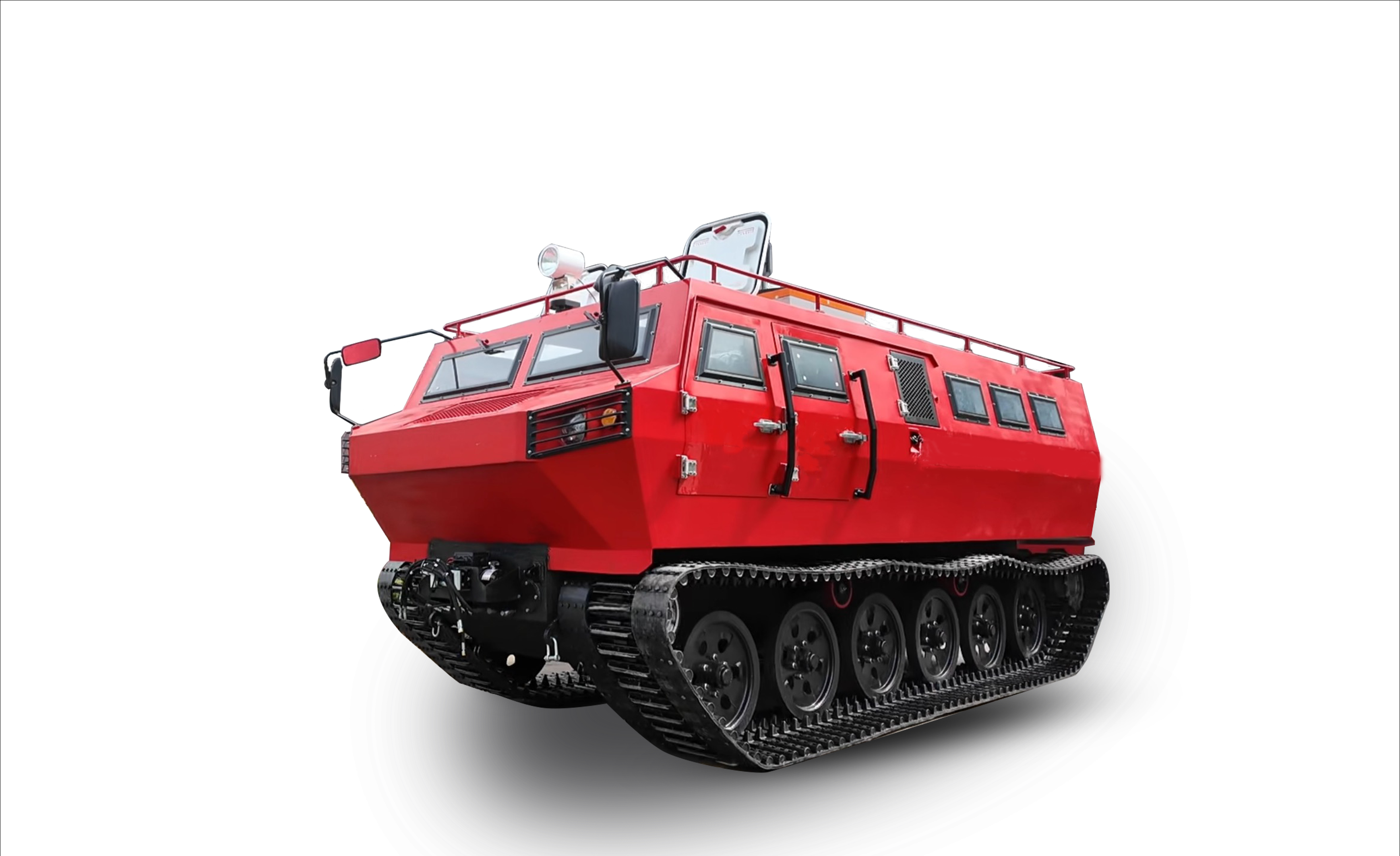
A Tracked Utility Terrain Vehicle becomes relevant when working conditions begin to affect movement consistency. It is not about a single issue, but a combination of changing ground, terrain variation, and operational demands.
In real applications, the decision is rarely about replacing equipment completely. It is more about matching the machine type with actual site conditions.
When stability becomes harder to maintain with standard movement systems, tracked solutions naturally become part of the discussion in practical field operations.



 浙ICP备2022029871号