
Which Mechanical Parts Keep Tracks Rolling?
Mechanical parts form the foundation of reliable performance in vehicles designed for challenging environments. Manufacturers like Haishida produce a range of components that support tracked utility terrain vehicles and amphibious models, enabling consistent operation across varied surfaces. This article explores key mechanical parts used in such systems, drawing from established practices in the industry.
Understanding Continuous Track Systems
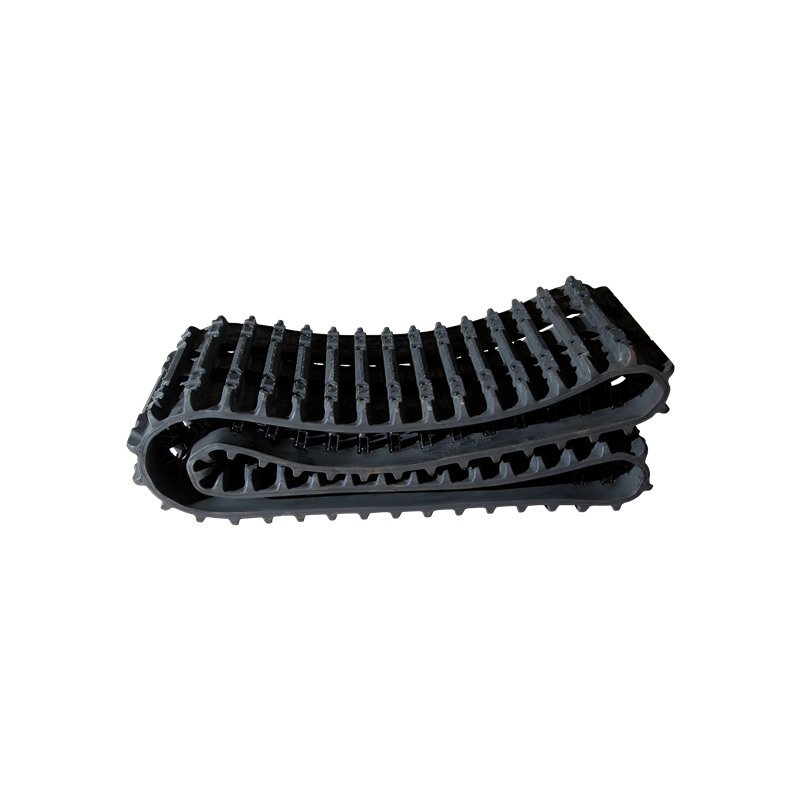
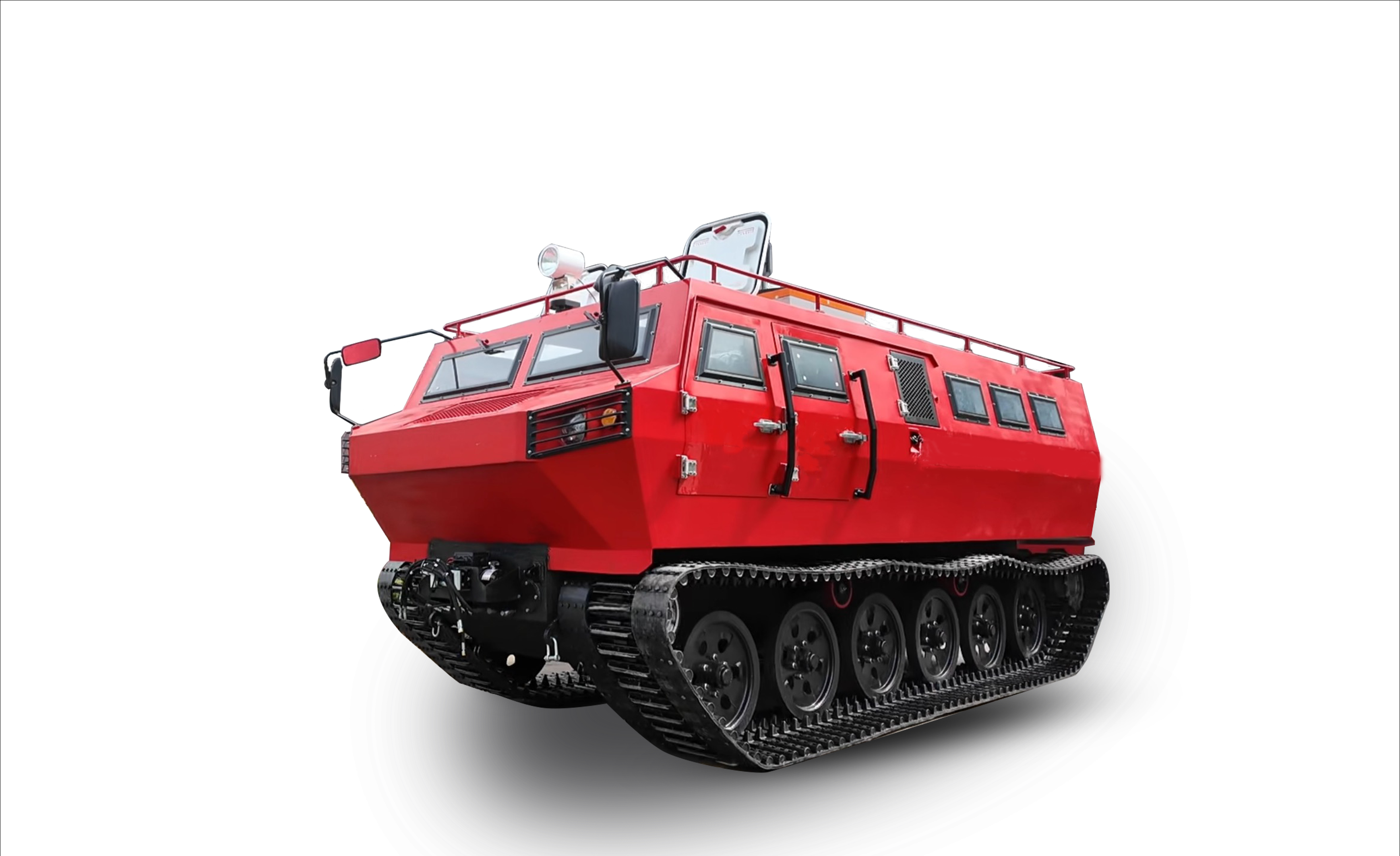
Continuous track assemblies represent a core category of mechanical parts in off-road transport. These systems distribute vehicle weight over a larger surface area compared to wheeled alternatives, which helps maintain contact and movement on soft or uneven ground. Rubber tracks, often reinforced with internal materials, provide traction while reducing noise and vibration during travel.
In practice, rubber track designs incorporate flexible belts that wrap around drive sprockets and idler wheels. This setup allows vehicles to navigate grass, swamps, hills, and snowy areas with steady control. Producers focus on material selection and assembly techniques to support durability under repeated use in operational settings. Components such as track pads and linkage elements contribute to the overall system integrity.
Chassis and Frame Construction
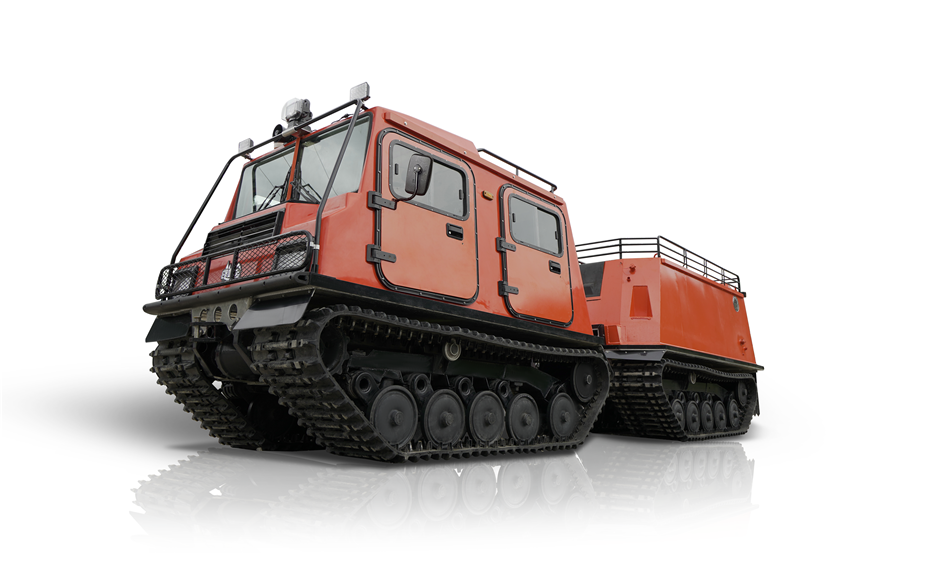
The chassis serves as the structural backbone for many all-terrain vehicles. Articulated designs, featuring connected front and rear sections, allow better adaptation to terrain contours. Mechanical parts in these frames include central beams, side drives, and mounting assemblies that link carriages through steering mechanisms.
Such constructions use robust materials to handle loads while keeping overall weight manageable. In twin-carriage layouts, each section carries its own body and propulsion elements, supporting tasks that involve personnel transport or equipment delivery. This modular approach facilitates repairs and part replacements in field conditions. Manufacturers assemble these frames with attention to alignment and connection points to ensure smooth articulation.
Drive and Propulsion Components
Drive systems in tracked vehicles rely on several interconnected mechanical parts. Sprockets engage with track links or belts to transfer power from the engine. Idler wheels and rollers help guide the track path and maintain tension, reducing wear during extended operation.
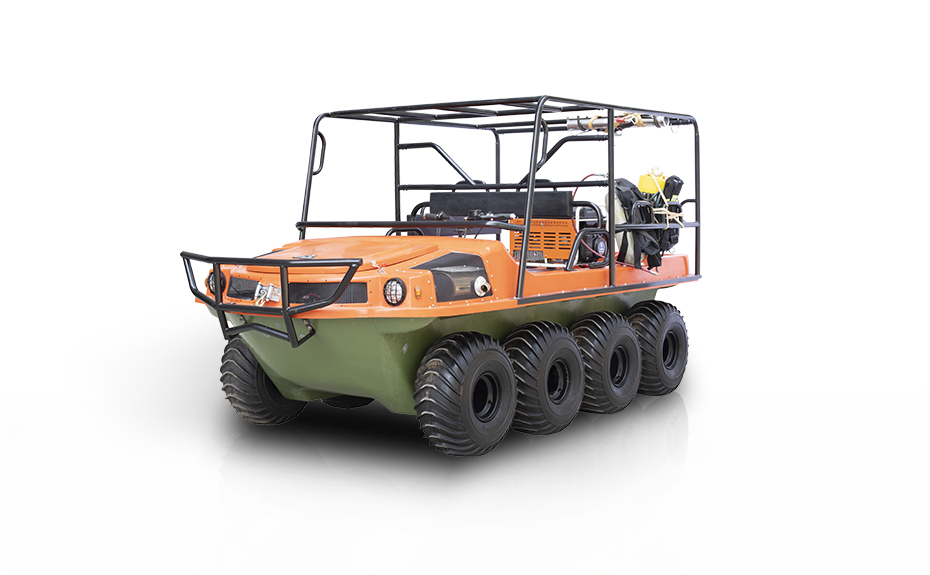
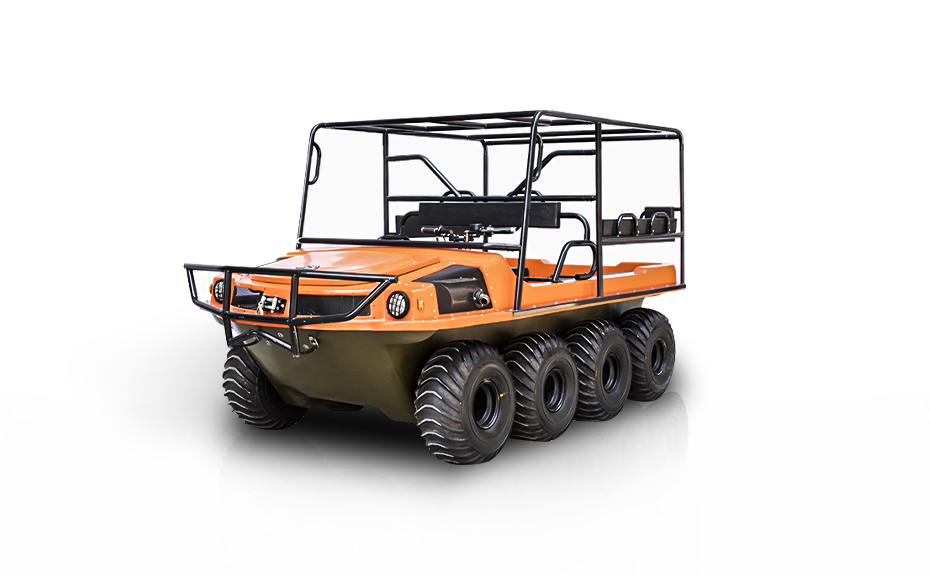
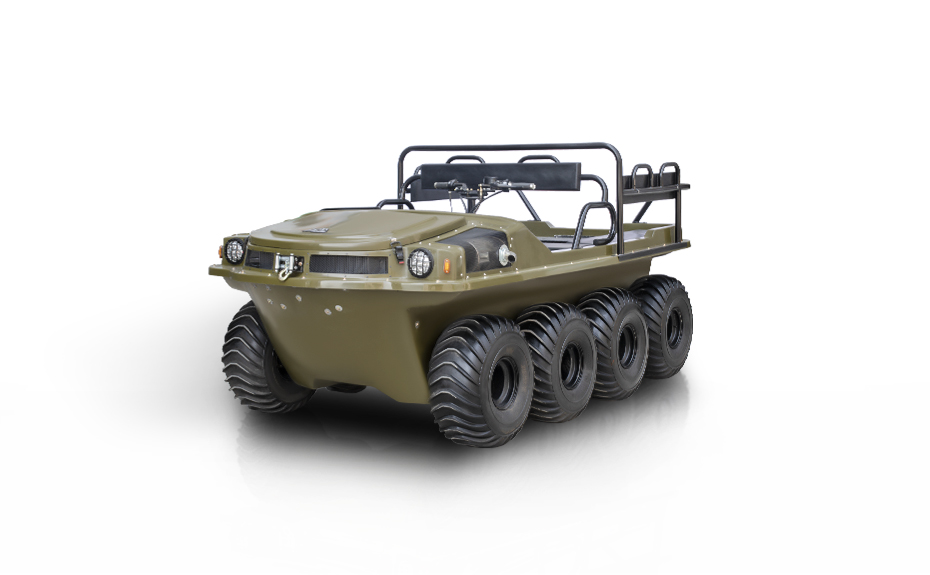
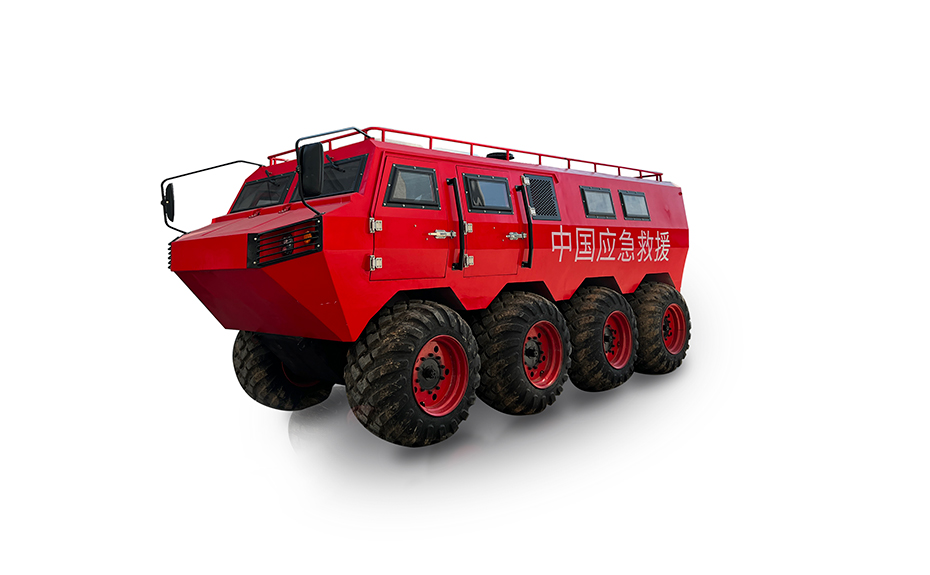
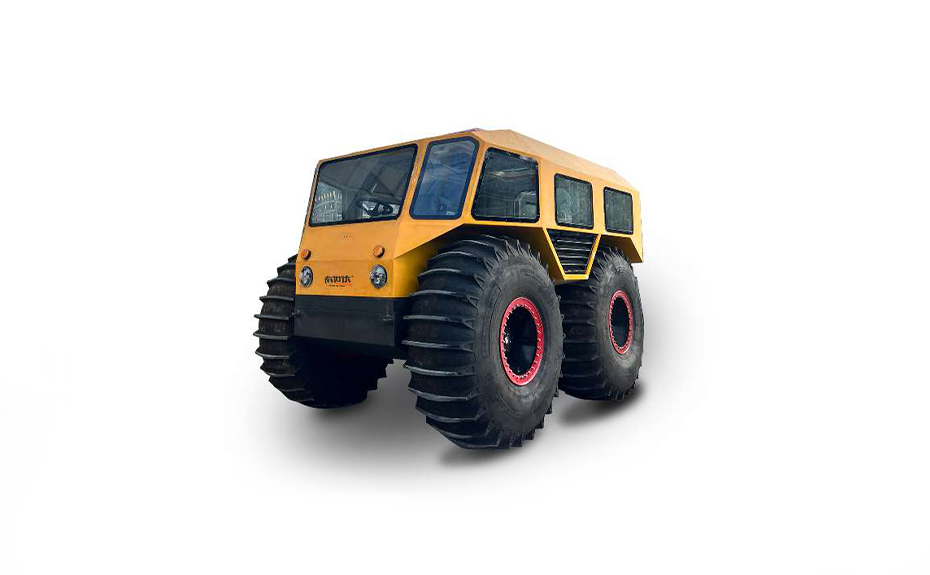
In amphibious models, such as 8x8 configurations, wheel or track arrangements provide multi-point contact for stability on land and basic buoyancy in water. Transmission elements, including gears and shafts, deliver controlled power output suited to different speeds and loads. These parts work together to support movement through mud, sand, or rocky paths while allowing transitions between surfaces.
Operators in sectors like emergency response or resource management value the way these components enable steady progress where standard vehicles might face limitations. Proper integration of drive parts contributes to vehicle handling and operational range.
Support Wheels and Suspension Elements
Support wheels and related assemblies play a significant part in track system performance. These components bear weight and absorb impacts from irregular terrain. In many designs, multiple wheels per side distribute forces evenly, helping prevent track slippage or damage.
Mechanical parts in suspension systems often include tensioning devices that keep tracks aligned under varying conditions. For vehicles used in rescue or logistics, reliable suspension helps maintain stability when carrying tools, supplies, or crew members. Assembly processes emphasize precision fitting to match vehicle specifications and usage patterns.
Rubber Track Variations and Applications
Rubber tracks come in different series tailored to specific ground types. Some configurations emphasize grip on rough or loose surfaces, while others prioritize smooth travel on mixed terrain. Internal reinforcements, such as cables or cords, add strength without compromising flexibility.
These tracks appear in utility carriers, agricultural machinery, and specialized transport vehicles. Their design supports lower ground pressure, which can be advantageous in sensitive areas or during seasonal operations. Replacement and fitting processes involve matching dimensions like width, pitch, and link count to the host vehicle for compatibility.
In daily use, rubber tracks require attention to alignment and tension, but their construction aims for straightforward integration. Producers offer parts that fit various models, including those similar to established platforms used in multiple regions.
Body and Modular Features
Vehicle bodies, often made with composite materials like glass fiber reinforced plastic, provide enclosure and protection. These elements attach to the chassis through mounting points and allow customization for different missions. Modular options mean sections can be adapted for cargo, personnel, or equipment without full redesigns.
Mechanical parts here include fasteners, hinges, and sealing components that maintain structural connections. In amphibious setups, sealed designs help with water crossings, while overall construction supports durability during repeated deployments.
Advancements in Materials and Design
Ongoing work in the sector involves refining materials for track belts, frame elements, and drive sprockets. Engineers look for balances between weight, strength, and resistance to wear. Composite and reinforced constructions help extend service intervals while keeping maintenance needs manageable.
Designs continue to incorporate feedback from field operations, to incremental improvements in component layout and interaction. This evolution supports broader adoption of tracked systems in professional fleets.
Key Considerations for Users
When selecting mechanical parts, factors such as vehicle model, intended terrain, and load requirements guide choices. Matching specifications ensures proper function and longevity. Suppliers often provide guidance on installation and basic compatibility checks.
Regular inspection of tracks, rollers, and connections helps identify wear early. Many parts are designed for straightforward servicing, supporting continued availability in operational environments. Users across industries report that well-matched components contribute to overall vehicle uptime.
Summary of Mechanical Parts Importance
Mechanical parts in all-terrain tracked vehicles deliver the capabilities needed for demanding work. From continuous tracks and chassis frames to drive sprockets and support wheels, each element contributes to mobility and functionality. Producers such as Haishida supply these components as part of complete systems or individual replacements, addressing needs in rescue, logistics, agriculture, and related fields.
As operations expand into more varied locations, the role of these parts remains central. Their construction and integration support practical performance without reliance on ideal conditions. For organizations seeking dependable transport solutions, attention to mechanical parts provides a foundation for effective results in real-world scenarios.



 浙ICP备2022029871号