
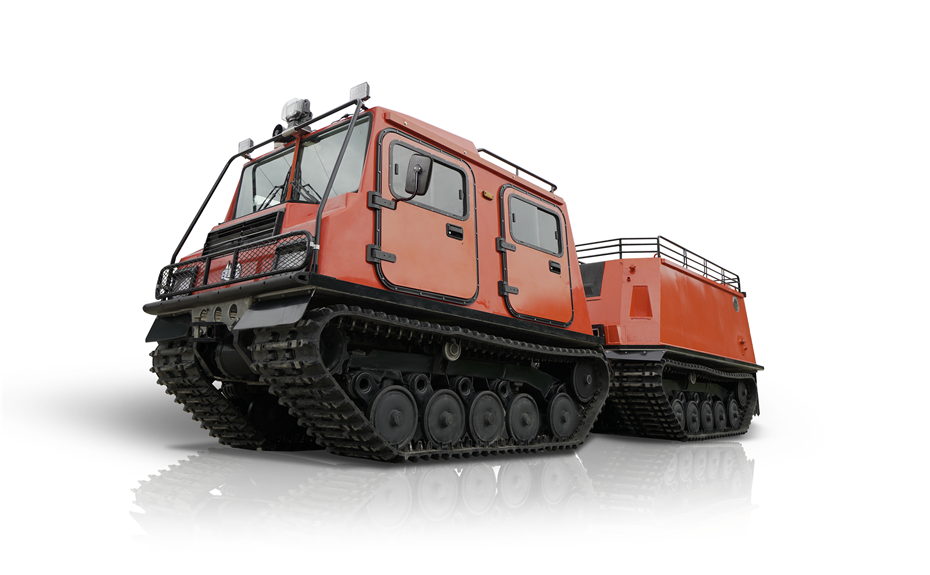
Which Rubber Track Series Loves Rough Ground?
Rubber tracks have become a standard undercarriage solution across a wide range of heavy equipment categories. From compact excavators and mini loaders to agricultural machinery and pipeline inspection equipment, the rubber track series available today covers an enormous spread of machine sizes, weight classes, and operating conditions.
What a Rubber Track Series Actually Covers
A rubber track series is essentially a grouped product range built around three numbers: width, pitch, and link count. Those three measurements decide the track's physical dimensions and whether it actually fits the undercarriage it's going onto. Manufacturers sort their catalogs by machine weight class, which makes cross-referencing compatible tracks across different equipment brands a lot less painful when the undercarriage configurations are similar.
A single rubber track series might span multiple widths and pitches while sharing the same construction standard, compound formulation, and internal reinforcement design. Buying within a recognized series rather than sourcing individual tracks on specification alone gives buyers a more predictable experience in terms of fit, wear behavior, and replacement intervals.
How Rubber Tracks Are Constructed
Understanding construction helps explain why tracks in different series perform differently under the same operating conditions. Most rubber tracks share a common structural approach:
- Steel cord reinforcement: High-tensile steel cords run longitudinally through the track body, carrying the tensile load and preventing elongation under tension. The number and arrangement of cords varies between series and directly affects load capacity.
- Embedded steel links: Metal drive links are vulcanized into the track at regular intervals matching the sprocket pitch. These carry the driving force from the sprocket and determine the track's pitch dimension.
- Rubber compound layers: The inner surface contacts the rollers and idlers; the outer surface contacts the ground. Different rubber compounds are used for each layer depending on wear and grip requirements.
- Lug pattern: The outer lug profile is molded into the track body and varies significantly between series — open lug, C-lug, block lug, and multi-bar patterns each suit different ground conditions and machine types.
The quality of vulcanization — the bonding process that fuses all these components into a single unit — is one of the less visible but more important factors separating durable tracks from those that delaminate or crack prematurely in service.
Common Rubber Track Series by Machine Category
Different machine categories have developed standardized track series that the industry broadly recognizes. The table below outlines common series groupings by machine type and typical specification ranges:
| Machine Category | Track Width Range | Pitch Range | Typical Weight Class |
| Mini Excavator | 180mm – 400mm | 72mm – 101.6mm | 1t – 8t |
| Compact Track Loader | 320mm – 450mm | 86mm – 101.6mm | 2t – 5t |
| Mid-size Excavator | 400mm – 600mm | 101.6mm – 154mm | 8t – 20t |
| Agricultural Carrier | 300mm – 635mm | 90mm – 152.4mm | 2t – 15t |
| Pipelayer / Crawler Crane | 500mm – 800mm | 154mm – 203.2mm | 15t – 40t |
| Compact Utility Equipment | 150mm – 260mm | 52mm – 72mm | Under 1t |
These ranges are indicative. Actual series specifications vary between manufacturers, and it is always worth confirming dimensions against the OEM undercarriage specification rather than relying on category assumptions alone.
Key Specifications That Define a Rubber Track
Three numbers define whether a rubber track physically fits a machine, and every other specification sits on top of those:
Width × Pitch × Link Count — written in formats like 300×52.5×84 or 450×81×76, these three figures are the starting point for any replacement search. Width is measured across the track face in millimeters. Pitch is the center-to-center distance between drive links, also in millimeters. Link count is the total number of drive links around the full track loop.
Beyond fit, the specifications that influence performance include:
- Lug height: Taller lugs give more traction in soft ground but wear faster on hard surfaces. Shorter, wider lugs suit hard ground and paved surfaces better.
- Steel cord count and diameter: More cords and larger diameters mean higher tensile strength and greater resistance to elongation under load.
- Rubber compound hardness: Measured in Shore A, harder compounds resist abrasion on rocky or mixed ground; softer compounds grip better in mud and clay.
- Drive link material: Steel link quality varies between series — higher-grade links resist deformation under heavy drive loads and last longer in the sprocket engagement zone.
Matching the Right Series to the Application
Selecting a rubber track series based on machine fit alone is a common approach, but application conditions should drive the final choice when more than one compatible series exists.
For construction and demolition sites with mixed hard and soft ground, a track with medium lug height and a robust steel cord package handles the variability reasonably well. For agricultural use on soft cultivated land, wider tracks with open lug patterns reduce ground pressure and improve flotation. For urban utility work on paved surfaces, lower-profile lugs and harder rubber compounds reduce surface marking and slow down lug wear significantly.
Equipment running in rocky or abrasive terrain benefits from tracks with higher Shore A hardness ratings and reinforced lug bases, even if the initial cost is higher. Tracks that wear out quickly in abrasive conditions end up costing more per operating hour than a higher-specification series purchased upfront.
What to Check When Sourcing Rubber Tracks
Whether buying OEM replacements or aftermarket alternatives, a few checks consistently separate reliable sourcing decisions from ones that cause problems later:
- Confirm width, pitch, and link count against the machine's service manual, not just a prior purchase record
- Request Shore A hardness data for both inner and outer rubber layers
- Ask about steel cord specification — diameter, count, and tensile grade
- Check drive link steel grade and attachment method
- Confirm that the lug pattern suits the primary operating surface
- For aftermarket tracks, verify that the vulcanization process meets recognized quality standards rather than relying on visual inspection alone
Price differences between rubber track series often reflect real differences in steel cord quality, compound formulation, and manufacturing process rather than simply brand margin. A track priced significantly below market rate for its size class is usually cutting corners somewhere in the specification — and those corners tend to show up as premature wear, cracking, or delamination within the few hundred operating hours.



 浙ICP备2022029871号