
Why Choose a Tracked Carrier for Fire Response?
What a Tracked Carrier Does
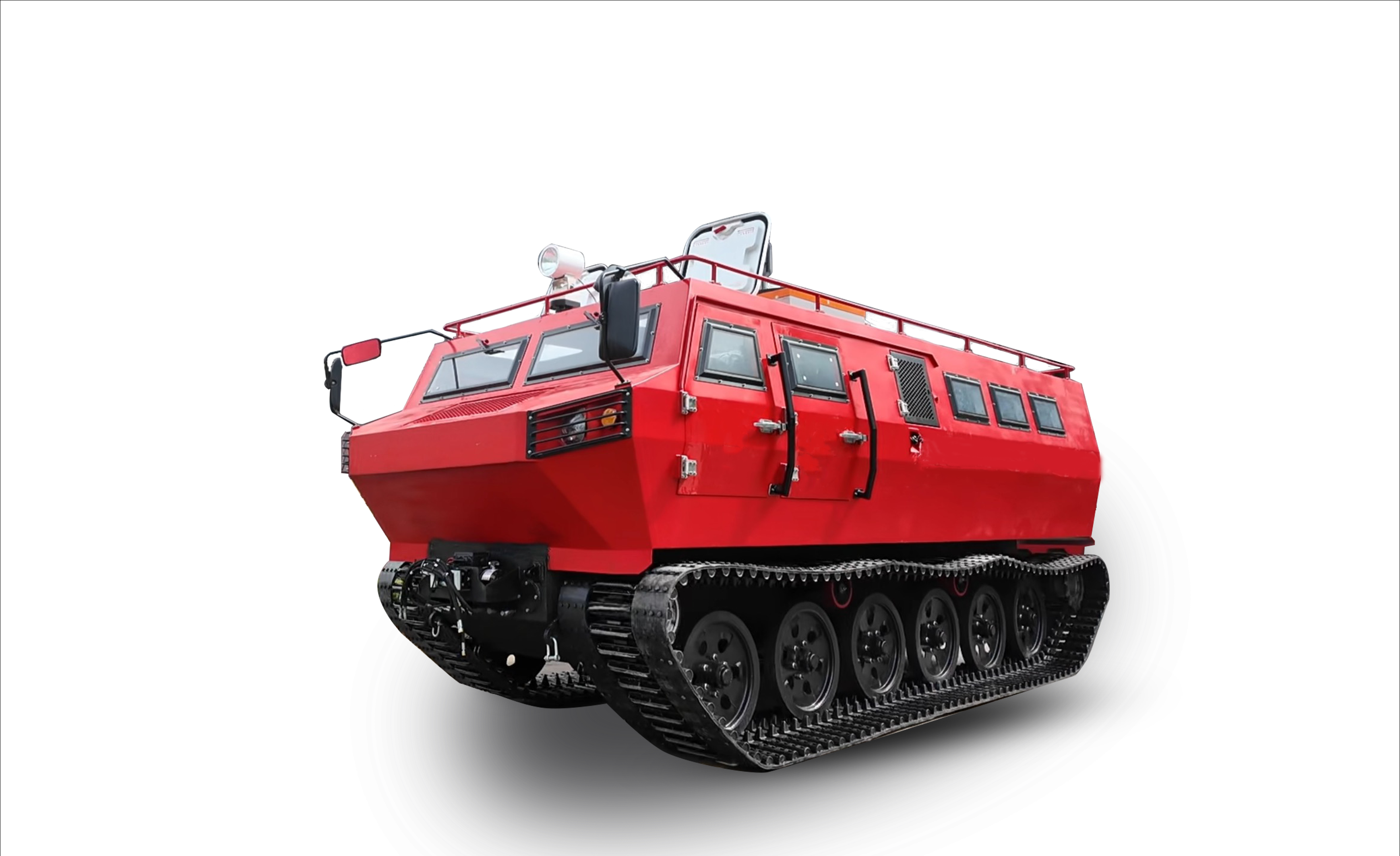
Some ground simply refuses cooperation, and standard wheeled vehicles stall out in mud, loose sand, or deep snow. A tracked carrier solves that problem, spreading vehicle weight across a wide track surface instead of narrow tires, keeping traction even when the ground underneath shifts or gives way. Crews moving people, tools, and gear across broken terrain rely on that wide contact patch to keep momentum going where a normal off-road truck would sink or spin out.
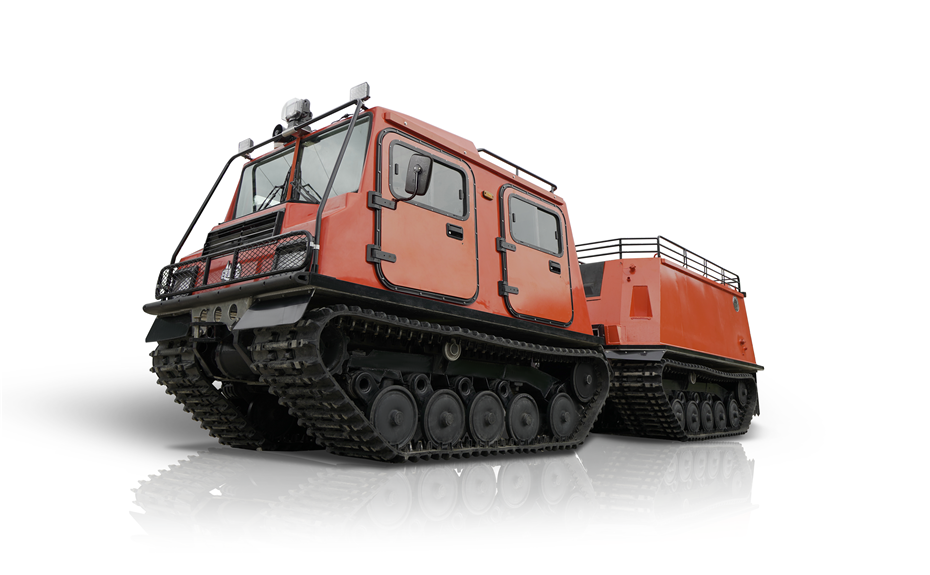
Many carriers built for this kind of duty use an articulated two-section body rather than one rigid frame. A front carriage and rear carriage connect through a steering joint, letting a tracked carrier bend and follow ground contour instead of forcing the whole vehicle over an obstacle at once. That flexibility matters on narrow trails, storm-damaged access roads, and terrain that shifts unpredictably from one stretch to the next.
How the Design Handles Difficult Terrain
Track width and ground contact spread the vehicle's weight far enough that a tracked carrier crosses soft ground without digging in the way a wheeled machine tends to. Snowfields, loose sand, swampy patches, and broken rock all pose different challenges, but the underlying mechanism stays consistent: more surface area touching the ground means less pressure at any single point, and less pressure means better flotation over unstable material.
The articulated joint linking front and rear sections adds another layer of capability. Rather than climbing an obstacle rigidly, a tracked carrier lets each section pivot somewhat independently, keeping tracks planted on uneven ground instead of lifting clear off the surface. Steering happens through that same joint, giving operators tighter turning control on narrow paths compared to a longer, single-frame vehicle covering the same distance.
Payload and Body Configuration
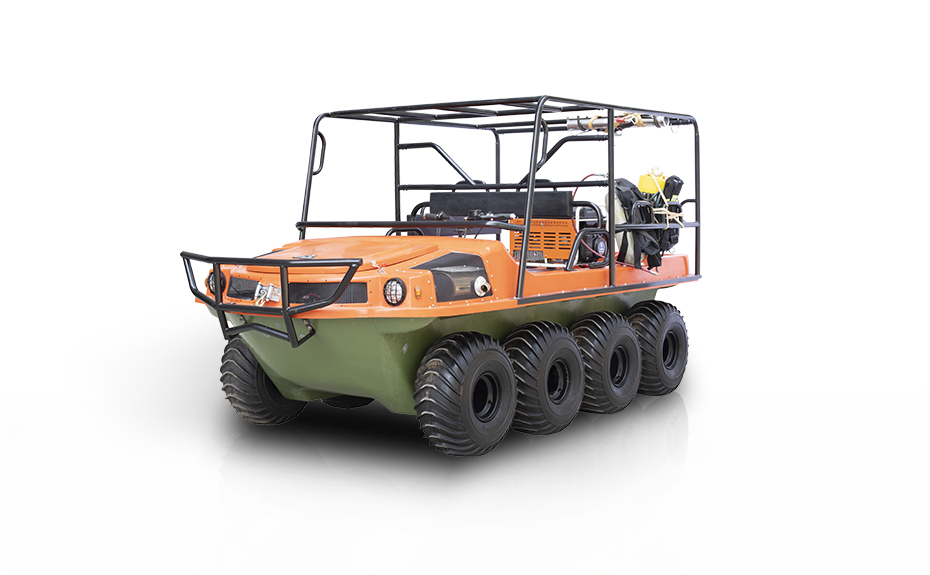
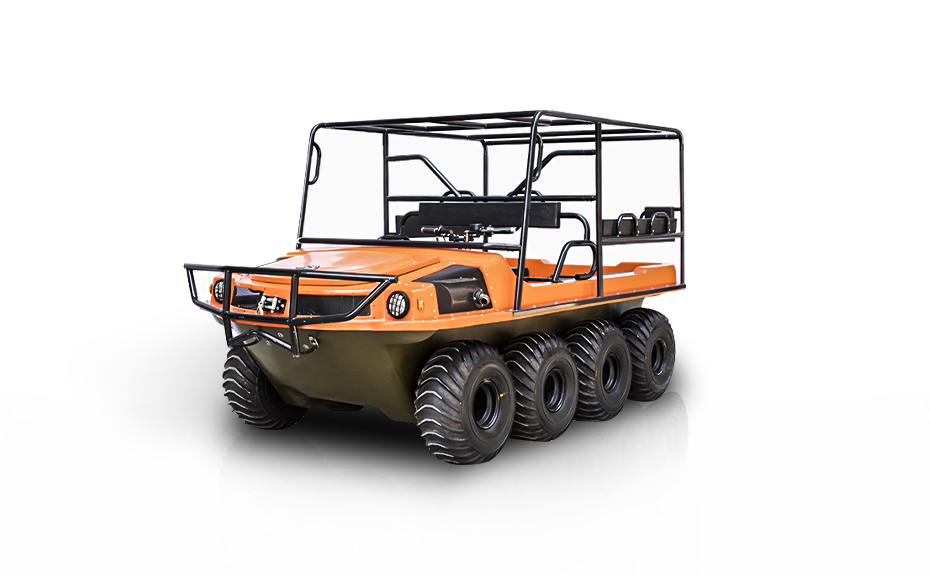
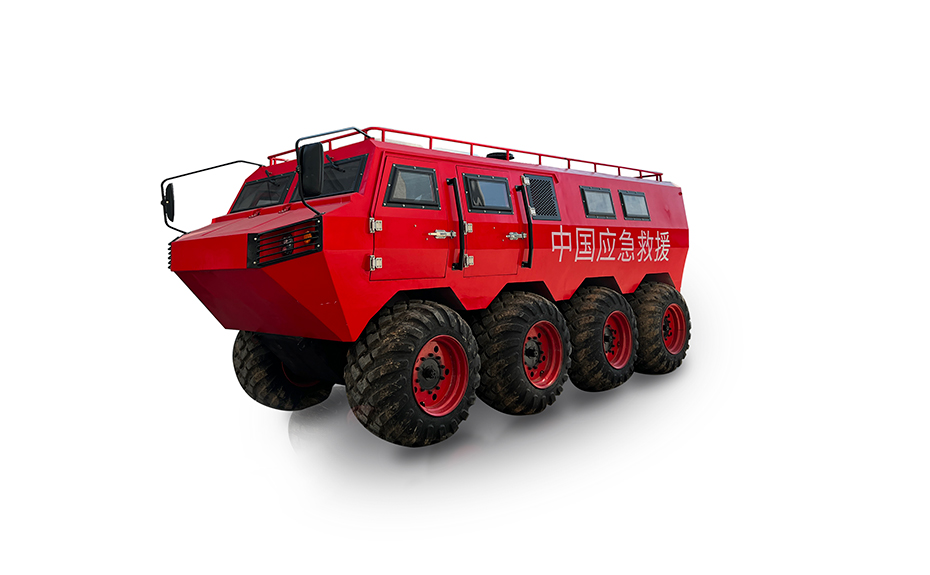
Splitting a vehicle into two connected carriages does more than help terrain handling — it opens up usable body space for people and cargo together. Front and rear sections each carry their own chassis and interior room, so a tracked carrier can move a crew alongside tools, supplies, or response equipment inside a single run rather than splitting the load across separate vehicles.
Configuration varies depending on mission needs. Some builds prioritize passenger seating and personnel transport, while others shift more space toward cargo and equipment racks. A few structural traits show up consistently across these platforms:
- Dual-carriage layout connected by a central steering link
- Wide, low-pressure tracks for soft or uneven ground
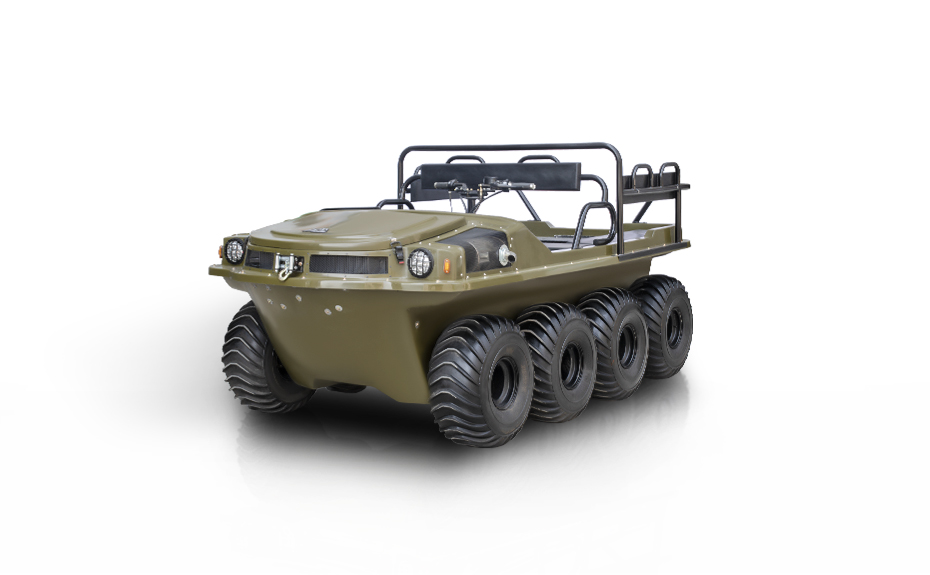
- Amphibious capability on select models for water crossings
Curb weight and dimensions shift depending on configuration, but the balance between passenger capacity and usable cargo room stays a central design consideration across builds in this category.
Comparing Tracked and Wheeled Platforms
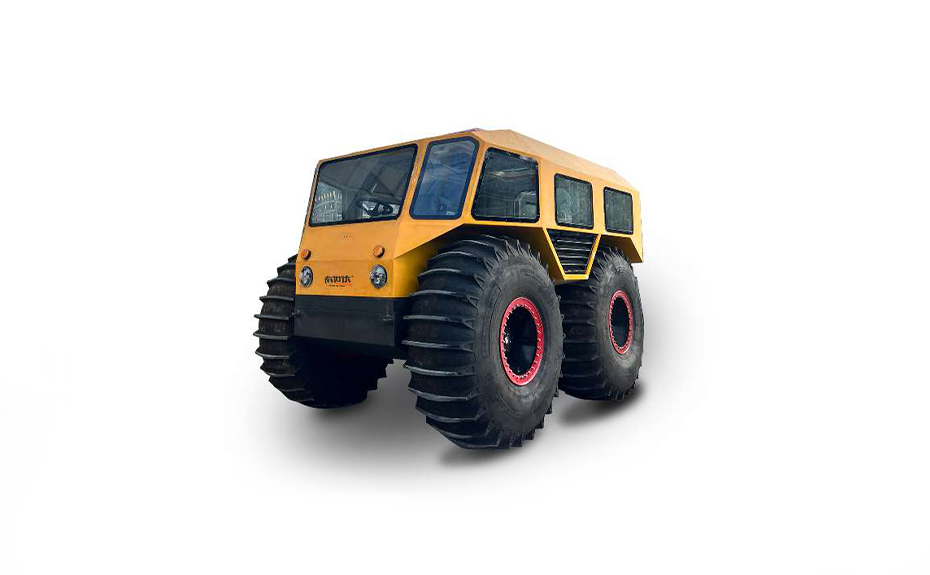
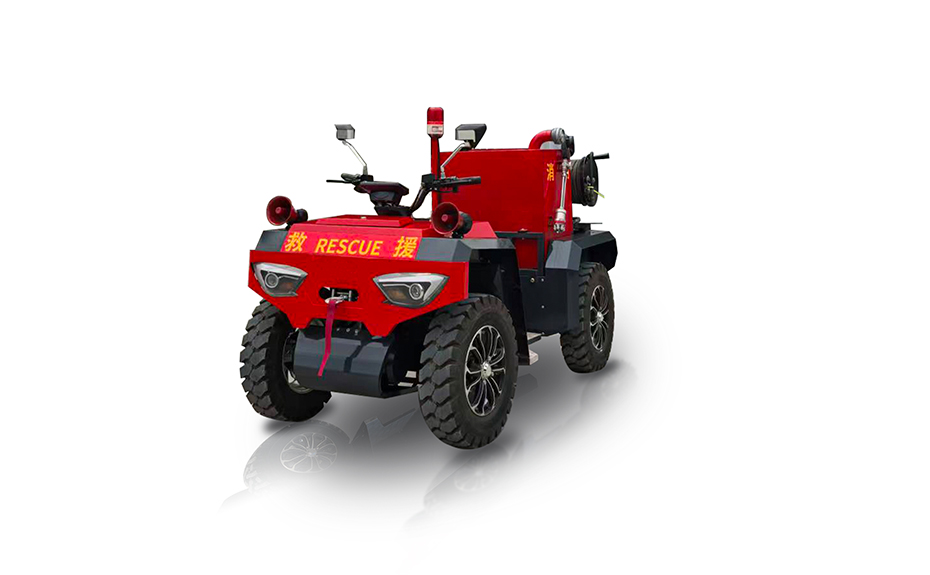
Wheeled ATVs and quad-style vehicles still serve plenty of light-duty jobs, particularly where speed and compact size take priority over payload room. Their narrower footprint, though, runs into limits once ground conditions turn soft, steep, or unpredictable across long stretches.
A tracked carrier tends to get selected instead when a mission calls for continuous travel over soft or high-slip ground, protected room for passengers and gear together, and steady performance across changing weather. Fleet operators running frequent off-road missions generally lean toward tracked platforms once wheeled vehicles start forcing detours or turnbacks on a regular basis.
Choosing the Right Platform for Your Operation
Selecting a tracked carrier starts from mapping actual mission profiles against the terrain a crew regularly faces. Operations centered on snow and soft ground favor different track and carriage configurations than teams working rocky, mixed terrain, so matching build specifications to real operating conditions matters more than chasing a single universal configuration.
Passenger capacity, cargo room, and amphibious capability all factor into the decision too, depending on mission type. Talking to a supplier about actual route conditions and payload needs, rather than picking a tracked carrier off a generic spec sheet, tends to produce a better match between the platform and daily field demands.



 浙ICP备2022029871号