
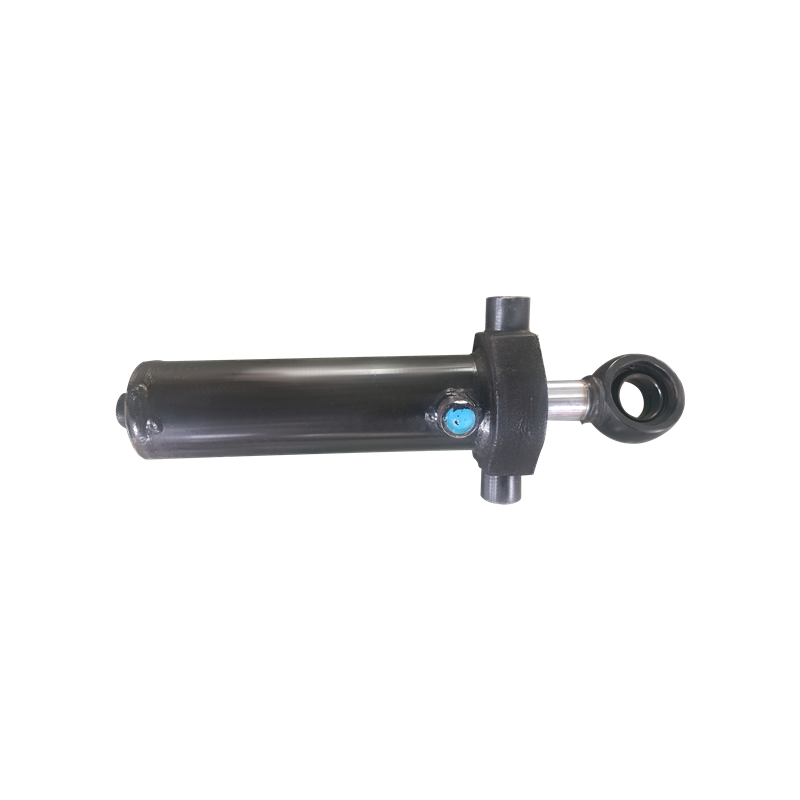
Why Do Mechanical parts Differ Across Manufacturing Applications?
A machine may look like one complete piece of equipment, but its operation depends on dozens or even hundreds of individual components. Shafts transfer rotation, gears change speed and torque, brackets hold assemblies in position, and housings protect internal structures. These components work together to create the movement and functions required by industrial equipment.
For machinery manufacturers, Mechanical parts are not simply individual pieces listed on an engineering drawing. Their dimensions, materials, shapes, and connection methods all influence how a complete machine performs. Understanding these details helps equipment designers and purchasing teams communicate more clearly during product development and component sourcing.
Different Parts, Different Jobs
Industrial machinery uses a wide range of components, each designed around a particular mechanical function. Some parts transmit power, others support loads, and some provide accurate positioning between moving or fixed structures.
Common examples include:
- Shafts and axles: Transfer rotational movement or support rotating components in motors, pumps, and transmission assemblies.
- Gears and sprockets: Transfer motion between connected components and help adjust rotational speed or direction.
- Bushings and sleeves: Provide support between assembled parts and help establish the required fit.
- Brackets and mounting plates: Connect equipment sections and hold components in their intended positions.
- Housings and enclosures: Form structural spaces for bearings, gears, motors, and other internal components.
The same component category can have different shapes and dimensions depending on the equipment design. A shaft used in a packaging machine, for example, may have different length, diameter, and connection features from one designed for agricultural machinery.
Material Selection Changes the Design
Material selection usually starts with the mechanical demands of the application. Carbon steel is commonly used for shafts, pins, brackets, and structural components. Stainless steel may be selected for parts that require corrosion resistance or contact with particular operating materials.
Aluminum alloys are useful when designers want to reduce component weight while retaining suitable structural properties. Brass and copper alloys also appear in selected mechanical assemblies, particularly where their machining or physical characteristics suit the intended function.
Material choice also affects the manufacturing route. Different metals respond differently to cutting, drilling, milling, turning, and forming operations. For this reason, a supplier needs to understand both the material specification and the finished part geometry before confirming a production process.
When sourcing Mechanical parts, buyers should provide clear material grades or agreed material descriptions rather than relying on general terms such as steel or aluminum.
Why Component Compatibility Matters
An individual part rarely works alone. Its dimensions need to match the components connected to it.
Consider a gear assembly. The gear must fit its shaft, the shaft must fit the bearing arrangement, and the housing must provide the required installation space. A dimensional change in one component can affect the assembly of several related parts.
This is why industrial buyers often provide 2D drawings, 3D models, material specifications, and assembly information during the sourcing process. These details help manufacturers understand how a component fits into the complete machine.
For OEM projects, the ability to produce Mechanical parts according to customized drawings is also important. Buyers may need revised dimensions, alternative materials, or different component configurations to suit their equipment platforms.
Mechanical Parts Across Industrial Applications
From automated production lines and agricultural equipment to construction machinery and power transmission systems, mechanical components support a wide range of industrial operations.
Although their shapes and functions vary, they share one important characteristic: each part must fit into a larger mechanical structure. For equipment manufacturers and engineering buyers, choosing a suitable Mechanical parts supplier means finding a production partner that can understand drawings, work with different materials, and accommodate component designs for specific industrial applications.



 浙ICP备2022029871号