
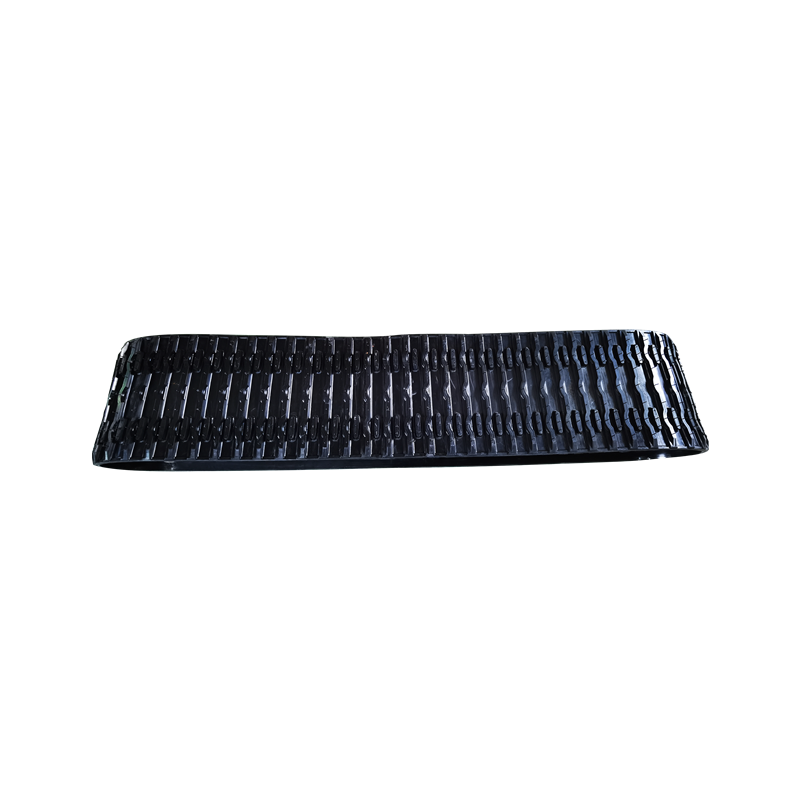
Why Does a Rubber Tracks Series Suit Off-Road Equipment?
Why Tracked Mobility Matters in Off-Road Operations
Moving equipment across mud, grass, sand, snow, and uneven ground presents different challenges from driving on paved roads. Agricultural transport vehicles, tracked utility terrain vehicles, and specialized off-road machines need an undercarriage that can maintain ground contact while supporting the vehicle's weight.
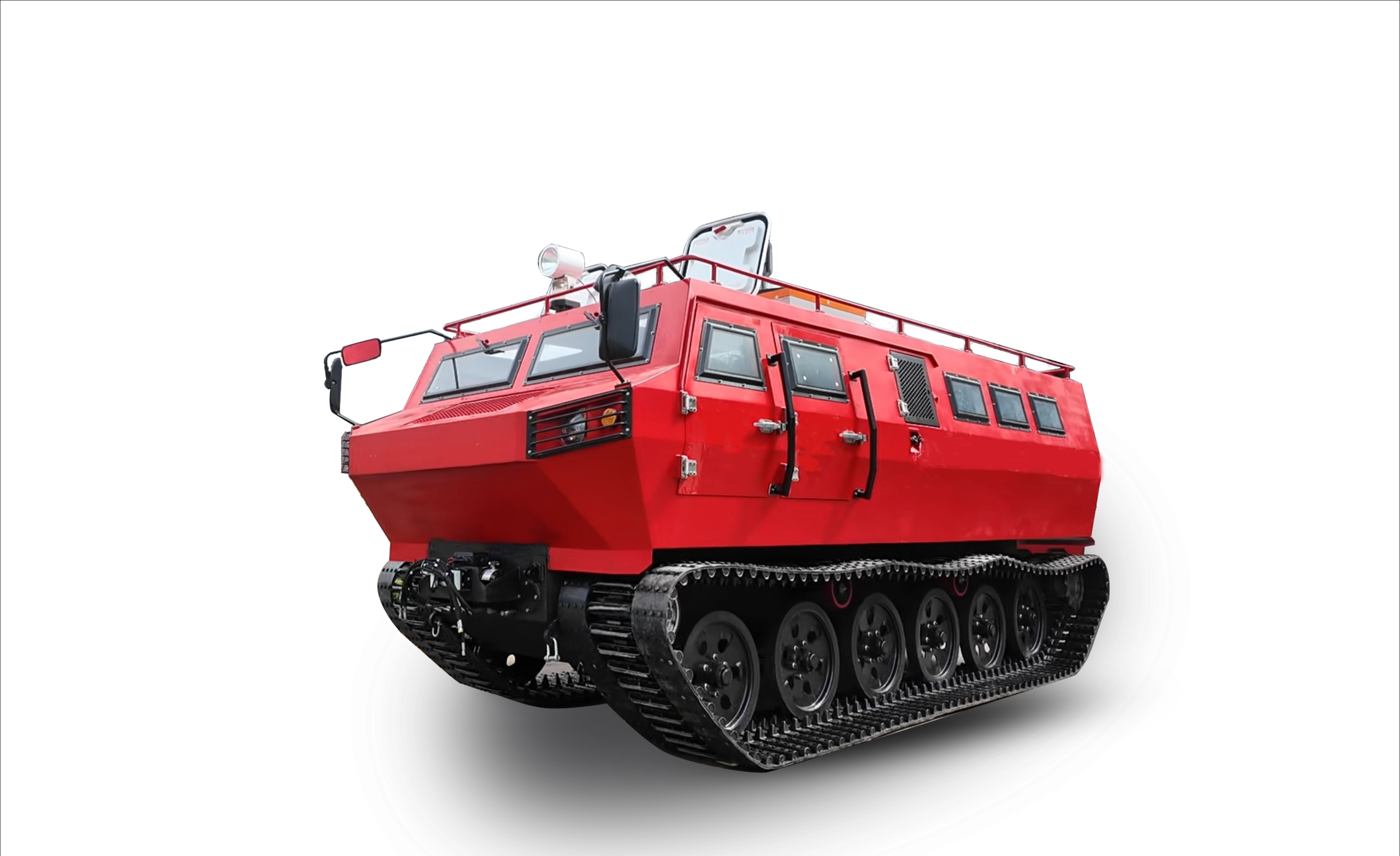
A Rubber tracks series provides a range of continuous track solutions for machinery designed to operate beyond conventional road conditions. Unlike individual tires, rubber tracks form a continuous contact surface around the undercarriage wheels. This structure helps distribute vehicle weight across the track and supports movement over varied terrain.
How Rubber Track Construction Influences Performance
Rubber tracks combine an elastic outer body with internal reinforcement components. Depending on the design, these elements help the track retain its shape and transfer driving force from the sprocket or drive wheel to the ground.
The tread pattern also affects how the track interacts with different surfaces. Block-shaped lugs, directional grooves, and other tread configurations create different contact characteristics for particular operating conditions.
When evaluating a Rubber tracks series, equipment manufacturers commonly consider these design elements:
- Tread pattern: Lug shape, spacing, and depth influence grip on loose soil, grass, gravel, and uneven ground.
- Internal structure: Reinforcement arrangement and track construction affect flexibility, load support, and engagement with the undercarriage.
- Track dimensions: Width, pitch, and overall loop length determine whether the track matches the intended vehicle configuration.
These characteristics need to work together. A track designed for compact agricultural equipment may have different structural requirements from one intended for a larger tracked utility vehicle.
Applications in Agriculture and Specialized Transport
Agricultural operations often require vehicles to travel between fields, storage areas, and remote working locations. Wet soil, grass-covered slopes, and soft ground can create traction challenges for conventional wheeled vehicles.
A Rubber tracks series can support tracked agricultural transport equipment by providing a continuous ground-contact surface. Depending on the vehicle design, this arrangement can help distribute weight and improve mobility across surfaces that vary in firmness.
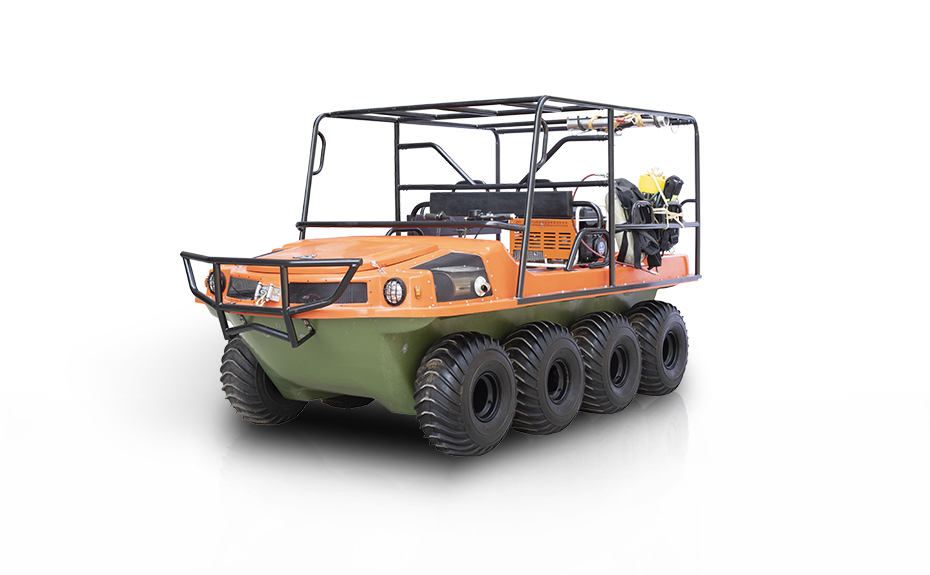
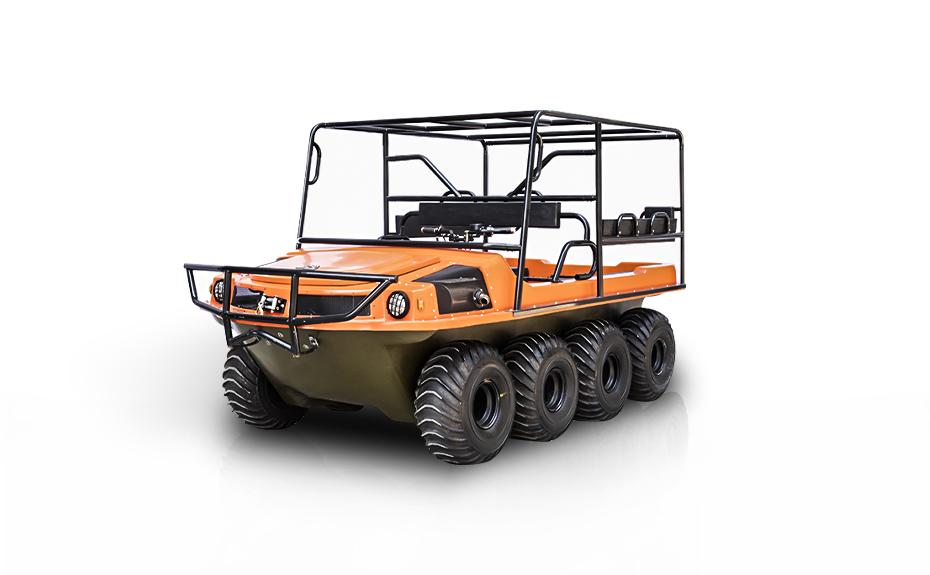
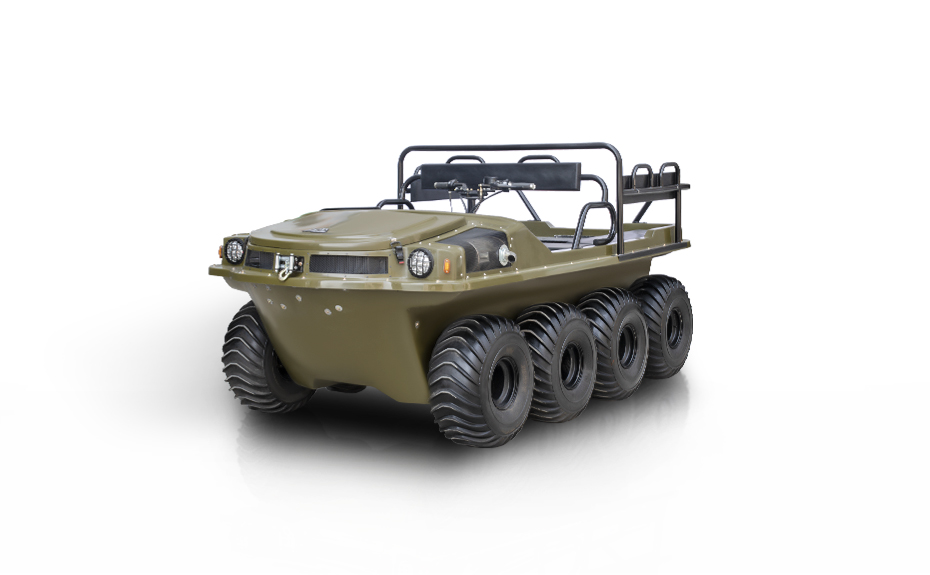
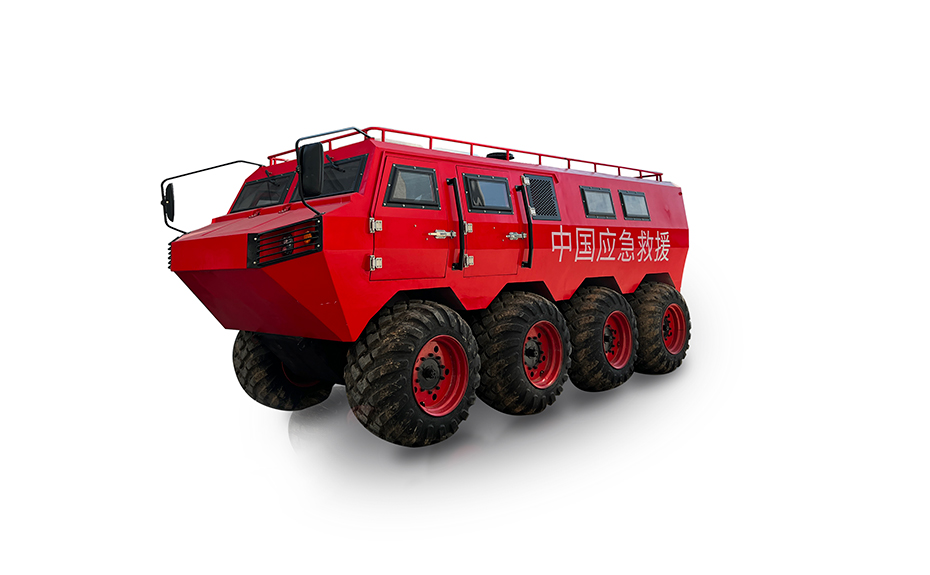
Tracked utility vehicles also serve applications involving forestry operations, outdoor transport, and specialized field activities. Their undercarriage systems can be configured around different body layouts, cargo requirements, and terrain conditions.
SISU NA-140 and Its Related Track Components
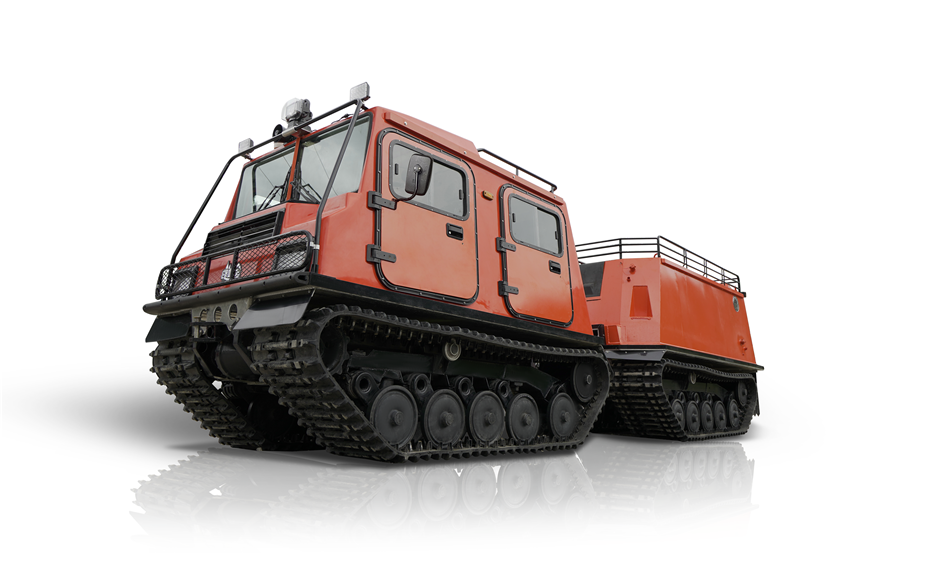
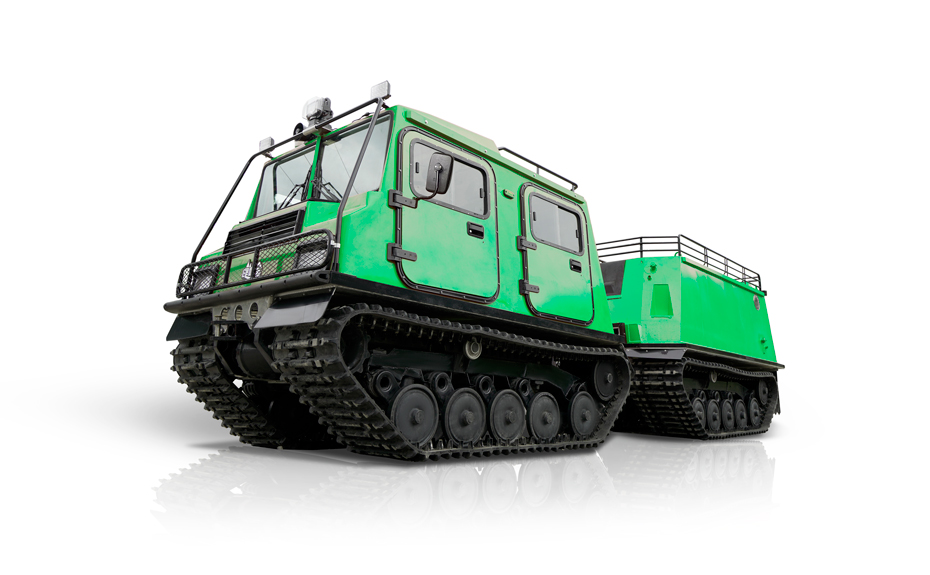
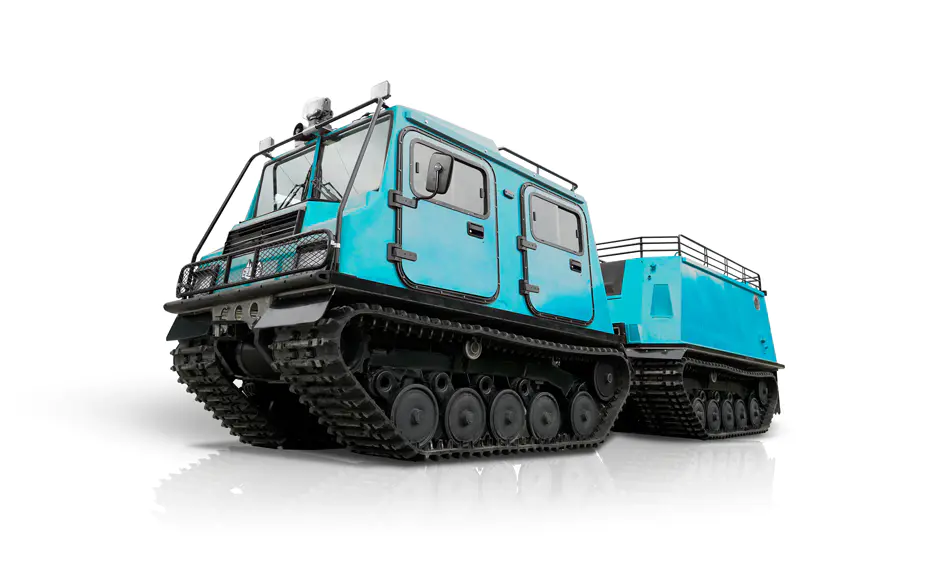
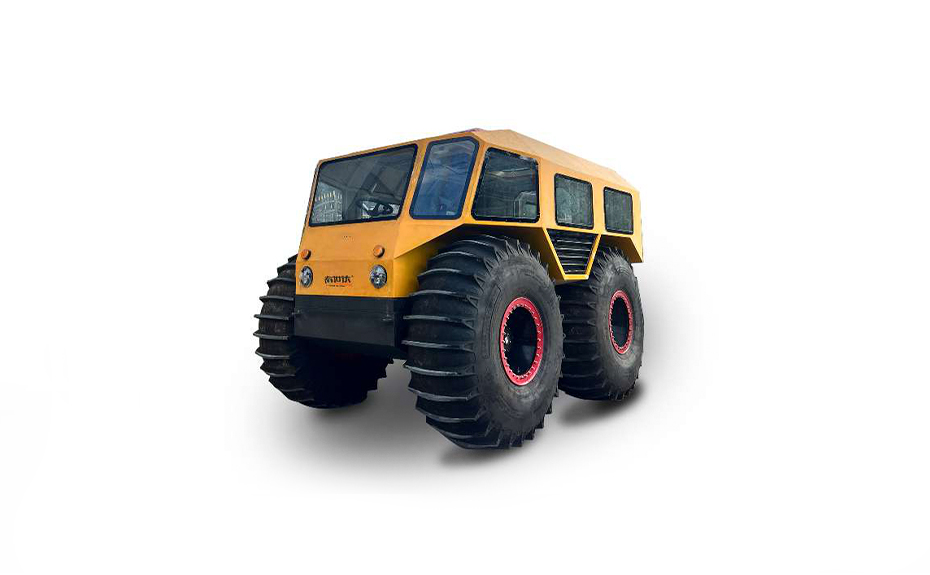
The SISU NA-140 product category provides a useful example of how rubber tracks fit into a larger tracked vehicle system. The associated product range includes rubber tracks, track wheels, driving wheels, rocking arms, front and rear springs, shock absorbers, and other supporting components.
These parts perform different functions within the undercarriage. Driving wheels transfer power into the track system, while track wheels support the track along its travel path. Rocking arms and spring components form part of the suspension arrangement, helping the vehicle respond to uneven surfaces.
A Rubber tracks series intended for this type of vehicle should therefore be assessed in relation to the complete undercarriage rather than as an isolated rubber component.
Compatibility is especially important when sourcing replacement tracks or specifying components for a particular vehicle model. Track dimensions, wheel engagement, and the original system configuration all need to match the intended application.
Matching Track Specifications to Terrain
Different operating environments create different demands on tracked equipment. Soft soil may require a tread design that supports traction, while rocky or compacted surfaces place different demands on track contact and structural strength.
A Rubber tracks series can include different configurations to accommodate variations in machine size and working conditions. The selection process should begin with the vehicle model and its existing track specifications.
Important details to compare include track width, pitch, link count, tread profile, and compatibility with the drive wheels. These measurements help identify whether a track can fit the intended undercarriage.
Vehicle weight and expected payload also matter. A track used on a compact utility carrier may not be suitable for a larger transport platform, even when the external appearance seems similar.


 浙ICP备2022029871号