
Fitting Parts Drive All-Terrain Vehicle Capability
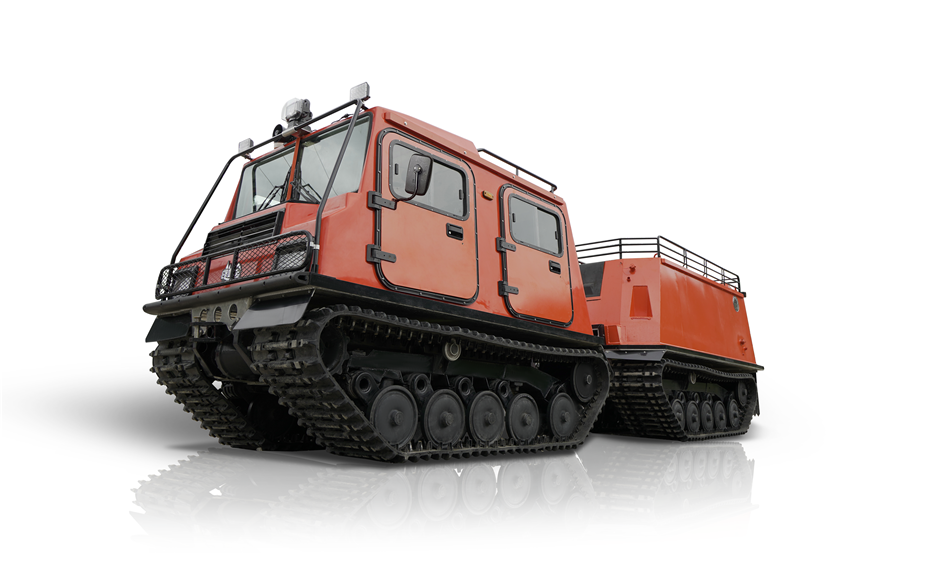
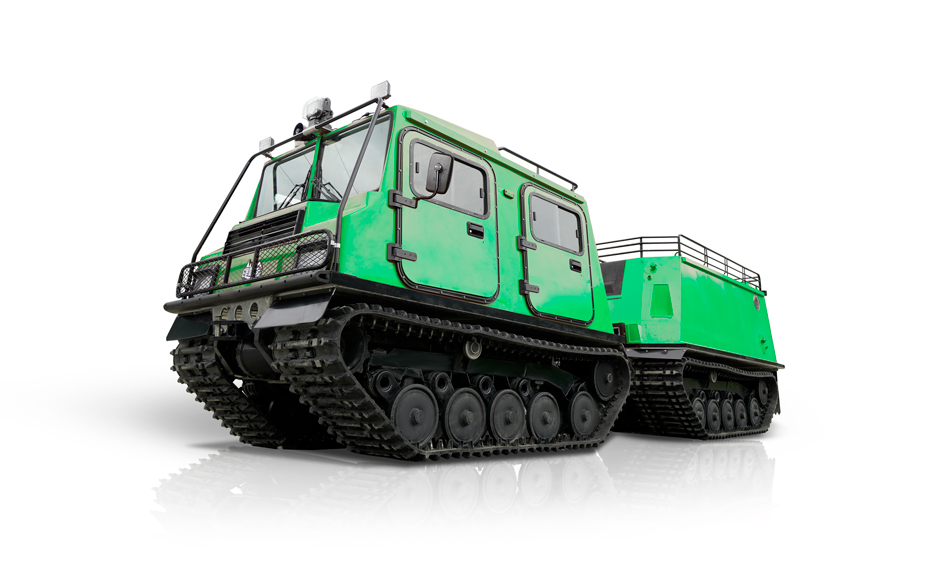
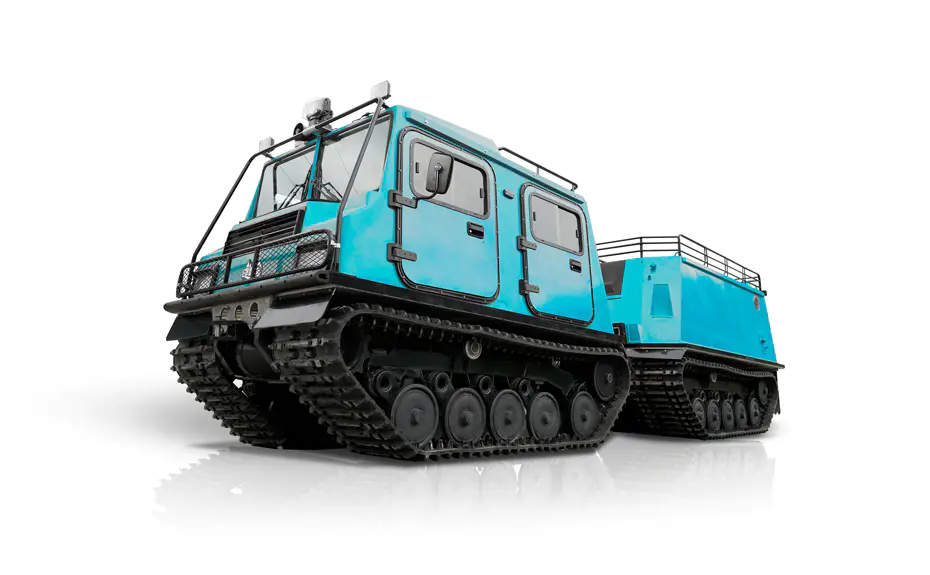
The world of tracked utility terrain vehicles is undergoing a quiet revolution, driven not by the vehicles themselves but by the sophisticated aftermarket ecosystem that supports them. At the heart of this evolution are "fitting parts"—specialized components that allow a standard vehicle to be transformed into a purpose-built machine for bad conditions. These parts, encompassing everything from the foundational hardware to complete retrofit kits, are defined by three core pillars: precision engineering for seamless integration, application-specific customization, and a clear market trend toward modular, transferable systems. This sector has evolved from providing simple accessories to offering complete performance solutions, with an annual global aftermarket for tracked vehicle components estimated to be in the hundreds of millions of dollars, reflecting its critical role in industries reliant on all-terrain mobility.
What Are the Foundational Core Components?
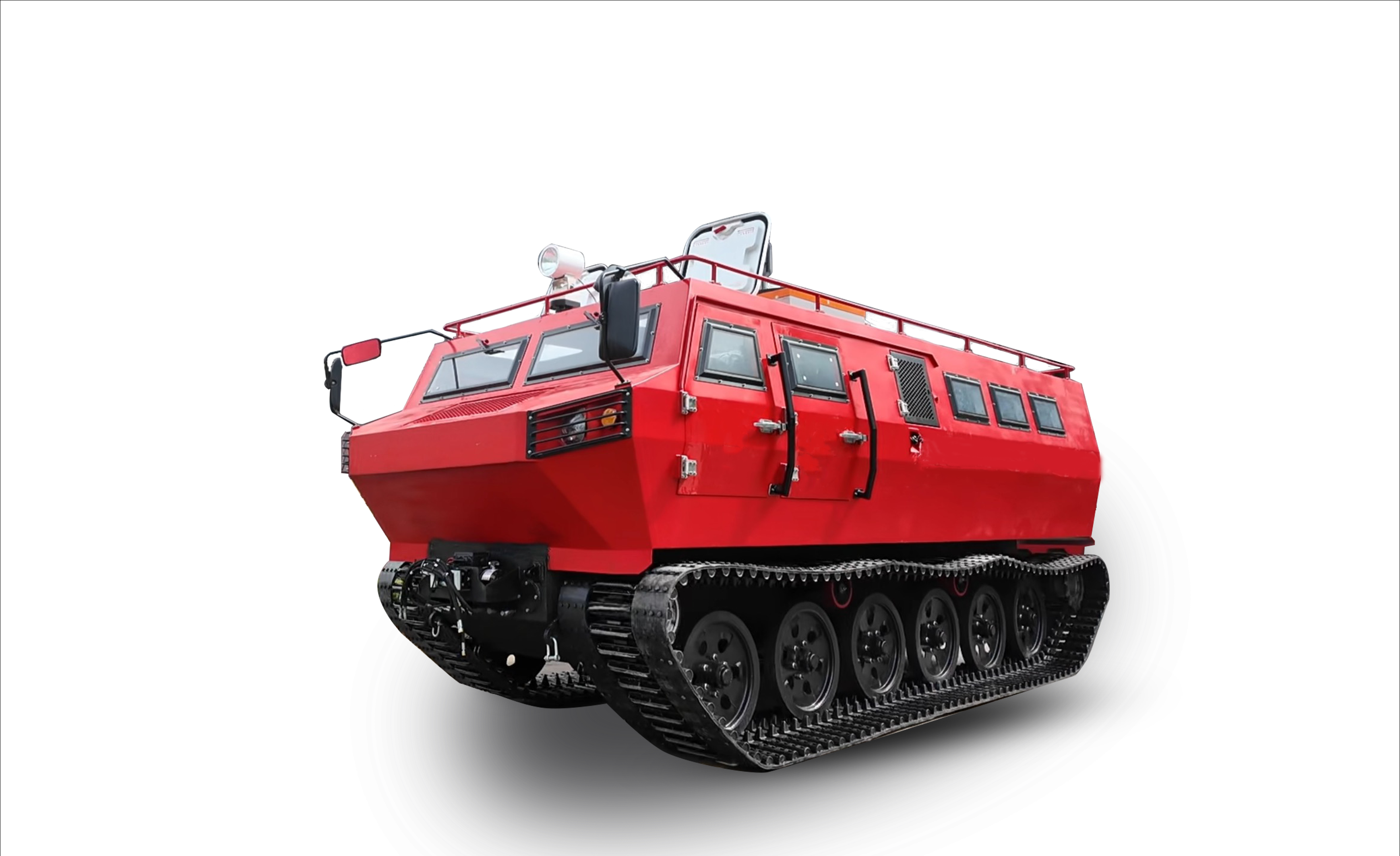
The true essence of fitting parts lies in their role as the foundational bridge between a conventional vehicle and its tracked potential. The many critical components are the track system itself, comprising durable rubber or polymer tracks, drive sprockets, and a robust undercarriage with idler wheels and a suspension frame. However, these systems are inert without the precise fitting parts that enable their attachment. This includes heavy-duty adapter plates that bolt directly to the vehicle’s original axle points, custom-engineered mounting brackets, and reinforced subframes that distribute the immense forces generated by tracked operation. High-strength fasteners and specialized pivot kits are equally vital, ensuring the entire assembly moves as a single, cohesive unit without compromising the vehicle’s structural integrity. The quality and precision of these core fitting parts directly dictate the safety, durability, and performance of the conversion, forming the non-negotiable hardware upon which all capability is built.
Why Is Precise Compatibility Paramount?
The value of fitting parts is wholly dependent on their compatibility. This goes far beyond simple bolt patterns; it involves a deep integration with the vehicle's specific make, model, year, weight distribution, and powertrain. Engineers design fitting parts to interface superbly with a vehicle's existing mounting hardpoints and clearance envelopes. Crucially, compatibility also extends to performance matching. Components like custom gearing for the drive sprockets are calibrated to maintain ideal torque and speed ratios with the vehicle's engine and transmission, preventing premature wear or failure. The industry has moved towards comprehensive vehicle-specific kits, which bundle all necessary fitting parts—from major brackets to the last bolt and wiring harness adapter—ensuring a complete and reliable fit. This precision engineering lesss installation challenges and is a primary reason professional installers and serious enthusiasts insist on certified, application-matched fitting parts over generic solutions.
How Do Applications and Trends Shape the Market?
The application of these fitting parts unlocks the tracked vehicle's versatility, enabling modifications for industries ranging from snow removal and agricultural surveying to search-and-rescue and pipeline maintenance. Beyond initial conversion, a vibrant market exists for secondary fitting parts that further specialize the vehicle: accessory mounts for winches and plows, upgraded suspension components for heavier loads, and custom storage solutions. The dominant industry trend, however, is the shift toward transferable systems. Manufacturers are increasingly designing fitting parts and complete track kits to be removable and interchangeable between vehicle models or even brands. This "transfer kit" concept protects owner investment, allowing the significant cost of the track system to be retained and moved to a new vehicle platform. This trend, coupled with a growing emphasis on using corrosion-resistant materials and offering detailed digital installation guides, points to a market maturing around flexibility, sustainability, and user empowerment, ensuring that fitting parts continue to redefine the boundaries of utility vehicle performance.
Fitting parts represent the critical, often overlooked, engineering that makes modern tracked utility vehicles possible. They are the indispensable link that translates a vehicle's power into controlled, all-terrain capability. As demand grows for vehicles that can operate in the world's many challenging environments, the innovation, precision, and adaptability of these components will remain central. The future of this sector lies in smarter, more compatible, and more sustainable fitting parts that continue to push the limits of where utility vehicles can go and what they can achieve.
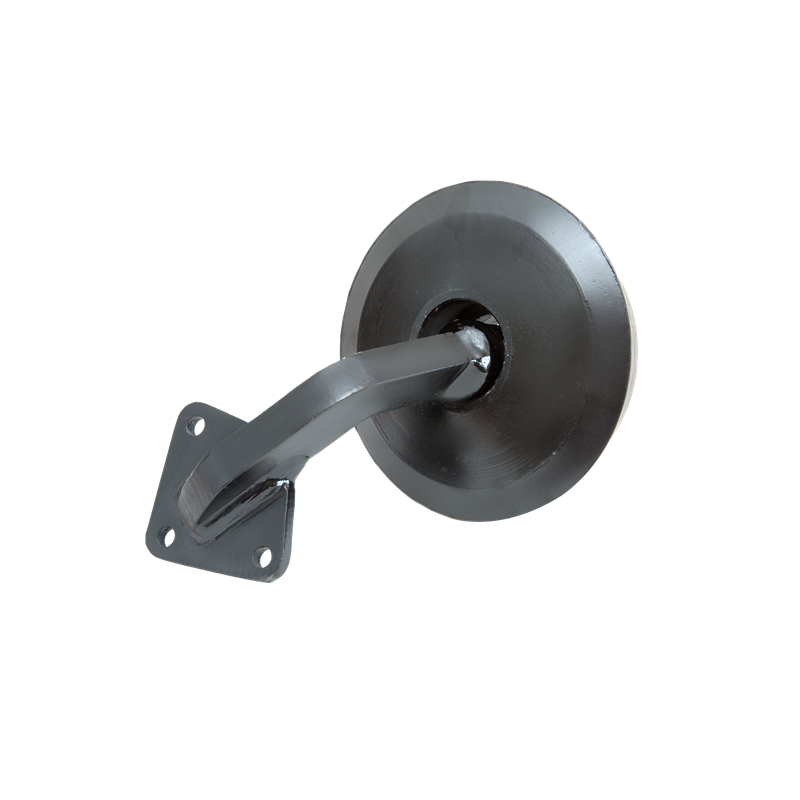
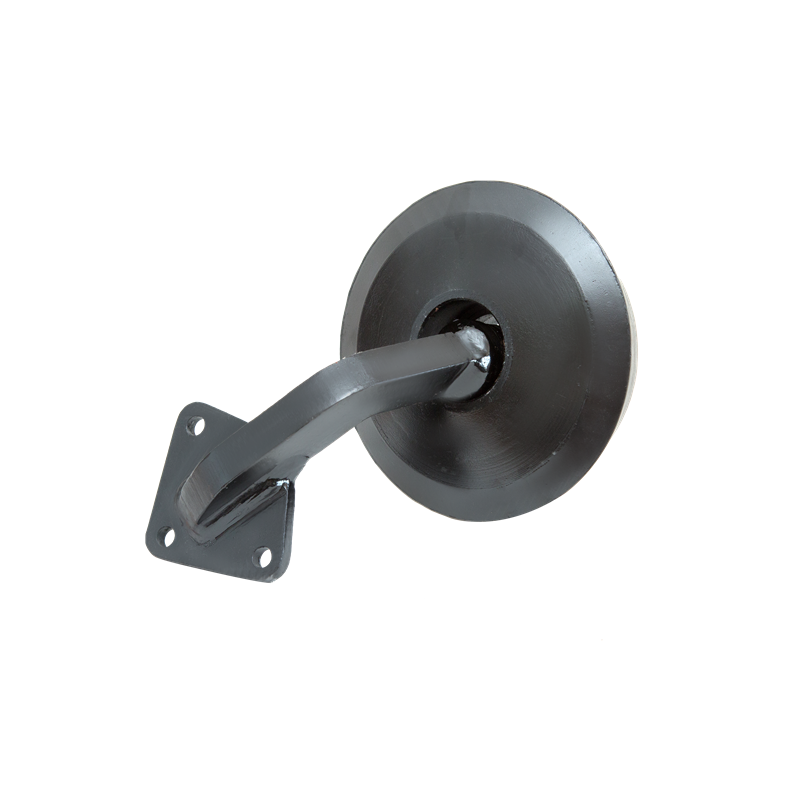
The Assembly Support Wheel from LINHAI HAISDER MACHINERY CO.,LTD is a critical component designed to provide stable auxiliary support and mobility for assembled heavy equipment and machinery. Typically featuring a robust steel hub paired with a durable polyurethane or rubber tire, it offers high load-bearing capacity, shock absorption, and resistance to wear and floor damage. This wheel is engineered for easy integration into frames and structures of industrial carts, agricultural implements, and material handling systems, ensuring smooth rolling, reduced operator effort, and enhanced equipment maneuverability and longevity in demanding work environments.



 浙ICP备2022029871号