Judge the technical status
Jul 29,2021


Jul 29,2021

Jul 29,2021
Xianren Village, Hetou Town, Linhai 317034,Zhejiang,China
+86-13634086588
+86-13634086588
+86-13634086588
A Tracked Carrier is more than an off-road transport machine—it is a safety and productivity upgrade for field teams. In low-traction environments, tracks provide more stable ground contact than wheels, helping crews travel with greater control across mud, snow, loose gravel, and damaged routes. This improves access to remote worksites while reducing delays caused by difficult terrain. For industries where every hour matters, tracked platforms support faster crew movement, steadier equipment delivery, and more predictable daily execution. From utilities and construction to emergency logistics, this category is built for organizations that prioritize both worker safety and operational efficiency in challenging conditions.
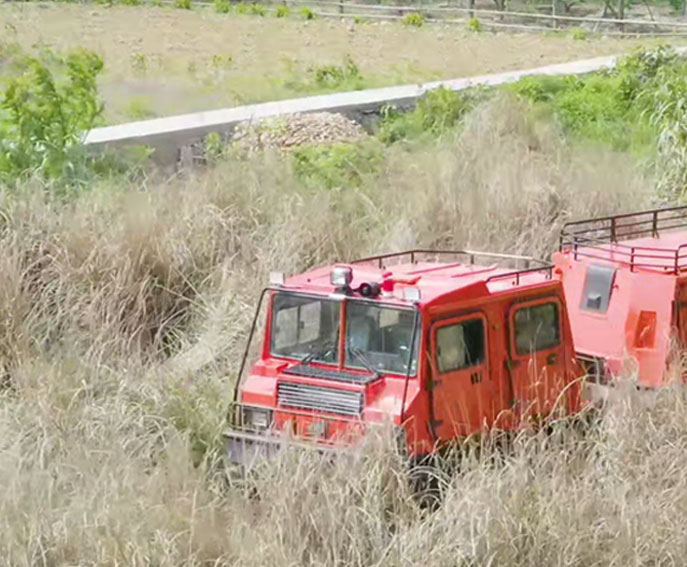

Located in Linhai Zhejiang and founded in 2005
Our company has more than 20 production lines
Located in Linhai Zhejiang and founded in 2005, LIN HAI HAISDER MACHINERY CO.,LTD. is a professional China tracked carriers manufacturers and custom transport vehicles suppliers. Currently we own two models: tracked utility terrain vehicle and 8X8 amphibious all terrain vehicle, products are mainly used in border patrols, forest fire fighting, flood fighting and disaster relief, emergency rescue, agriculture, tourism and many other fields. Besides, customized and modular production services are available. The main products are wholesale tracked carriers, all kinds of lawn mowers, agricultural machinery series transport vehicles and related rubber track series. Products are suitable for variety of complex terrains such as grass ponds, swamps, hills, deserts, snowy roads and mountains due to the convenient and flexible operation , fast maneuvering speed, and strong off-road ability. Welcome to contact us a grand occasion!
In remote operations, safety and output are tightly connected. When crews struggle to reach a site, exposure time increases, fatigue rises, and task quality drops. That is why many organizations are rethinking mobility through an HSE lens. The Tracked Carrier is becoming central to that shift, not because it looks rugged, but because it helps teams work with more control in unpredictable ground conditions.
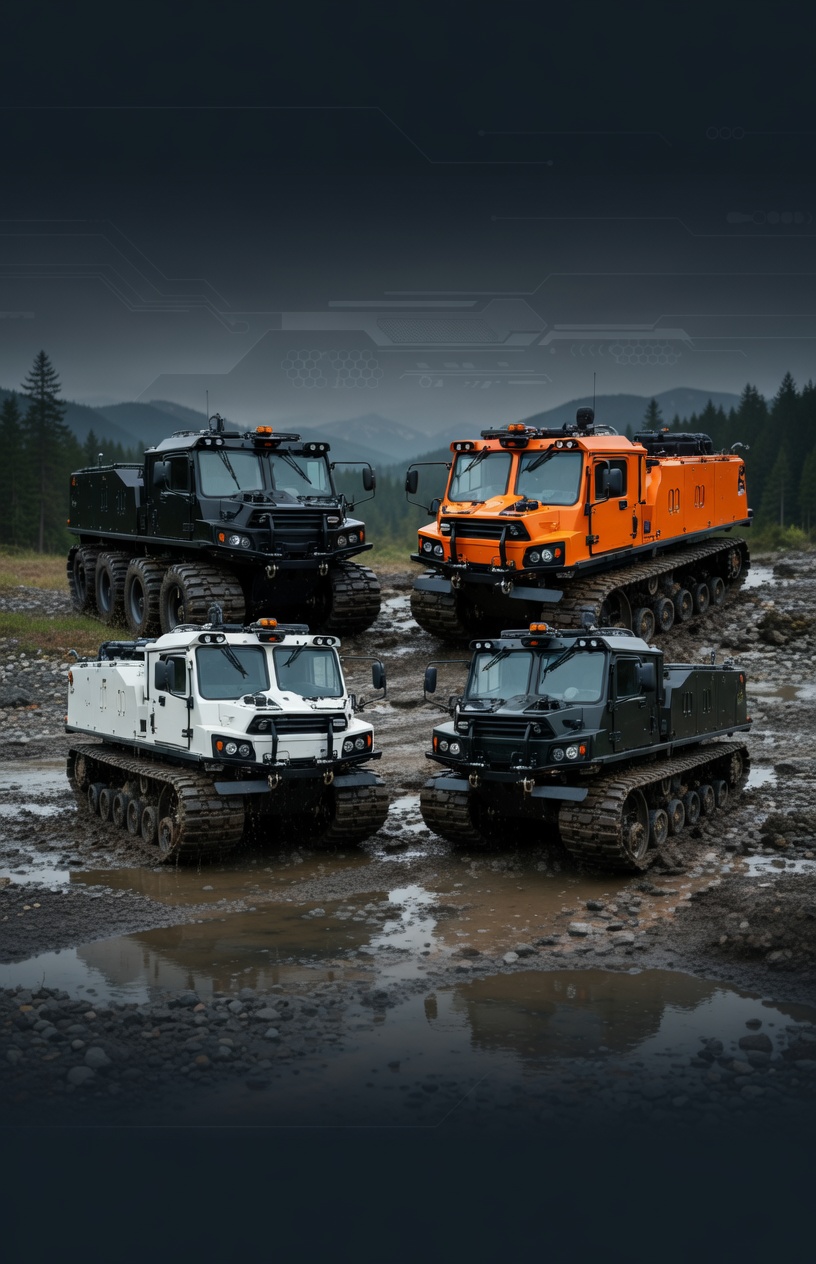
Traditional safety programs usually center on PPE, standard operating procedures, and workforce training—and those pillars still matter. But in real field operations, route conditions are now a major safety variable. When a wheel-based vehicle starts slipping on soft or broken ground, risk escalates fast: teams arrive behind schedule, recovery work becomes manual, and sudden detours add stress to both people and planning.
A Tracked Carrier helps control that exposure. By maintaining steadier grip and more predictable travel on unstable terrain, it reduces the chance of disruption at the worst possible moment. The practical result is fewer stop-and-recover events and a safer, more controlled workflow from dispatch to jobsite.
People usually judge productivity by what happens on site, but the day's output is shaped long before work begins. If a crew reaches location late, fatigued, or missing key gear because the route failed, the shift starts at a disadvantage and rarely fully recovers.
That's where tracked transport makes a measurable difference. It helps teams arrive with better timing and better preparation by delivering:
In weather-driven operations, where usable work windows are short, that reliability can decide whether the day is productive or lost.
On demanding terrain, risk rises with every unnecessary minute spent on unstable ground. The main advantage of a Tracked Carrier is that it keeps operations moving across mud, snow, loose soil, and damaged paths, helping teams clear hazardous sections faster.
Typical safety improvements include:
For HSE teams, this supports safer execution, fewer preventable setbacks, and stronger control over day-to-day field risk.
The strongest adoption is happening in sectors where access risk directly affects people, compliance, and service continuity:
In these settings, reliable mobility is no longer treated as convenience—it is treated as a safety control.
A well-planned Tracked Carrier approach delivers dual value: it improves workforce safety while sustaining output. When grip conditions, weather patterns, and route stability shift unexpectedly, tracked vehicles offer more predictable access, helping crews move with lower risk and fewer interruptions.
For companies looking past temporary fixes, this is a practical long-term move—one that strengthens field consistency, protects schedules, and supports better operational results through 2026 and the years ahead.
Tel: +86-13634086588
WhatsApp: +86-13634086588
E-mail: [email protected]
Add: Xianren Village, Hetou Town, Linhai 317034,Zhejiang,China
Product Center
Tracked Utility Terrain Vehicle 8X8 Amphibious All Terrain Vehicle Single-section tracked all-terrain troop transport vehicle 4x4 Wheeled All-Terrain Vehicle Firefighting Motorcycle


Copyright © HAISHIDA EMERGENCY EQUIPMENT(ZHEJIANG) CO.,LTD All rights reserved.

 浙ICP备2022029871号